REVIEW · ROMANIA
Bucovina Painted Monasteries Day Tour
Book on Viator →Operated by AxaTravel · Bookable on Viator
Painted churches, tight timing, real stories.
This Bucovina day trip is built for seeing more than pretty walls: your English-speaking guide Sebastian (driver too) points out the symbolism in the frescoes so your photos make sense. I also like the small group setup (up to 7 people), which keeps the pace friendly and makes it easier to ask questions.
You’ll hit the big names without feeling rushed between towns—Humor, Voronet, Moldovița, Sucevița—and you’ll also get countryside views plus a lunch stop near Palma Pass. One consideration: entrance fees are not included, and each monastery requires cash only, so come ready with Romanian lei.
In This Review
- Key things to know before you go
- Bucovina in one day: what this tour does well
- Meeting point and timing that keep the day calm
- The core route: Humor, Voronet, Moldovița, Sucevița
- Humor Monastery: the Devil with a face and a theme
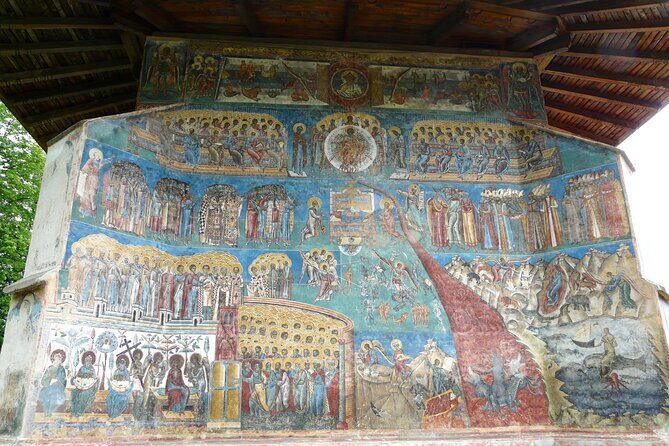
- Manastirea Voronet: Voronet blue and the Last Judgment focus
- Moldovița Monastery: Siege of Constantinople with Christians winning
- Sucevița Monastery: a fortress feel plus standout iconography
- Palma Pass lunch stop: where the day gets a breather
- Marginea black pottery: the short stop that adds real craft
- Price and value: what you’re paying for
- Who this tour fits best (and who might pass)
- Practical tips that make the day smoother
- Guides and the difference good storytelling makes
- Should you book this Bucovina Painted Monasteries Day Tour?
- FAQ
- What time does the tour start?
- Where is the meeting point?
- Is pickup available?
- Is the tour in English?
- How long is the tour?
- Are monastery entrance fees included?
- How much are the total entrance fees?
- Is lunch included?
- What should I wear?
Key things to know before you go
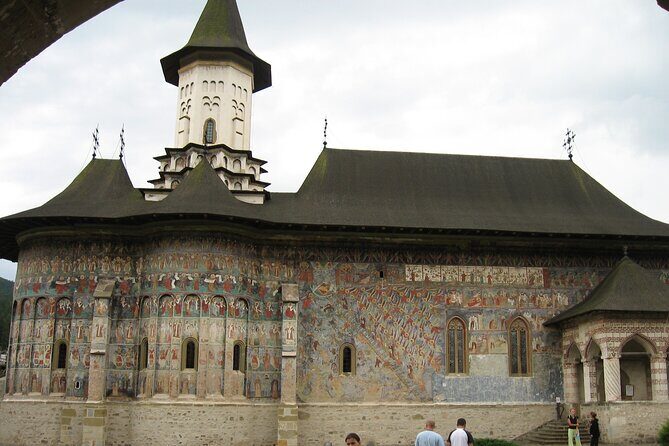
- Voronet’s famous blue: You’ll see why people call it Voronet blue, tied to lapis lazuli pigments.
- Frescoes with meaning, not just art: The guide’s explanations help you spot stories and symbols across the churches.
- A fortress-like Sucevița: This site is described as larger and more defensive in feel, with standout scenes in the burial chamber.
- Moldovița’s Siege of Constantinople scene: Expect a striking battlefield-style narrative focused on Christians winning.
- Marginea black pottery workshops: A short stop to watch craftsmen making renowned black pottery.
- Cash-only monastery fees: Plan for 10 Lei/RON per monastery, 4 monasteries total, payable in cash only.
Bucovina in one day: what this tour does well
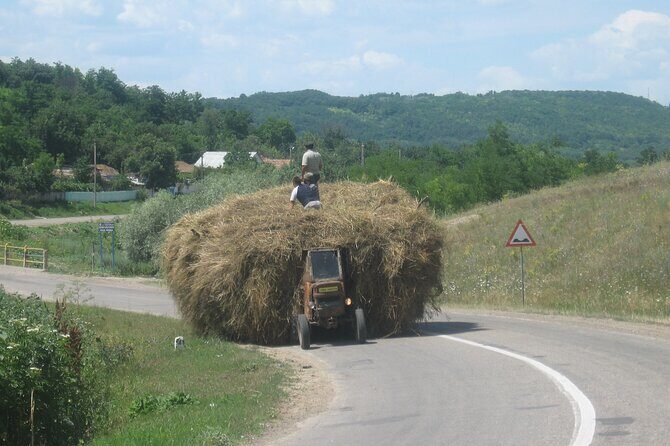
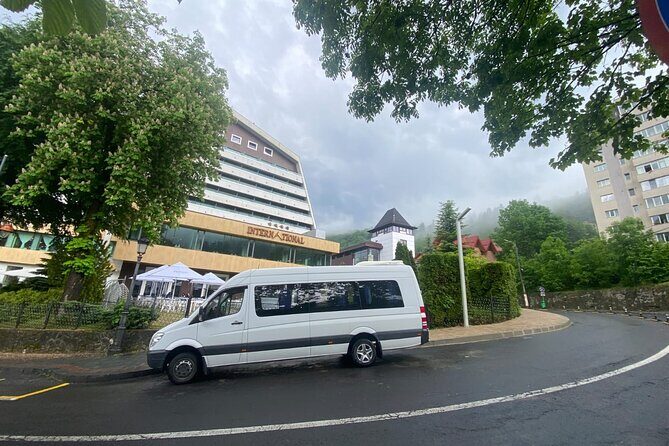
If you want one practical day to cover Romania’s painted monasteries, this is a solid way to do it. You start in Suceava at McDonald’s (Strada Ana Ipătescu), and you return to the same meeting point when the day wraps. The drive is handled by the guide/driver in an air-conditioned vehicle, which matters when the weather is warm or the roads get slow.
What I like most is the balance between time and attention. Each monastery stop is long enough to actually look—about 45 minutes at most sites—while the guide keeps you moving to the next place before the day turns into a photo-only blur. Also, the group limit (max 7) makes this feel more personal than the big-bus model.
You can also read our reviews of more tours and experiences in Romania.
Meeting point and timing that keep the day calm
The start time is 9:00 am, and you’ll be picked up if you request it from Suceava train station, bus station, or other places in Suceava city or Gura Humorului town. The driver waits with a sign showing the AXA Travel name, so you’re not left chasing down who’s who.
This kind of day tour works best when you treat it like a schedule: you’re going to spend your energy on looking, not on figuring out transport. With 7–8 hours total, you’ll get five major stops plus a pottery visit—enough variety to feel like you covered something real without needing an extra day.
Tip: arrive at the meeting point a few minutes early. Not because you’re rushing, but because a smooth start often means better timing at the monasteries.
The core route: Humor, Voronet, Moldovița, Sucevița
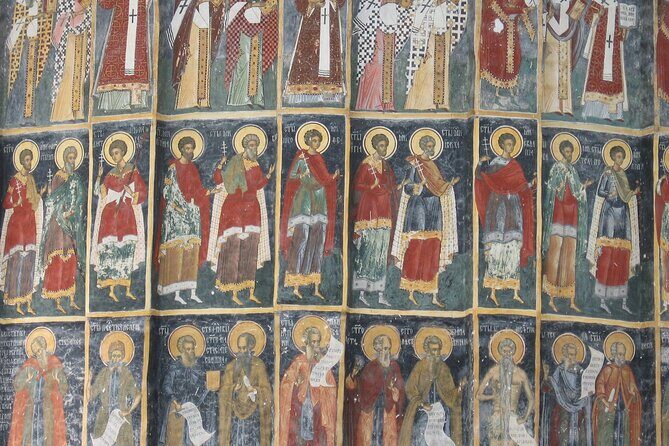
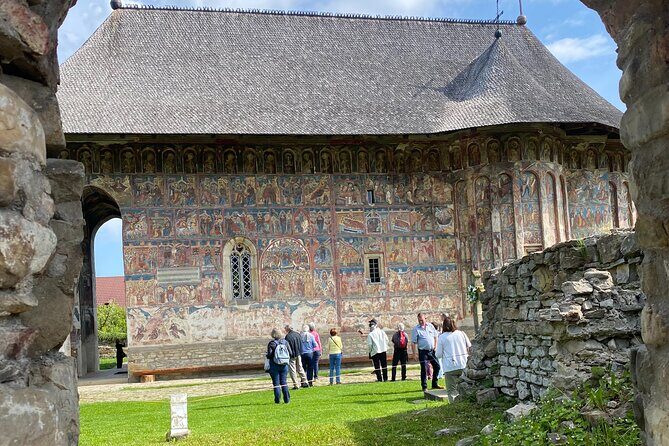
This is the classic painted-monasteries arc in Bucovina, with each site giving you a different style and storyline. The churches are often similar at a glance—lots of fresco work—but the details are where the day becomes rewarding.
The big advantage of having a guide is that you stop treating frescoes like decoration and start reading them like narratives. People tend to notice the colors first; your guide helps you connect those colors to religious scenes, local symbolism, and the way each monastery communicates its message.
Humor Monastery: the Devil with a face and a theme
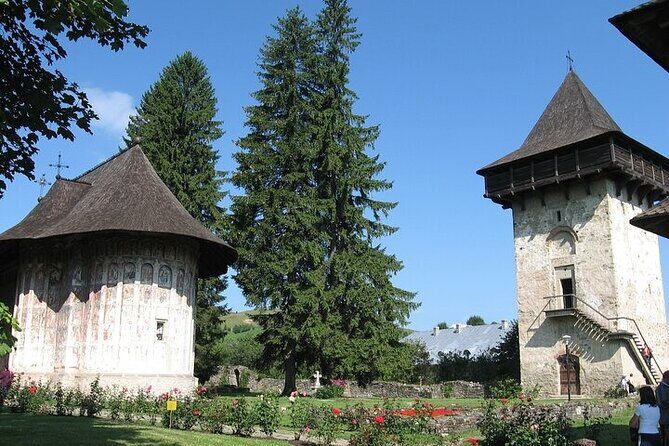
Humor Monastery is smaller than the other complexes, and that helps you understand it faster. You’ll arrive in a setting of forested hills, and then the fresco focus becomes the star. The standout detail here is the depiction of the Devil as the Scarlet Woman—an unusual theme that grabs your attention immediately.
Because it’s smaller, 45 minutes is enough to see the main painted areas and absorb what you’re looking at without feeling stuck in one room. If you’re the type who likes to understand why something is portrayed in a certain way (not just what it looks like), this stop is a great opener.
Drawback to consider: entrance fees are not included, and this stop still has an admission payment you’ll handle in cash.
Manastirea Voronet: Voronet blue and the Last Judgment focus
Voronet is the headline for many people, and it earns its reputation. The monastery dates to 1488, and the famous color is called Voronet blue—associated with lapis lazuli. When you see it in person, it’s easier to understand why people build comparisons like the Sistine Chapel of the Orient. The guide’s explanations here matter, because the fresco story is not only about art style; it’s about what the scenes communicate.
The key painting to look for is the Last Judgment fresco. You’ll have about an hour at this site, which is a good amount of time for slow looking. There’s also a large souvenir area at Voronet, so if you’re trying to stay focused on the art, it helps to plan how you’ll move through the space.
Practical note: there’s shopping nearby, so it’s an easy moment to buy small gifts without breaking the flow of the day.
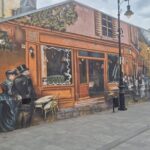
Moldovița Monastery: Siege of Constantinople with Christians winning
Moldovița (1532) brings a different kind of drama. The focal point is a depiction of the Siege of Constantinople, with Christians winning. It’s the kind of scene that’s easy to recognize even before you fully read it, because the narrative feels like a battle story.
This stop is around 45 minutes, which gives you enough time to see the main fresco themes and let the guide connect what you’re seeing to the broader meaning. If you’re interested in how religious art tells historical or moral stories, you’ll likely enjoy this one.
Sucevița Monastery: a fortress feel plus standout iconography
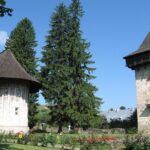
Sucevița (1586) is the big one among this set. You’ll be looking at the largest monastery in the group, and the feel is more fortress-like than “light and airy.” That difference changes the vibe right away when you step in and start scanning the painted areas.
Two pieces are especially highlighted: Moses’ Life in the burial chamber, and the Ladder of John Climax fresco, often considered one of the best at Sucevița. Your time here is about 45 minutes, so prioritize the areas your guide points out first—then you can circle back for extra photos after you’ve got the context.
Palma Pass lunch stop: where the day gets a breather
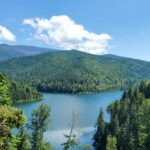
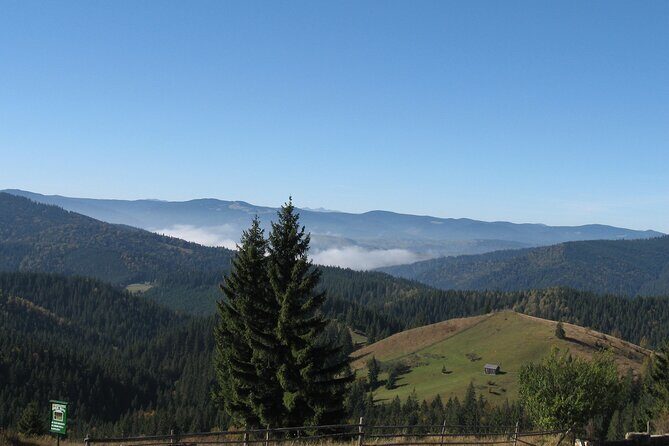
Between the churches, the tour includes a stop in Pasul Palma Village, at the Ciumarna (Palma) Pass around 1100 meters. This is your chance to stretch, use the restroom, and grab lunch.
The info says the stop is for a grill restaurant or picnic, and the time is about 45 minutes. The key value here isn’t just food—it’s a mental reset. After hours of fresco details, it’s nice to shift from “look closely” mode to “eat, look at the views, and recharge.”
Practical tip: if you’re sensitive to long drives, eat earlier rather than later. It reduces the risk of feeling rushed when you’re ready to get back on the road.
Marginea black pottery: the short stop that adds real craft
After Sucevița, you’ll get a quick stop at Ceramica neagra in Marginea. This area is one of Romania’s important pottery centers, and you’ll see workshops where craftsmen make the renowned black pottery.
The time here is brief—about 10 minutes—so don’t expect a full demo cycle. What you will get is a snapshot: tools, process, and the look of the finished work. It’s a nice change from religious art, and it gives the day a more human “hands-on craft” angle.
Price and value: what you’re paying for
The tour is priced at $102.58 per person and runs about 7–8 hours. The included basics are the big ones that make this easy: private transportation, an air-conditioned vehicle, parking fees, and an English-speaking guide who also drives.
Entrance fees are the main extra cost. The total is 40 Lei/RON per person (10 Lei/RON for each monastery), and it’s only payable in cash. That sounds like a hassle, but the cost itself is relatively small compared with the tour price, and you’re not paying a “hidden fee” style increase—you’re getting an honest, specific number.
Here’s how I think about the value:
- If you want to do multiple monasteries in one day, you’re paying mostly for transport time, timing, and a guide who explains what you’re seeing.
- The cash-only admissions are the one part you can’t ignore, so plan ahead to avoid stress.
If you already know your way around and you don’t care about explanations, self-guided might cost less. But if you want the art to mean something, paying for the guide is the point.
Who this tour fits best (and who might pass)
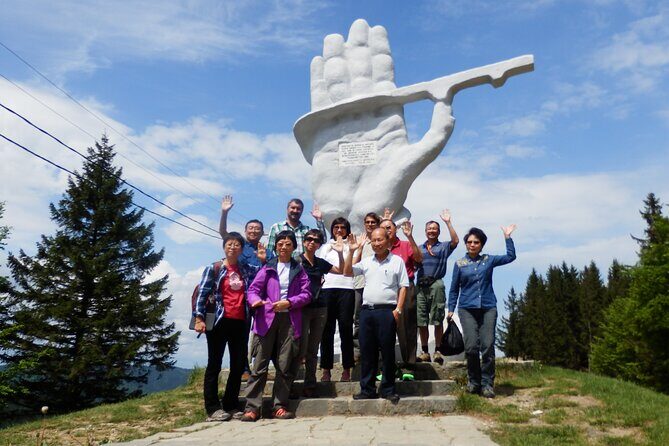
This is a great choice if you want a structured day with minimal fuss. You’ll likely love it if you:
- enjoy fresco art and want help reading the symbolism,
- prefer not to coordinate taxis/buses between remote sites,
- value an English guide who tells stories rather than reciting dates.
It may be less ideal if:
- you dislike cash-only payments for attractions,
- you want long free time at each site instead of a tight, efficient route,
- you’re not comfortable meeting the dress expectation (no shorts or sleeveless t-shirts).
Practical tips that make the day smoother
Bring cash in Romanian lei for monastery entrances. The tour is explicit: pay in cash only, 10 Lei/RON per monastery.
Dress for churches. You’ll want clothing that passes the monasteries’ decent dress expectations—no shorts and no sleeveless t-shirts.
Wear shoes you can trust for walking inside and around historic buildings. You’ll move between sites during a long day, so comfort matters.
Finally, set your expectations: you’ll see a lot. You’re not touring one place for half the day. Use the guide’s first guidance as your roadmap, then spend your time looking.
Guides and the difference good storytelling makes
Names you may see linked to this experience include Sebastian, and other guides mentioned in connection with high satisfaction include Andrei and Marcus. The consistent theme is the same: the guide connects what you’re viewing to symbolism and meaning, not just exterior architecture or general facts.
That’s why people rate this tour so highly. In this region, the painted churches can look similar on first glance. A good guide turns the artwork into a story you can follow—and then your memories last longer than just the best Instagram angles.
Should you book this Bucovina Painted Monasteries Day Tour?
I’d book it if you want an efficient, well-organized day that turns the monasteries into more than photo stops. The combination of private transport, an English-speaking guide who explains the fresco symbolism, and time at each major site is the right mix for a single-day visit to North Romania.
I’d think twice only if you really don’t want cash-only entrance fees or you prefer lots of unstructured time at one church. If you can handle the dress code and come prepared with the 40 Lei total in cash, this is a strong value way to see Bucovina’s painted heritage in one day.
FAQ
What time does the tour start?
It starts at 9:00 am.
Where is the meeting point?
The meeting point is McDonald’s nr. 10 A, Strada Ana Ipătescu 10A, Suceava 720026, Romania. The tour ends back at the meeting point.
Is pickup available?
Yes. Pickup is offered upon request from the train station, bus station, or other places indicated in Suceava city or Gura Humorului town. The driver waits with a sign showing AXA Travel.
Is the tour in English?
Yes. It includes an English-speaking guide in person (the guide also drives).
How long is the tour?
The duration is about 7 to 8 hours.
Are monastery entrance fees included?
No. Entrance fees are not included. Each monastery requires 10 Lei/RON per person, paid only in cash.
How much are the total entrance fees?
The total is 40 Lei per person, which is noted as equivalent to about €8 per person.
Is lunch included?
Lunch time is included as a stop at Pasul Palma Village (about 45 minutes) at a grill restaurant or for a picnic, but the cost of lunch itself is not stated as included.
What should I wear?
You’ll need decent clothing for monasteries. The guidance is no shorts or sleeveless t-shirts.