REVIEW · BUCHAREST
Dracula beyond the legend: 8-day private tour in Transilvania
Book on Viator →Operated by Rolandia · Bookable on Viator
Vlad Tepes is the real spooky anchor. This 8-day route takes you past the movie-myth of Dracula and into the places tied to Vlad the Impaler’s world, from Bucharest’s People’s House to burial legends at Snagov. I like how the story keeps landing on actual historical sites, not just set dressing, and how the guide frames what’s known vs what’s legend.
My other big favorite is the built-in comfort and value: you get 7 nights in centrally located hotels with breakfast, plus an English guide, modern transport, and entrance fees for the included sights. You’re not stuck doing math all day or playing ticket scavenger hunt. The one consideration is the pace: it’s a lot of medieval stone and a lot of road time, so bring moderate fitness for long days and expect that meals outside the plan are on you.
In This Review
- Key highlights at a glance
- Dracula beyond the legend: what this trip does differently
- Price and value: what you’re paying for (and what you avoid paying for)
- How the Bucharest start sets your expectations
- Day 1 in Bucharest: Palace of Parliament and Old Town walking time
- Day 2 Târgoviște and Curtea de Argeș: medieval courts and a monastery legend
- Day 2 road break: Transfăgărășan and the Valea cu Pești stop
- Day 3 Transfăgărășan views and Sibiu: ASTRA Museum and Piata Mare
- Day 4 Corvin Castle and Densuș Church: the medieval Gothic hit
- Day 5 Alba Iulia and Salina Turda: big fortification walls then an underground play day
- Day 6 Saxon fortified church and UNESCO Sighișoara medieval streets
- Day 7 Brașov, Bran, and the Snagov burial story: Dracula’s big finale
- Day 8 departure from Old Town to the airport
- Hotels, guide support, and the feel of a small-group private tour
- Who should book this Dracula beyond the legend tour
- Should you book this 8-day private Transylvania tour?
- FAQ
- What is the duration and start time of this tour?
- Where does the tour start, and do you offer pickup?
- What language is the tour guide?
- What does the price include?
- What is not included in the tour price?
- Are entrance fees included?
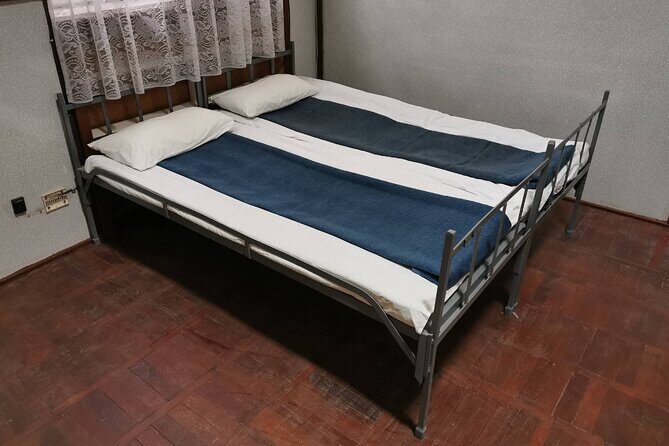
- What are the hotel arrangements like?
- How big is the group?
- What is the cancellation policy?
Key highlights at a glance
- Vlad Tepes linked stops across Wallachia and Transylvania, with legends explained clearly
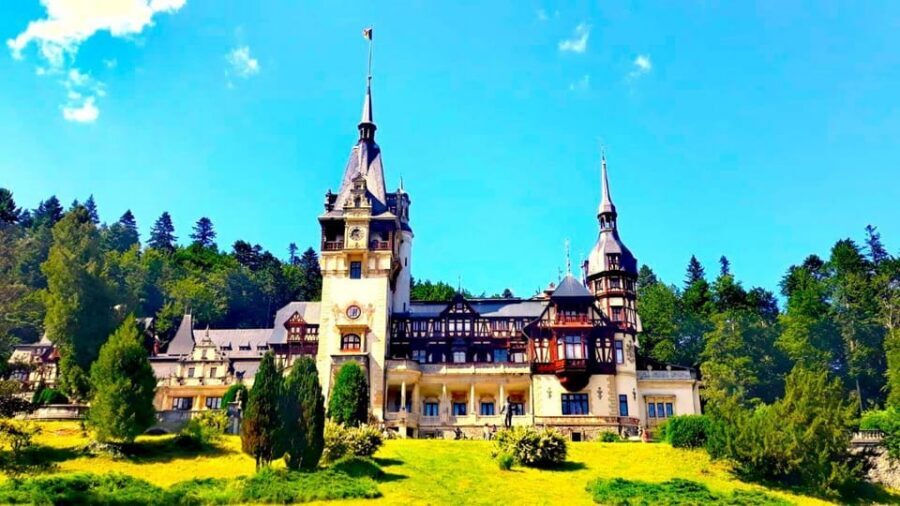
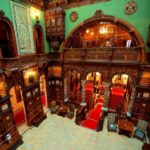
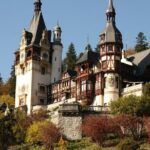
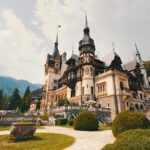
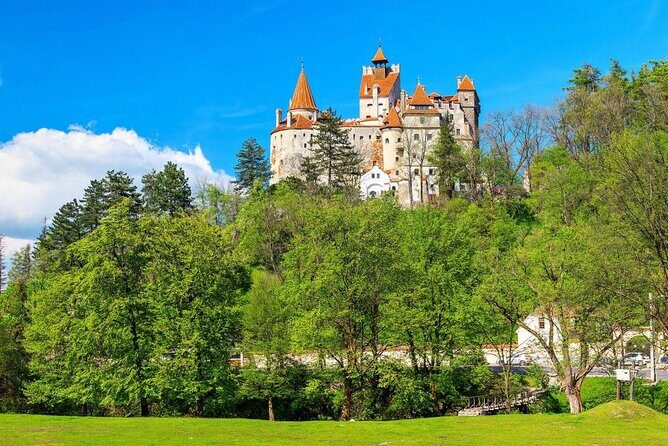
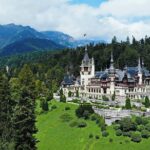
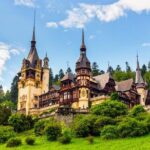
- Bran and Peles are part of the big-castle focus of this route
- Sighișoara UNESCO citadel: Europe’s only inhabited medieval fortress (as presented on the tour)
- Sibiu ASTRA Museum carriage ride with traditional buildings and objects
- Salina Turda: an underground salt mine with activities like a boat ride and Ferris wheel
- Small group size with professional English guidance (maximum 8 travelers)
Dracula beyond the legend: what this trip does differently
Most Dracula trips feel like costume tourism. This one leans the other way. The tour is built around Vlad Tepes Voivod and how his reputation sparked the Dracula idea, so you spend time in places that connect to his political center, his enemies, and the survival stories that grew after him.
That matters because Romania is easy to understand when you see the geography behind the myths. Wallachia and Transylvania were not just “vampire lands.” They were borderlands where power shifted, towns were attacked, and fortresses mattered. When you visit places like Târgoviște and Sighișoara, the scale of that history clicks into place fast.
Also, the emphasis isn’t only on horror vibes. Expect a real mix: Gothic churches, Renaissance-Gothic castles, Vauban-style fortifications, UNESCO streets, and a surprisingly fun underground day at a salt mine.
You can also read our reviews of more private tours in Bucharest

Price and value: what you’re paying for (and what you avoid paying for)
At about $3,113.31 per person, this isn’t a budget day-trip kind of tour. But you are buying a lot of planning, logistics, and paid access.
Here’s what the price effectively covers:
- A professional English-speaking guide
- Modern vehicle transport and airport pick-up and drop-off
- 7 nights in centrally located hotels (breakfast included)
- Entrance fees for the scheduled sights
- Guided visits plus a carriage ride in Sibiu
What you’re likely paying separately:
- Health insurance
- Airfare
- Meals (other than what’s included via the hotel breakfast and any meals not explicitly stated)
- Entrance fees for anything outside the listed program
If you’re the kind of traveler who hates “nickel and dime” days, this package style can feel fair. You’ll still decide what to eat, but the big barriers—driving, ticket lines, and “what do we do next?”—are handled.
How the Bucharest start sets your expectations
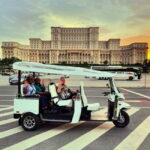
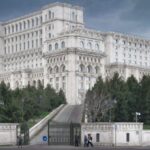
The tour begins in Bucharest with pickup from any hotel. Start time is 9:00 am, and the first stop is the Palace of Parliament, also called Casa Poporului. This is the world’s largest administrative building, built between 1984 and 1997, and it’s now home to Romania’s Parliament. Even if you don’t love Soviet-era architecture, it helps you understand why Bucharest feels like a city where eras overlap hard.
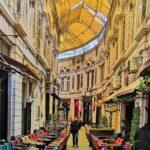
From there, you move on to Old Town (Centrul Vechi) for a walking tour. You’ll see Curtea Veche, described as the first royal court of Bucharest and linked to Vlad Tepes. It’s not just sightseeing. It’s a quick way to orient you to where power sat long before the skyline looked like it does now.
This opening is useful because the rest of the trip keeps returning to the idea of centers of authority—where rulers lived, where they were threatened, and how cities defended themselves.
Day 1 in Bucharest: Palace of Parliament and Old Town walking time
You get about an hour at the Palace of Parliament with an admission ticket included. Plan for a guided pace inside, then a slower rhythm outdoors in Old Town.
What I like about this start:
- It breaks the trip into two moods: political monument first, then a human-scale old neighborhood
- It gives you a Vlad anchor before you leave the city
Potential drawback:
- Bucharest walking can feel fast if the day is warm or if you’re sensitive to crowds. Wear supportive shoes.
Day 2 Târgoviște and Curtea de Argeș: medieval courts and a monastery legend
Day two pushes you toward Târgoviște, a historic Wallachia capital. You visit the Princely Church and the Chindia Tower, with the story placed in a timeline that includes Ottoman pressure and Vlad Tepes’ role. You’ll also hear about how the Royal court shifted to Târgoviște in the 1400s and the city’s repeated suffering during sieges.
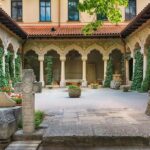
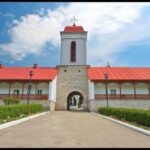
Then you head to Curtea de Argeș Monastery (built between 1512 and 1517). This stop stands out because it’s famous for the legend of Manole, tied to the idea that you can’t create something everlasting without sacrifice. The monastery is also noted as a major historical monument and a burial place for members of Romania’s royal house.
Why this works for a Dracula-themed trip:
- You see how myths attach themselves to real stone and real power.
- You also learn that Romanian legends often carry a lesson, not just a scare.

Day 2 road break: Transfăgărășan and the Valea cu Pești stop
After Curtea de Argeș, you get a highway moment. The tour goes toward Transfăgărășan (Transfăgărășan Highway), with time described around Valea cu Pești, a hotel on the road. The next day’s scenery gets the big spotlight, but this in-between stop helps you transition from court history to mountain geography.
This matters because the Carpathians aren’t just pretty. Roads through them shape who could reach whom, and castles are built with that reality in mind.
Day 3 Transfăgărășan views and Sibiu: ASTRA Museum and Piata Mare
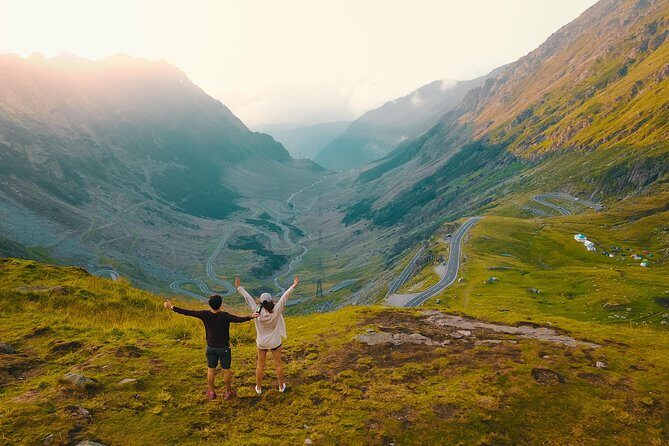
Day three starts with the scenic payoff. You’ll travel on Transfăgărășan, which passes the Southern Carpathians through the Făgăraș mountains, reaching heights of 2042 meters. This is a day where photos make sense, but so does slowing down for once. Mountain air and wide viewpoints change the mood after several “inside church” stops.
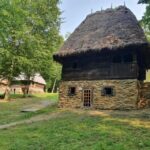
Next is ASTRA Museum in Sibiu, where you’ll take a ride with a wooden carriage. The museum is described as home to over 300 traditional buildings and thousands of household objects. If you only know Romania through castle posters, this stop provides the everyday context: rural life, trade, and the crafts that survived changing rulers.
You then walk Piata Mare (Big Square) and see key landmarks such as the Brukenthal Museum, the Holy Trinity Roman Catholic Cathedral, and Huet Square with its Evangelical Church. You also get a few hours of free time in the city center.
My advice here: use the free time to eat locally and just wander. Sibiu is the kind of old town where a slow loop around squares and streets gives you the best “I get it now” moment.
Day 4 Corvin Castle and Densuș Church: the medieval Gothic hit
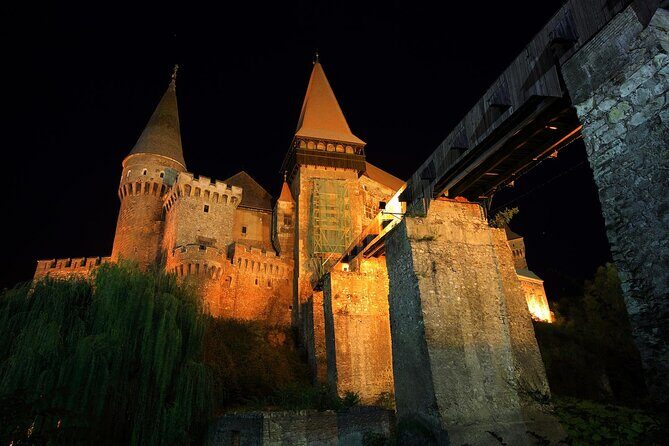
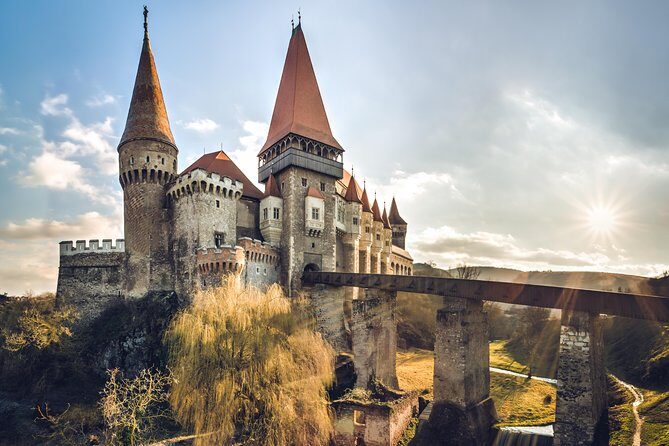
Day four opens at Castelul Corvinilor (Hunyadi Castle) in Hunedoara county. The tour describes it as one of the largest medieval castles in Europe with Renaissance-Gothic architecture, tall towers, bastions, a moat, and an inner courtyard.
A legend says this is where Vlad the Impaler was imprisoned for 7 years. Whether you treat the legend literally or not, the castle’s dramatic design supports the Dracula atmosphere better than most theme-stop facades.
Then you go to Densuș Church in the village of Densuș. It’s described as one of the oldest Romanian churches still standing, with construction placed sometime in the 7th century and murals dated to the 15th century. One standout detail: murals depicting Jesus in traditional Romanian clothing. There are also two hypotheses mentioned on the tour—one that the church may have begun as a pagan temple, and another that it could have served as a mausoleum to the Roman general Longinus Maximus.
If you’re wondering how this fits a Dracula itinerary, it’s simple: Dracula’s legend is wrapped in centuries of belief, and belief leaves marks in architecture, murals, and how communities explain the past.
Day 5 Alba Iulia and Salina Turda: big fortification walls then an underground play day
Day five combines serious defensive architecture with a fun, almost unexpected, underground experience.
First is Cetatea Alba Iulia, home to the Alba Carolina Citadel, built between 1715 and 1738. It’s described as the largest medieval citadel in Romania, and the tour also notes earlier fortifications on the site: the Roman Castle of Legio XIII Gemina and the Bălgrad Medieval Citadel. You’ll also hear how the fortification system is associated with Prince Eugene of Savoy and the Vauban bastion style within the Habsburg defense strategy.
Then comes Salina Turda, introduced as the center of the earth through the salt deposits of Transylvania. Mining salt here goes back centuries, with a first mention in 1075. Today the Turda Salt Mine is turned into an underground attraction with mini-golf, ping pong, bowling, a Ferris wheel, and options like a boat ride on the underground lake.
This is a smart contrast day. After castles and churches, a “let off steam” underground stop gives your feet a break and keeps energy up for the next Saxon and medieval-city days.
Day 6 Saxon fortified church and UNESCO Sighișoara medieval streets
Day six leans Saxon and UNESCO.
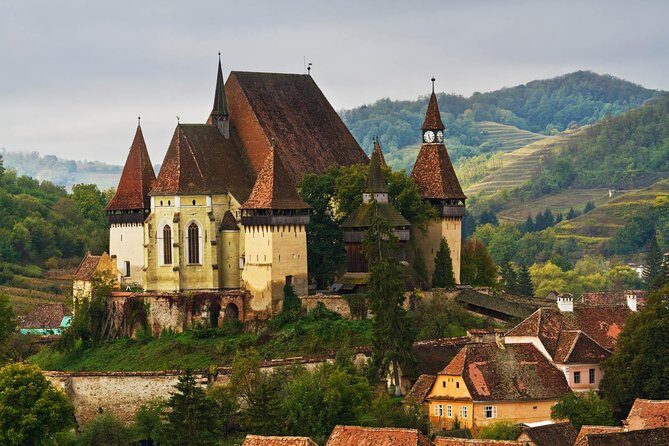
You start with Biertan Fortified Church, near Cluj, in a Saxon village. The church is surrounded by three sets of walls, with Gothic architecture described in a way that makes it feel like a fortress, not just a church. If you liked Corvin Castle’s structure, you’ll appreciate how this one uses walls to control safety and community life.
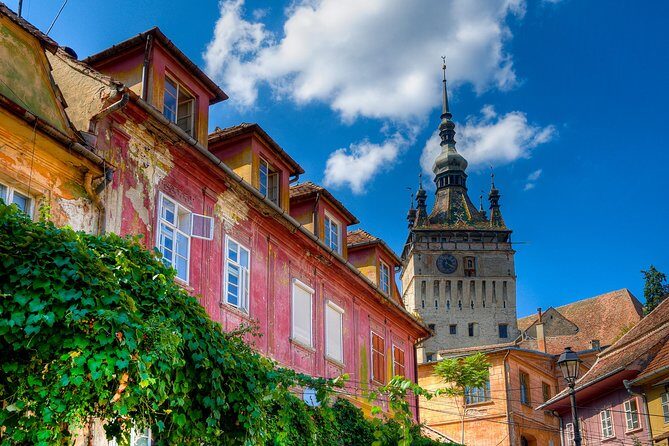
Next is Sighișoara, described as the only inhabited medieval fortress in Europe and a UNESCO World Heritage Site. The tour walks you through the Medieval Citadel on winding cobblestones toward the Clock Tower, the city symbol. Inside the tower area, you’ll find a museum of medieval weapons and a torture chamber.
The Vlad connection is made directly. Sighișoara is described as the birthplace of Vlad the Impaler, and you visit the place where he lived during his early years.
Practical tip: cobblestones can be unforgiving if your shoes don’t have grip. This day is where good footwear pays off.
Day 7 Brașov, Bran, and the Snagov burial story: Dracula’s big finale
Day seven is the “Dracula hits hardest” day, and it’s also one of the easiest to personalize, because two of the stops are visually iconic.
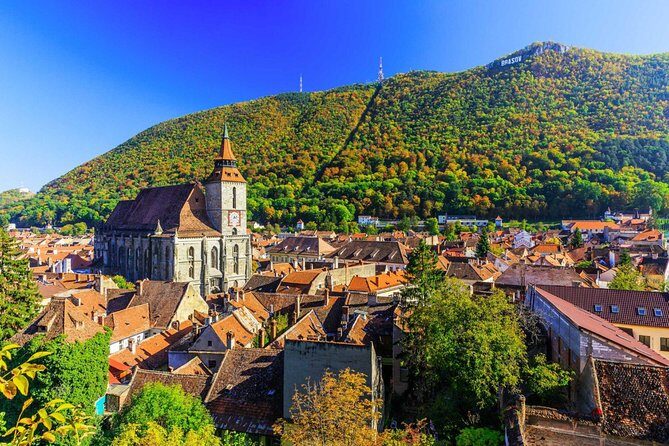
First you visit Brașov for a walking tour: narrow street lanes, Council Square, and the Black Church, a famous Gothic cathedral. Brașov is the right kind of city to reset your eyes before the castle day—old streets, serious cathedral architecture, and plenty to look at on foot.
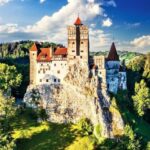
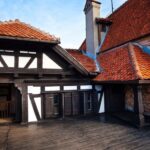
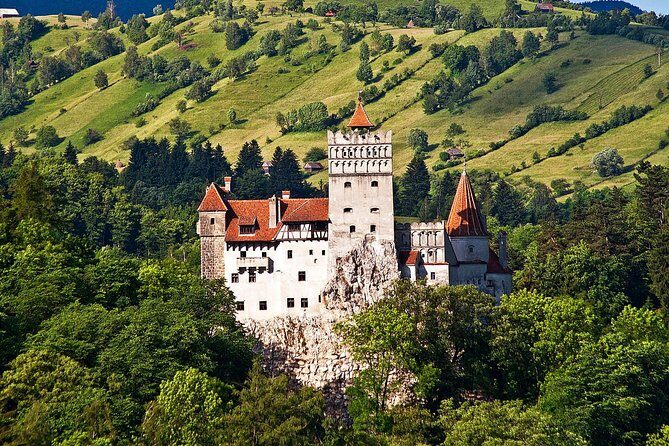
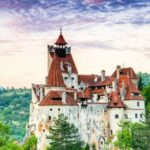
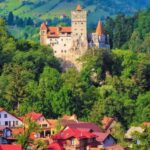
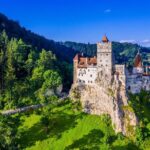
Then you go to Bran Castle, described as Dracula’s Castle. It’s built in the 13th century on a 60-meter cliff, guarding an important access route into Transylvania. The tour treats it as one of Europe’s spookiest medieval castles, and the structure itself helps sell the mood fast.
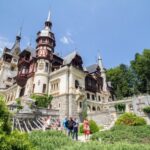
The tour also includes Romania’s big-celebrity castle pair: Bran and Peles are listed as the two most famous castles in the experience’s highlights. Since Peles isn’t described in the day-by-day text you shared, I’d treat this as a heads-up to plan for more castle time during the Brașov–Bran portion.
Finally, you end at Snagov Monastery, described as the burial place of Vlad Tepes. This stop is where legend gets complicated. The burial location is presented as controversial, with a legend that his story reached as far as Napoli in Italy. The most commonly accepted legend in the tour description says rival families kept him from being buried properly, and the monks allegedly stole the prince’s body and buried it in secrecy.
This is a powerful way to finish because it forces you to consider the difference between myth-making and historical certainty. Either way, you’re left with a strong sense of why Dracula became the story it did.
Day 8 departure from Old Town to the airport
On day eight, you take breakfast and then get transferred to the airport based on your flight hours. The program lists an Old Town transfer moment rather than a full sightseeing block, so don’t plan to cram in last-minute extras unless your schedule gives you slack.
Hotels, guide support, and the feel of a small-group private tour
This is set up as a private tour, but with a small maximum group size (maximum 8 travelers). That makes a difference. When you have fewer people, guides can keep you moving without turning every stop into a traffic jam.
One review highlights how well the guide handled the “real travel” parts. The guide named Florin was praised for taking care of the group and making hotel check-ins run smoothly, while also delivering history in a way that kept the experience understandable, not just memorized facts. If you like tours that feel organized behind the scenes, that’s a good sign.
The tour also uses centrally located hotels, which matters more than people think. You’re less dependent on taxis for small needs, and your downtime is less chaotic.
Who should book this Dracula beyond the legend tour
Book this if you want:
- A Vlad Tepes focused Romania trip, not just a Bran photo stop
- A mix of castles, fortified towns, churches, and one fun break at Salina Turda
- An English guide and entrance fees handled, so you spend energy on the places, not the paperwork
Consider another option if:
- You hate long driving days. This route links multiple regions and expects you to handle the road.
- You’re only interested in one famous castle. This experience spreads your time across several key sites.
Should you book this 8-day private Transylvania tour?
I’d book it if your idea of a good Dracula trip includes context—how power worked, why fortresses mattered, and how legends got built on real places. The value feels strongest for people who want guided access to major sights, a small group, and hotels already sorted for you.
If your goal is simply quick spook photos and minimal walking, this might feel like too much. But if you like history with atmosphere—and you can handle a full week of sights—this is one of the more grounded Dracula-style tours you can choose.
FAQ
What is the duration and start time of this tour?
It runs for approximately 8 days, starting at 9:00 am.
Where does the tour start, and do you offer pickup?
The meeting point is in Bucharest, and the tour offers pickup from any hotel in Bucharest.
What language is the tour guide?
The tour includes a professional English-speaking guide.
What does the price include?
Based on the information provided, it includes 7 nights in centrally located hotels with breakfast, transportation in a modern vehicle, airport pick-up and drop-off, entrance fees for the scheduled sights, and a carriage ride in Sibiu.
What is not included in the tour price?
Health insurance, airplane tickets, meals (other than those included in the itinerary), and entrance fees for sights not included in the program are not included.
Are entrance fees included?
Yes, entrance fees are included for the sights in the itinerary.
What are the hotel arrangements like?
The tour includes accommodation for 7 nights in centrally located 4* hotels including breakfast. The offer is per person based on 2 people sharing a double room.
How big is the group?
The tour has a maximum of 8 travelers.
What is the cancellation policy?
Free cancellation is available, and you can cancel up to 24 hours in advance of the experience start time for a full refund.