REVIEW · BUCHAREST
Bucovina Painted Monasteries & Transylvania Tour: 4-Day Private
Book on Viator →Operated by Crafted Tours Romania · Bookable on Viator
Painted churches, fortified towns, and royal castles in four days. This private trip connects Bucovina’s fresco masters with Transylvania’s UNESCO old-world spots—all with hotel nights and a guide who helps you see the details.
I especially like two things: the one-on-one attention from your private guide, and the way the schedule mixes famous sites with the lesser-seen differences between monasteries. You’ll also get comfortable private transport and 3 breakfasts, so you’re not starting each day from scratch.
One possible drawback: it’s a packed route with lots of driving and several sites where you’ll need to be ready for simple photo rules and outdoor dress expectations on monastery grounds.
In This Review
- Quick hits you should know
- Why this 4-day painted-monasteries route makes sense
- Getting from Bucharest: private comfort and a 9:00 start
- Day 1 in Neamț County: Agapia Monastery and Văratec
- Agapia Monastery: big nunnery, powerful fresco story
- Văratec Monastery: Romania’s largest nun monastery
- Day 2 in Bucovina: Sucevita, Moldovița, and Voroneț blue
- Sucevita Monastery: Byzantine meets Gothic (with biblical murals everywhere)
- Moldovița Monastery: founded as a defensive barrier
- Voroneț Monastery: the Sistine Chapel nickname and the famous Voroneț blue
- Day 3 in Transylvania: UNESCO Sighisoara, Viscri fortified church, and Brașov
- Sighisoara historic center: a walled UNESCO citadel feeling
- Viscri fortified church: UNESCO Saxon architecture
- Brașov historical center: Saxons, trade roads, and the national anthem connection
- Day 4 in Transylvania: Black Church and Peliș Castle near Sinaia
- Black Church: Gothic Lutheran landmark in a German community legacy
- Peliș Castle near Sinaia: royal summer residence and King Carol I
- What you’re really paying for: private guide time + hotel nights + transport
- Entrance fees, photo rules, and dress expectations for monastery grounds
- How the guide makes the frescoes click (Toni Tatar and Marius in practice)
- Who should book this private tour, and who should not
- Should you book this Bucovina & Transylvania private tour?
- FAQ
- How long is the private tour?
- Where does the tour start and end?
- What time does the tour begin?
- Is pickup included, and can you be picked up anywhere in Bucharest?
- What languages is the tour offered in?
- What’s included in the price?
- Are entrance fees included?
- Which UNESCO sites are visited?
- What is the main physical demand level?
- What happens if weather is bad?
Quick hits you should know
- Private transport + hotel pickup from Bucharest makes the day rhythm easy.
- Bucovina painted monasteries in a tight loop: Agapia, Văratec, Sucevita, Moldovița, Voroneț.
- UNESCO stops at Sighisoara and Viscri, plus historic Brașov.
- No-stress entry planning with included/handled admission fees plus on-site ticket needs for some areas.
- 3-star hotels for three nights with breakfast included, keeping value in check.
- Guides named Toni Tatar or Marius (depending on your departure) bring history to life with real care.
Why this 4-day painted-monasteries route makes sense
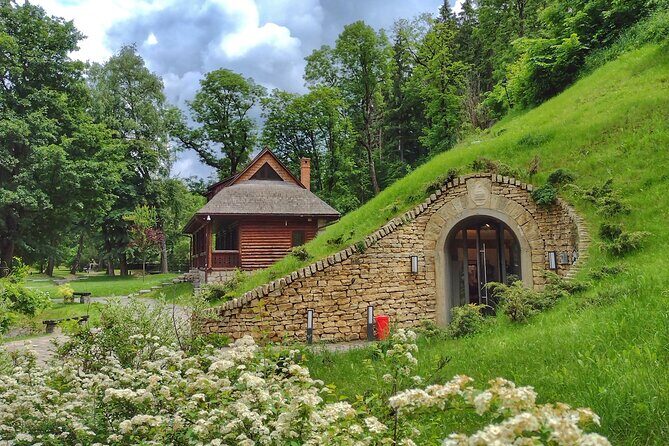
If you only have a few days, you need a route that does two things: protects your time and teaches you how to look. This tour does that by clustering the painted churches of northern Moldavia (Bucovina) on Day 1 and Day 2, then switching gears to Transylvania’s medieval Saxon world on Day 3, and ending with the big-name landmarks of southern Transylvania on Day 4.
The best part is the comparison. You’re not just checking boxes. You get to see how different foundations, centuries, and artistic hands create different styles of fresco work—inside and outside. That is where the tour starts feeling like a real history lesson, not just sightseeing.
You can also read our reviews of more private tours in Bucharest

Getting from Bucharest: private comfort and a 9:00 start
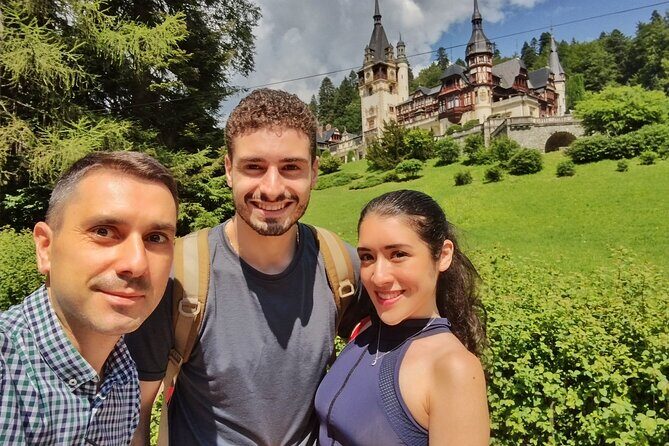
The tour begins in Bucharest with a 9:00 am start and pickup available anywhere in the city. That matters more than it sounds. If you’ve ever tried to sync buses, taxis, and timed entries in Romania, you know how fast the day can get messy. Here, the transport is planned around the route and the stops.
You’ll travel by comfortable, efficient private transport, and the pacing is handled by your guide. That’s especially helpful because this is a multi-region trip: you’re going from Bucharest area logistics into Moldavia’s monastery belt, then back toward Transylvania’s major towns.
One note: the tour requires good weather. If weather is poor, you’ll be offered a different date or a full refund. So if your schedule is tight, aim for flexibility on your travel dates.
Day 1 in Neamț County: Agapia Monastery and Văratec
Day 1 focuses on two of the best-known women’s monasteries in the region, both connected to the Agapia area in Neamț County. You’ll spend about 1 hour at Agapia and 1 hour at Văratec, with admission included for these stops.
Agapia Monastery: big nunnery, powerful fresco story
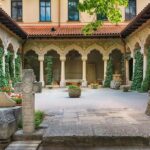
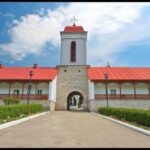
Agapia is a Romanian Orthodox nunnery built between 1641 and 1643 by hetman Gavriil Coci, brother of Vasile Lupu. The church was painted later by Nicolae Grigorescu between 1858 and 1861, which gives it a different layer of art history than the older painted-church style you’ll see later in Bucovina.
Agapia also ranks as one of the largest nunneries in Romania, with 300–400 nuns (per the tour info). That scale changes the feeling of the place. It’s not just a church you pass through. It’s a living community with a strong daily rhythm, and that can make your visit feel more quiet and focused.
Practical tip: these are religious grounds. Expect rules around behavior and sometimes clothing. Even if there isn’t a covered-head rule, you should plan for modest dress and comfortable walking shoes.
Văratec Monastery: Romania’s largest nun monastery
Văratec is described as the largest nun monastery in Romania, with more than 400 nuns living there. In other words, it’s built for an active spiritual community, not just tourism flow.
From a visitor perspective, the value is comparison. Put Agapia and Văratec side-by-side, and you start seeing how architecture, fresco emphasis, and the overall atmosphere differ even when the tradition is similar. You also feel the geography: both are in the same general Agapia commune area, so Day 1 becomes a smooth introduction to the Bucovina religious world.
A few more Bucharest tours and experiences worth a look
Day 2 in Bucovina: Sucevita, Moldovița, and Voroneț blue
Day 2 is the heart of the tour’s painted-church experience. You’ll hit three major sites—each about 2 hours—and this is where the art history gets very concrete. You’ll move through churches whose exterior and interior murals tell biblical stories across centuries.
Sucevita Monastery: Byzantine meets Gothic (with biblical murals everywhere)
Sucevita’s church architecture includes Byzantine and Gothic elements, with additional traits described as typical for other painted churches of northern Moldavia. The key detail for you: both interior and exterior walls are covered in mural paintings.
That means you don’t have to choose between a quick exterior look and a quick interior look. You can spend time on both because the building itself is part of the art package. The murals depict episodes from both the Old and New Testament, so you’ll likely find the guide’s storytelling useful for placing scenes in context.
Moldovița Monastery: founded as a defensive barrier
Moldovița was built in 1532 by Petru Rareș, who was the illegitimate son of Stephen III of Moldavia. The tour info also frames the monastery as a protective barrier against Ottoman conquerors from the East.
That historical angle changes how you see the fresco program. When you know a foundation was tied to defense and survival, the art and the faith feel less like decoration and more like identity—something a community used to endure pressure.
Voroneț Monastery: the Sistine Chapel nickname and the famous Voroneț blue
Voroneț is the “wow” stop for many people for a reason. It’s often called the Sistine Chapel of the East, and the tour info highlights its intense shade of blue known as Voroneț blue.
The monastery was constructed by Stephen the Great in 1488 over 3 months and 3 weeks to commemorate the victory at the Battle of Vaslui. That speed and purpose can be startling. It adds weight to the fresco program because you’re looking at work tied to a specific milestone, not just a general period aesthetic.
What to expect: time inside can feel slower in a good way. These frescoes are detailed and well preserved, and the guide’s pace usually helps you avoid that frustrating feeling of rushing through something you want to actually understand.
Small photo reality check: one review notes a 10 Lei receipt might be required for outside photos, while inside photography may be prohibited. Rules can vary by site and by current conservation policies, so be ready for small on-site fees and follow signs carefully.
Day 3 in Transylvania: UNESCO Sighisoara, Viscri fortified church, and Brașov
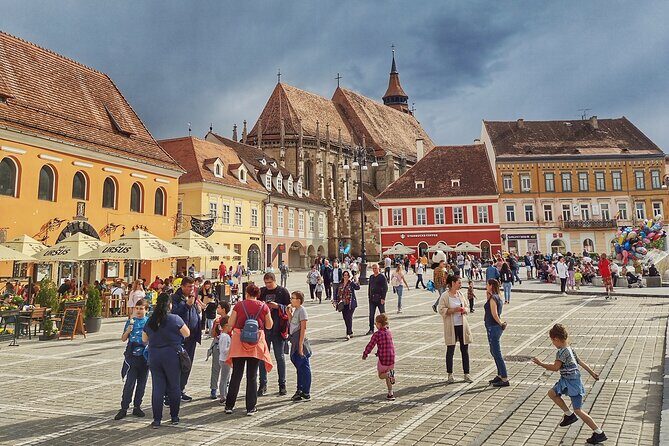
Day 3 shifts from monasteries to towns—medieval streets, Saxon fortifications, and the larger regional story of Transylvania.
You’ll spend about 2 hours in Sighisoara’s historic center, about 1 hour at Viscri, and 2 hours in Brașov.
Sighisoara historic center: a walled UNESCO citadel feeling
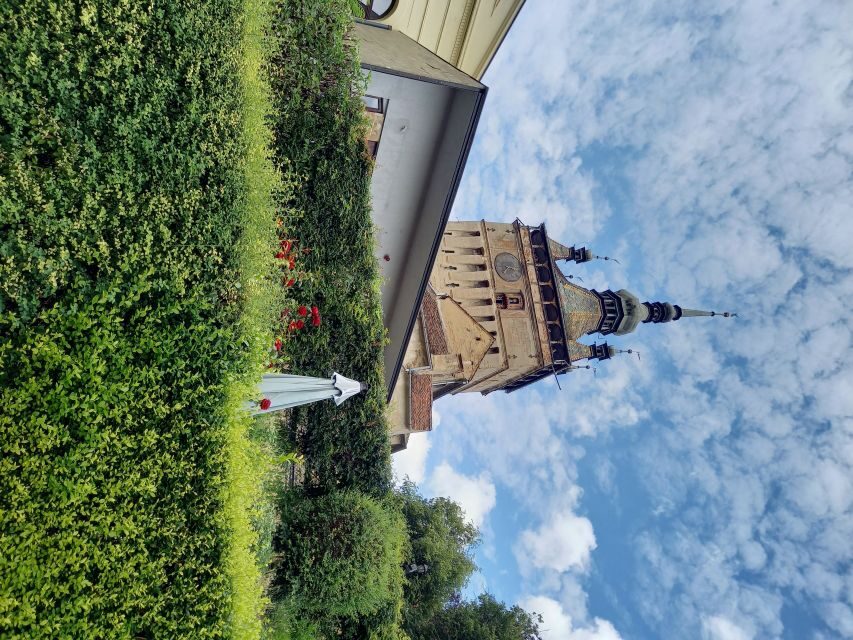
Sighisoara’s historic center is a medieval walled old town and is listed by UNESCO as a World Heritage Site. The value here is the compactness. In a short time, you can get a sense of how the town was shaped for defense and trade.
A guide helps you avoid walking around aimlessly. Instead, you start noticing the logic of the lanes, why fortification mattered, and how the town’s role evolved over time.
Viscri fortified church: UNESCO Saxon architecture
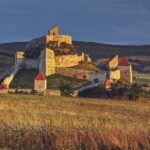
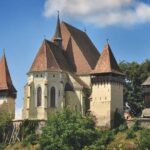
Viscri fortified church is also UNESCO-listed. It’s described as a well-preserved Saxon fortified church, giving you a direct look at how Transylvania’s medieval Saxon communities organized protection and worship.
The stop is about 1 hour, so it’s more about key structure and atmosphere than a museum deep dive. But that short time often works well. Fortified churches can be a lot to process, and a focused visit keeps you engaged.
Brașov historical center: Saxons, trade roads, and the national anthem connection
Brașov is the regional capital of the Transylvanian Saxons of Burzenland in the past. The tour info adds a practical angle: it was a large commercial hub on trade roads between East and West.
And there’s a fun fact: the birthplace of Romania’s national anthem. Even if you only catch the story briefly, it ties Brașov to modern identity, not just medieval nostalgia.
Day 4 in Transylvania: Black Church and Peliș Castle near Sinaia
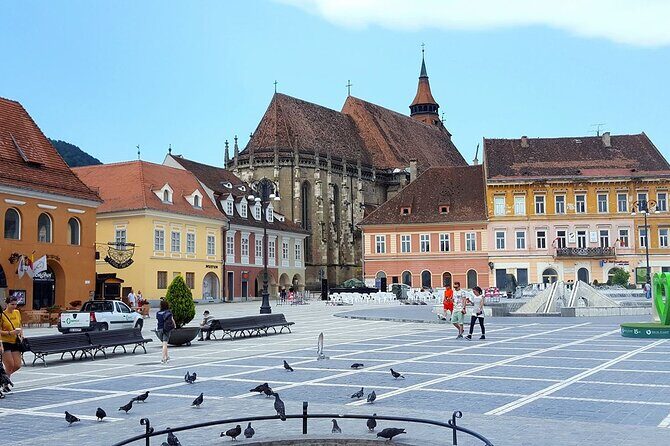
Day 4 ends with two major landmarks, each about 1 hour. This is the “see the big stuff” day, after three days that lean more spiritual and historical-in-art.
Black Church: Gothic Lutheran landmark in a German community legacy
The Black Church was built by the German community in Brașov. It’s described as Romania’s main Gothic style monument and the largest Lutheran worship place in the region.
This stop can be more visually dramatic than people expect, especially if your first days were monastery frescoes. You’ll see a different kind of religious expression: stone, Gothic design, and a community legacy tied to Saxon settlement.
Peliș Castle near Sinaia: royal summer residence and King Carol I
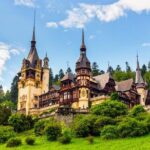
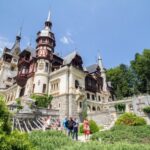
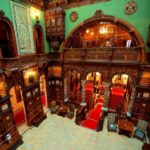
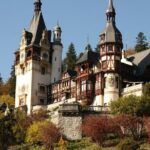
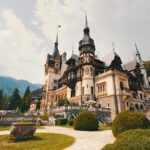
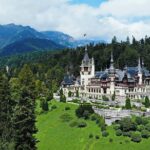
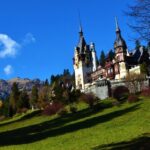
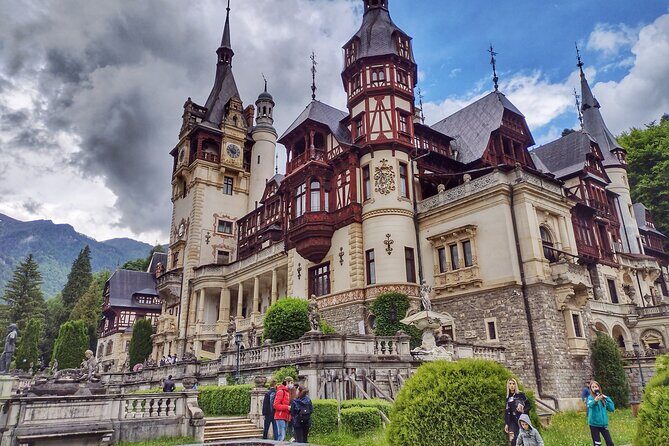
Peliș Castle (near Sinaia) is a Neo-Renaissance royal residence in the Carpathian Mountains. It was built between 1873 and 1914, commissioned for King Carol I, and inaugurated in 1883.
Even if castles aren’t your main travel interest, this stop provides a nice balance. After days of Orthodox religious art and Saxon medieval towns, Peliș shows how Romania’s monarchy wanted to project style, power, and connection to European architectural trends.
What you’re really paying for: private guide time + hotel nights + transport
At $1,356.43 per person for a 4-day private tour, value comes down to what’s included and what’s handled for you.
Included highlights:
- 3 nights in 3-star hotels
- Hotel pickup and drop-off in Bucharest
- Private tour with your own guide
- Breakfast (3)
That combination matters because the biggest hidden cost on multi-day trips is often your time and stress. Private transport, a planned route, and a guide’s constant course-correction reduce wasted hours. And with breakfast included, you’re not constantly searching for quick, expensive meals before each site.
What’s not fully included:
- Other meals and drinks
- Some entrance fees inside visits may still require on-site payment. The information you have suggests around €25–30 per person (not all entry types, and not always in the same way).
My take: if you’re the kind of traveler who wants the art to make sense (frescoes, symbolism, church history), you’re paying for interpretation and logistics as much as tickets.
Entrance fees, photo rules, and dress expectations for monastery grounds
Romanian sacred sites often run on small rules that can change from one monastery to the next. You’ll want to show up ready.
From the info you have:
- Entrance fees may be partly included, but you can also be asked to pay for inside visit tickets on the spot (noted as roughly €25–30 per person).
- One review mentions a 10 Lei receipt for outside photos and that inside photos were not allowed at least at one site.
- For grounds access, you may need trousers or a long skirt (and you might not be asked for a covered head, based on one translated review).
So pack like this:
- Comfortable walking shoes (church grounds can be uneven)
- Long pants or a long skirt for monastery days
- A light layer for church interiors
- Phone charged and camera ready, but follow posted photo rules rather than trying to outsmart them
How the guide makes the frescoes click (Toni Tatar and Marius in practice)
The strongest feedback attached to this tour is about the guides themselves. Names that come up include Toni Tatar and Marius—both described as professional, careful, and deeply invested in making Romania’s stories feel real.
What that means for you is simple: you’re less likely to leave with a list of places and more likely to leave with comparisons you can explain. One review specifically mentions understanding differences between painted churches tied to Stephen I and his followers, plus seeing restoration in action. Even if you don’t care about the art “technique,” restoration is where meaning shows up. You learn what’s original, what’s been repaired, and why preservation choices matter.
That kind of context also helps when religious art gets spiritual fast. The tour is essentially a moving lesson in how Orthodox faith, politics, and artistic style blend together in stone and paint.
Who should book this private tour, and who should not
This tour fits best if:
- You want painted monasteries and can handle a long route with multiple stops
- You like guided interpretation more than casual browsing
- You want UNESCO towns without having to plan transport between them
- You prefer private pacing and pickup from Bucharest
You might skip it if:
- You hate driving days or want tons of free time in each town
- You’re sensitive to religious-site dress rules or the possibility of photo restrictions
- You can’t travel in solid weather windows (this tour is weather-dependent)
Also, the tour notes moderate physical fitness. You don’t need athlete status, but you do need to be comfortable walking, climbing small areas, and standing during church visits.
Should you book this Bucovina & Transylvania private tour?
I’d book it if you’re craving variety with purpose: frescoes in Bucovina, Saxon medieval texture in Transylvania, and major Romanian icons like the Black Church and Peliș Castle. The big reason is efficiency. You get the route, the transport, the guide, and enough time at each stop to actually look.
I’d think twice if you’re budget-tight on entrances and you expect everything to be fully included. The tour handles a lot, but the “on-site inside fees” possibility is real. If you plan for that and you’re ready to dress appropriately at monastery grounds, the experience becomes much smoother.
If your priority is simply moving from one selfie stop to the next, this may feel too structured. If your priority is understanding why these places matter, the private guide time makes the price easier to justify.
FAQ
How long is the private tour?
The tour is listed as 4 days (approx.).
Where does the tour start and end?
It starts and ends in Bucharest, Romania.
What time does the tour begin?
The start time is listed as 9:00 am.
Is pickup included, and can you be picked up anywhere in Bucharest?
Yes. Hotel pickup and drop-off in Bucharest are included, and pickup can be arranged anywhere in Bucharest.
What languages is the tour offered in?
The tour is offered in English.
What’s included in the price?
The tour includes 3 nights in 3-star hotels, private tour service, hotel pickup and drop-off in Bucharest, and breakfast for 3 days.
Are entrance fees included?
Admission tickets are shown as included for multiple stops, but entrance fees inside visits may still require on-site payment (about €25–30 per person is noted in the provided information).
Which UNESCO sites are visited?
Sighisoara historic center and Viscri fortified church are listed as UNESCO World Heritage Sites.
What is the main physical demand level?
The tour indicates a moderate physical fitness level is needed.
What happens if weather is bad?
The experience requires good weather. If it’s canceled due to poor weather, you’ll be offered a different date or a full refund.