REVIEW · BUCHAREST
Bucharest Sightseeing Tour
Book on GetYourGuide →Operated by CT&T, Romania · Bookable on GetYourGuide
Communism is written in Bucharest’s stone. This small-group tour mixes air-conditioned mini-van comfort with guided street-level storytelling, so you can handle the city’s history without feeling rushed. You’ll start at Revolution Square and cover major districts, but keep one thing in mind: the Palace of Parliament (and some churches) can close without warning.
What I like most is how the guide turns big landmarks into something you can actually picture and remember. In past tours, guides such as Elisabeth have been praised for packing in clear, useful context, and the ride itself has also earned nods for being calm (with drivers like Claudio mentioned in reviews). One possible drawback: if you’re craving more about today’s politics, everyday life, and the economy, this tour can feel more focused on historical facts than on current-day numbers and trends.
In This Review
- Key highlights that matter before you go
- How the 4-hour mix of van time and walking works
- Revolution Square and the 1989 moment made understandable
- Victoriei Avenue to the Palace of Justice: power, religion, and old districts
- Unirii Square: Parliament daydreams and Plan B reality
- Orthodox icons at the Metropolitan Church: the spiritual side of the story
- The Arch of Triumph and the Village Museum option
- Price in perspective: what $324 per group buys you
- Who this tour fits best (and who should pick something else)
- Practical tips that prevent day-of headaches
- Should you book this Bucharest sightseeing tour?
- FAQ
- How long is the Bucharest sightseeing tour?
- What is the price, and is it per person or per group?
- Is pickup included?
- Are entrance fees included for the sites?
- What language is the live guide available in?
- What should I bring, and is food allowed in the vehicle?
Key highlights that matter before you go
- Revolution Square’s 1989 setting, where the architecture helps you understand what changed
- Victoriei Avenue and Old Town stops that connect royal-era, government-era, and merchant-era layers
- Lipscani area remains of Merchant Life, a useful reminder that Bucharest wasn’t only built by rulers
- Unirii Square and major government buildings, with an important Plan B if closures happen
- Orthodox icons at the Metropolitan Church, giving you a different angle than politics and palaces
- Flexible swaps when sites close, so your 4 hours still feel full
How the 4-hour mix of van time and walking works
This tour is built around a smart rhythm: you get driven between major zones, then you walk long enough to read the city. That matters in Bucharest because so many landmarks are spread out, and the architecture is the whole point. In a short visit, van time keeps you from burning energy on transfers, and walking gives you those “stop and look” moments you’d miss if you just rode past.
The group size is capped at 8 participants, which is the sweet spot for a guided city tour. You can hear explanations without competing with a busload of people, and questions don’t disappear into the noise. English is offered, plus French, German, Italian, and Spanish, so you’re not stuck playing history-charades.
If you’re the type who likes to know what you’re seeing before you take photos, this tour’s pacing helps. If you prefer long free time to wander, the 4-hour structure might feel tighter than you want—but it also means you won’t end up with a random collection of stops and no connective tissue.
You can also read our reviews of more tours and experiences in Bucharest.
Revolution Square and the 1989 moment made understandable
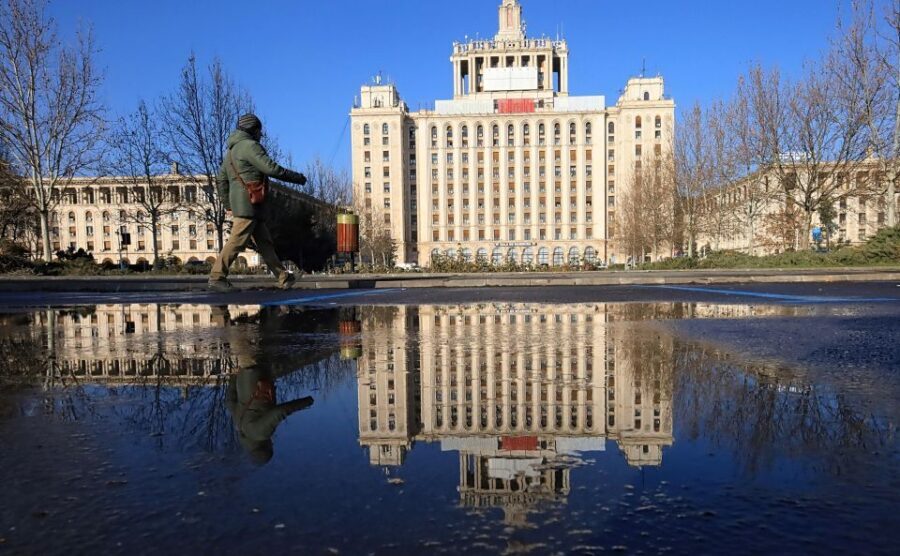
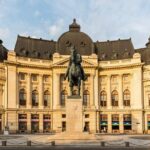
The tour’s starting point is Revolution Square, and it’s a strong anchor. It’s not just a “big plaza” stop. It’s the place tied to the end of Nicolae Ceaușescu’s regime in 1989, and the surrounding royal buildings, libraries, and statues help you see how power and public space get built together.
What makes this stop click is the mental exercise your guide encourages. You’re not only looking at monuments. You’re trying to place yourself in the atmosphere of 1989 and understand what it means that a revolution happened in the middle of a city’s most central symbolism.
From there, you’ll transition into a walk down Victoriei Avenue toward Bucharest’s commercial core. This is where the tour starts doing something valuable: it moves you from a single “event site” into the broader urban layout that event grew out of.
Victoriei Avenue to the Palace of Justice: power, religion, and old districts
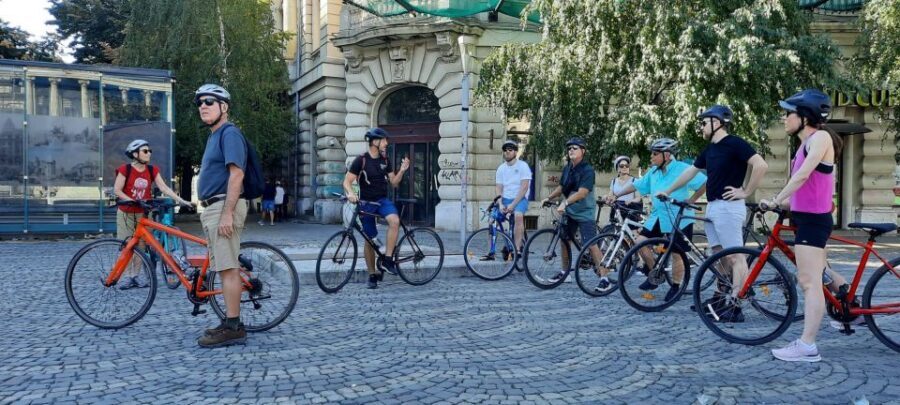
Victoriei Avenue isn’t only a corridor of impressive buildings. It’s a corridor of themes. On this part of the route, you pass major old-quarter landmarks, including the Princely Court and church areas, plus the Palace of Justice with its imposing columns.
That Palace of Justice stop is more than a photo moment. Government buildings like this are designed to look permanent and unchallenged. When a guide points out how architecture communicates authority, the city starts making sense at street level. Even if you don’t know every historical detail, you can usually feel the message.
Then comes Lipscani Old Districts, highlighted as a key stop. Lipscani is where the city’s merchant life is connected to what you see today. You’ll also see remains of the Merchant Life once experienced here, which is a smart counterweight to the palace-and-parliament vibe. Bucharest wasn’t only shaped by rulers. Trade and everyday business life helped build the city’s identity too.
This section is also when you’ll notice how the guide threads the narrative: royal-era anchors, old-quarter institutions, and the “state once all powerful” mood tied to the Justice building. If you want a tour that helps you connect the dots instead of just ticking off sights, this is the stretch that delivers.
Unirii Square: Parliament daydreams and Plan B reality
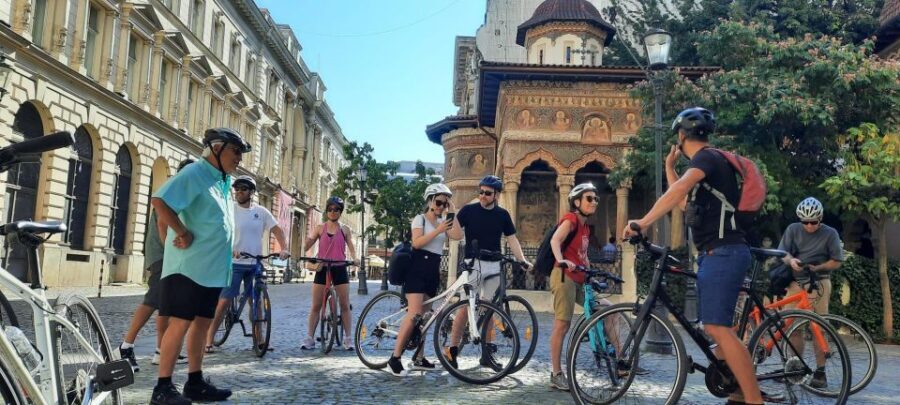
Unirii Square is Bucharest’s enormous transportation hub, which makes it the perfect place to pause. It’s a reminder that history lives inside daily routines. Your guide uses this stop to set up the most famous political attraction on the list: the Palace of Parliament.
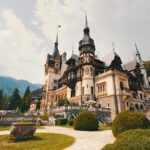
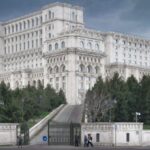
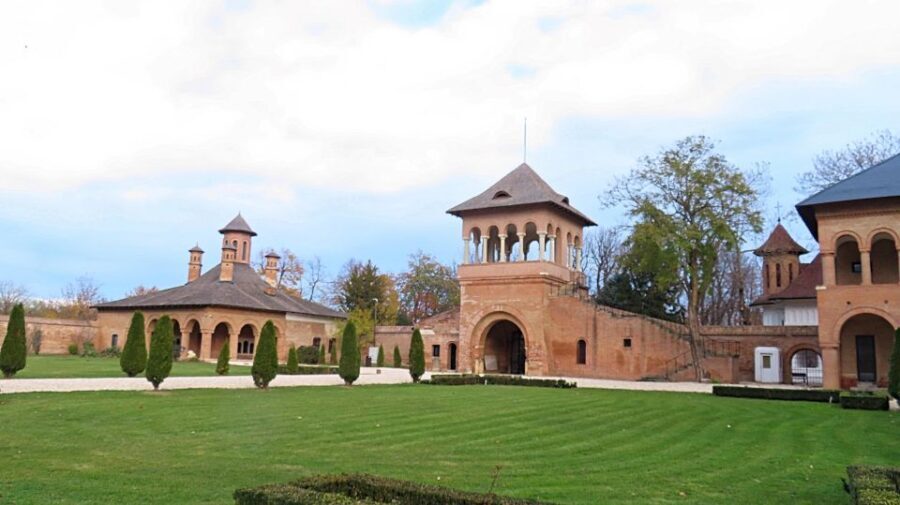
Here’s the practical part: the Palace of Parliament may be closed without prior notice, due to conferences or meetings. If that happens, the tour doesn’t just shrug. There’s an alternate option: you can instead visit the Spring Palace / Ceaușescu’s residence.
This flexibility is one of the tour’s biggest strengths. Large monumental sites can have stubborn opening hours, and Romania museums and some churches can close (especially on Mondays). If you’re worried about wasted time, this tour’s approach—attempting a replacement—helps reduce the “closed sign” disappointment.
If Parliament access is possible, plan to treat it as the high point of the tour’s political architecture story. If it isn’t, the replacement option still keeps the narrative tied to the same era, rather than sending you off to random sights that don’t fit the theme.
Orthodox icons at the Metropolitan Church: the spiritual side of the story
After the big government square energy, the tour shifts again—this time to the Metropolitan Church, where you get to focus on Orthodox iconography. This is a different kind of Bucharest education. Instead of asking what a regime built, you get to look at how a community expresses meaning through art, symbols, and religious tradition.
The guide’s job here is to help you look beyond “pretty icons.” Orthodox churches often pack layers of symbolism, and having a guide explain what you’re seeing makes the stop feel intentional rather than like a quick exterior peek.
One more practical note: churches and monasteries may close without prior notice, especially in low season. The tour’s stated approach is to swap to other relevant sites if something is unavailable, so you’re not left with an empty gap in the schedule.

The Arch of Triumph and the Village Museum option
As you walk back toward the University area, you’ll pass Bucharest’s own Arch of Triumph. It’s another reminder that the city has its own version of the “monument road” idea. Your guide can help you interpret why such structures exist in urban centers and how they fit into national narratives.
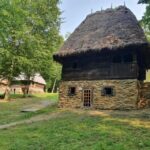
You also have an option to stop at the Village Museum. The museum isn’t described in depth in the tour overview, so treat it as a “worth it if you like cultural museums” add-on. Since the Village Museum visit is conditional and time-dependent, it’s best when you don’t expect it to be guaranteed. If the main schedule runs tight or a site is closed, you may lose this extra.
If you like a final, more “culture and people” ending to balance all the state-focused stops, this option can be a good way to finish. If you’re here mostly for the 1989-and-architecture theme, you can use it as a choose-your-own-adventure moment.
Price in perspective: what $324 per group buys you
The price is listed as $324 per group up to 4, with a duration of 4 hours. That pricing is easiest to evaluate when you think about what’s included: transportation by modern air-conditioned vehicle, guide services, and pickup.
For a short Bucharest visit, a guided highlights tour can be a strong value when you don’t want to spend your day solving logistics: finding parking, figuring out routes between major squares, or trying to interpret buildings alone. Here, the guide is doing the heavy lifting—especially on the history tied to Revolution Square and the political architecture around Unirii.
On the other hand, the tour does not include entrance fees to sites. And because some major attractions can close on short notice, your final mix of visits can vary. Also, one review noted that the tour felt more historical than it did about present-day politics, economy, and income realities. If your priority is today’s Bucharest—jobs, prices, politics in plain language—that preference may not match the tour’s core style.
In plain terms: you’re paying for guided structure, comfort, and a curated route that connects the dots between key Bucharest zones. If that’s what you want, the value makes sense.
Who this tour fits best (and who should pick something else)
This is a great match if:
- you want a guided storyline that links Revolution Square to government architecture and then to Old Town and churches
- you prefer a small group (up to 8) so you can ask questions
- you like historical context you can apply while you’re looking at buildings
You might consider another style of tour if:
- you want heavy focus on modern-day economics, demographics, or the current political situation
- you need a lot of free time to roam independently (this one is structured)
- you’re hoping for a guaranteed visit to the Palace of Parliament no matter what
Also, the guide is available in multiple languages. If you’re traveling in a group, your language needs matter, and you’ll want to choose the tour time that offers the language you prefer.
Practical tips that prevent day-of headaches
Bring your passport as requested. Avoid bringing food in the vehicle, since food isn’t allowed onboard.
Museums are often closed on Monday in Romania, and the Palace of Parliament can close without notice due to conferences or meetings. Some churches and monasteries may also be closed, especially in low season. The tour notes that when that happens, the guide will try to replace the visit with another relevant site, but there’s no guarantee because closures can be outside anyone’s control.
So if you’re visiting on a Monday or you have tight scheduling around Parliament specifically, keep your expectations flexible. Think in terms of: the theme stays the same, even if the exact door you walk through changes.
Should you book this Bucharest sightseeing tour?
I’d book it if you want a focused 4 hours that gives you a framework for Bucharest. The combination of Revolution Square context, walking through Old District areas like Lipscani, and the shift to Orthodox iconography at the Metropolitan Church makes this more than a random highlights loop.
Skip it or pair it with something else if your main goal is understanding contemporary Romania’s political and economic life in detail. This tour’s strength is historical interpretation tied to specific sites.
If you’re short on time, don’t want to figure out routes, and care about making sense of what you’re seeing, this is a solid choice—especially with the comfort of an air-conditioned mini-van and the kind of guide effort that’s been praised by name (Elisabeth) and supported by a calm ride experience (Claudio).
FAQ
How long is the Bucharest sightseeing tour?
The tour duration is 4 hours.
What is the price, and is it per person or per group?
The price is listed as $324 per group up to 4.
Is pickup included?
Yes. Pickup is included from your hotel/address/location.
Are entrance fees included for the sites?
No. Entrance fees to the sites are not included.
What language is the live guide available in?
The live tour guide is available in English, French, German, Italian, and Spanish.
What should I bring, and is food allowed in the vehicle?
You should bring your passport. Food is not allowed in the vehicle.