REVIEW · BUCHAREST
Abel’s Palinca&Tuica Tasting
Book on Viator →Operated by Abels WINE BAR · Bookable on Viator
Romanian spirits have a way of stopping you cold. At Abel’s Wine Bar in Bucharest, you taste țuica and palinca and learn what makes these drinks tick, with hosts Gabriel and Dario keeping it relaxed instead of lecture-y. I love the small-group feel and the way the dried fruit helps you notice differences between each sample. One catch: this is very much a drinking experience, so plan an easy night afterward.
You’ll spend about 2 hours on a mobile-ticket, English-led tasting that stays right in one convenient spot near public transport. It’s built for people who want something genuinely Romanian, not just another generic night out.
And yes, the alcohol is included. In a nutshell, you’re paying $49 for guidance plus five distinct tastings, not just for the drinks themselves.
In This Review
- Key Highlights You’ll Feel Fast
- Abel’s Wine Bar on Str. Nicolae Tonitza: Where the Night Starts
- Your 2-Hour Plan: Five Tuica and Palinca Samples, No Guesswork
- Tuica vs Palinca: The Subtle Differences You’ll Actually Be Able to Describe
- Dried Fruit Pairings: The Trick That Makes Each Sip Easier to Read
- Learning the Making Process Without the Lecture Tone
- What the Small-Group Format Changes (In a Good Way)
- English-Led, Mobile-Ticket, and Easy to Access
- Price and Value: What $49 Gets You Here
- When This Tasting Is a Smart Fit for Your Bucharest Trip
- Potential Drawbacks to Consider Before You Book
- Should You Book Abel’s Palinca & Tuica Tasting?
- FAQ
- How long is Abel’s Palinca & Tuica tasting?
- How much does the tasting cost?
- Where does the tasting start?
- Does the tour end at the same place?
- Is the tasting offered in English?
- What’s included in the ticket price?
- How many types of țuica and palinca will I taste?
- Is it a private group experience?
- Is there a mobile ticket?
- Is free cancellation available?
Key Highlights You’ll Feel Fast
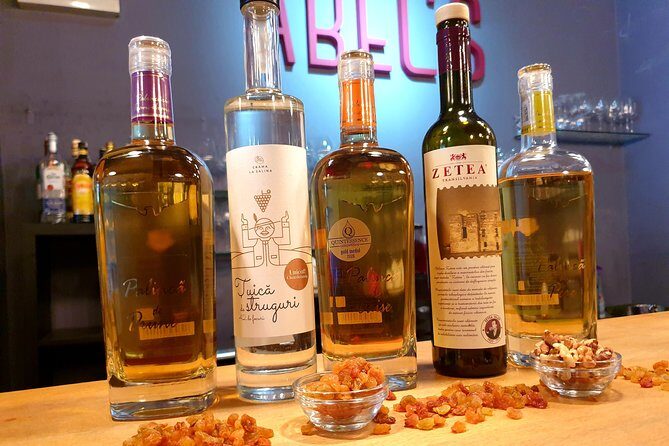
- Five tastings of țuica and palinca in about 2 hours, so you learn by doing
- Tuica vs palinca explained in practical terms, not confusing theory
- Dried fruits as pairings that point your attention to aroma and finish
- A small-group, unhurried vibe with Gabriel and Dario hosting
- Everything starts and ends at Abel’s Wine Bar for an easy evening flow
Abel’s Wine Bar on Str. Nicolae Tonitza: Where the Night Starts
This tasting begins at Abel’s Wine Bar, at Str. Nicolae Tonitza 10 in Bucharest (the same place it ends). That matters more than it sounds. You skip the “where do we go next?” stress and get right into the experience.
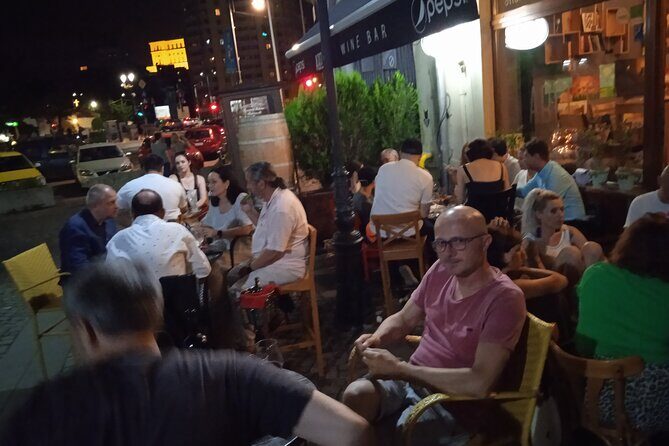
The bar setting is part of why this works. It’s intimate enough that you can ask questions without shouting over a crowd. And because it’s in a fixed meeting spot, you don’t waste your time hunting for a taxi or second-guessing directions.
One more thing I liked: the hosts focus on hospitality. Gabriel and Dario are front-and-center in the way they welcome you, seat you, and guide the tasting without rushing you through it. If you’ve ever been stuck in a tour that feels like a conveyor belt, you’ll appreciate the slower pace here.
You can also read our reviews of more food & drink experiences in Bucharest


Your 2-Hour Plan: Five Tuica and Palinca Samples, No Guesswork
The whole experience runs about 2 hours. That’s a sweet spot. Long enough to learn the key differences, short enough that you can still enjoy the rest of your evening in Bucharest.
You’ll taste 5 different types of țuica and palinca. Think of it like a structured flight: you’re not just sipping randomly. Each sample comes with a chance to compare taste, aroma, and finish.
What’s included is also clear and useful. You’re covered for the alcoholic beverages, plus the tasting setup with dried fruits. That means you can focus on learning and enjoying, rather than doing math every time the pour changes.
Because it’s a private activity limited to your group, you won’t get the awkward feeling of being one face in a large herd. In practical terms, you’ll likely get more back-and-forth, and you can ask for clarification if something doesn’t click right away.
Tuica vs Palinca: The Subtle Differences You’ll Actually Be Able to Describe
The core idea is to learn the differences between these two Romanian spirits. That sounds simple until you taste them side by side and realize they don’t just taste “strong.” They have character, and the distinctions show up when you pay attention.
This tasting is designed to make those distinctions feel obvious. You’ll be guided to notice how each sample behaves in the glass and on the palate. Then you’ll learn how the making process contributes to that flavor profile.
I like this approach because it teaches you a skill, not just a fun fact. After the tasting, you won’t just remember that the drinks were good. You’ll understand why one feels smoother, one has a different aroma, and one lingers differently.
If you’re the type who enjoys comparing flavors (like you do with wine, coffee, or whisky), you’ll get a lot out of it. And if you don’t usually do tastings, this still works because it’s small-group and kept relaxed.
Dried Fruit Pairings: The Trick That Makes Each Sip Easier to Read
One smart part of the setup is the dried fruits served alongside the tasting. You might think this is just a snack. It’s not.
Dried fruit brings sweetness and aroma to the table, and that can help you “calibrate” your palate between different spirit samples. When you move from one type to the next, the fruit gives you a reset point. It helps your senses catch the differences instead of blending everything into one alcohol taste.
I found this kind of pairing useful even when I’m not in a tasting mood. It’s an easy way to make your brain do the comparison work without feeling like a chemistry exam.
Also, it keeps the experience more enjoyable overall. Strong spirits can be intense. The dried fruit helps you keep the tasting comfortable and lets you stay present through the full flight.
Learning the Making Process Without the Lecture Tone
This isn’t just about tasting. You also learn about how these particular spirits are made. The goal is to connect the process to what you’re tasting, so it’s not random trivia.
The best part is the delivery. The experience is described as fun and informative, yet relaxed, with no sense that you’re being hurried out the door. That’s important because when you’re rushed, you don’t remember what matters.
If you want to get the most out of this part, ask questions as you go. For example: what should you be noticing in the finish after the process step you’ve just discussed? When hosts connect the explanation to the next sample, it clicks faster.
And because the activity is in English, you’ll be able to follow along without translating in your head. That small detail is a big deal for enjoying the “why,” not just the “what.”






What the Small-Group Format Changes (In a Good Way)
A small group changes everything. It’s easier to feel like you’re part of a conversation instead of a spectator.
Here, it’s also tied to the way the hosts handle pacing. The tasting doesn’t feel timed for speed. It feels timed for understanding. That’s why people leave with memories that last longer than just the flavor of the alcohol.
You’re also in a private format, meaning it’s only your group. So even if your group includes people who aren’t sure what they’re doing, you’re not stuck in a big mixed crowd.
If you’re traveling with friends and want a shared, low-pressure activity, this format is a win. You can talk, compare notes, and actually pay attention.
English-Led, Mobile-Ticket, and Easy to Access
This is offered in English, which helps a lot if you want the explanation part to land cleanly. It’s also a mobile-ticket experience, so you’re not juggling paper receipts on the night out.
You’ll also be close to public transportation. That matters because with tastings, you don’t want to rely on an expensive last-mile plan. If you’re staying central, you can usually get to the bar without major hassle.
Duration is about 2 hours, and the start and end point are the same. That simplifies your mental map. You don’t need to plan a second meeting point or worry about where the group goes after the last pour.
Price and Value: What $49 Gets You Here
$49 for a 2-hour tasting might sound high or average depending on what you compare it to. Here’s the practical value: you’re not paying only for drinks. You’re paying for guided tasting plus alcoholic beverages plus the pairing setup, all hosted in English.
The experience includes alcoholic beverages, and the tasting covers 5 different types. That means you’re getting repeated comparisons instead of a single sample and a goodbye.
When you break it down, you’re really buying:
- instruction on tuica vs palinca
- tasting time with five distinct pours
- dried fruit pairings to help you taste differences
- a small-group, relaxed pace
If you’re the kind of traveler who likes structured experiences (but not rigid ones), it’s good value. If you only want a quick drink and don’t care about learning, you may feel like you’re paying for explanations you won’t use.
When This Tasting Is a Smart Fit for Your Bucharest Trip
This is best for you if you want a Bucharest night that’s specific and Romanian. Not just “eat and drink,” but learn something while you do it.
It’s also a great fit for people who like small-group evenings. You’ll get more direct attention, and you can ask for clarification when you taste something new.
I’d also recommend it if you enjoy food-and-drink pairing logic. Even if you’re new to spirits, dried fruits help you understand the flavor changes in a way that feels intuitive.
If you’re traveling with someone who usually finds tastings intimidating, this format helps. The vibe stays friendly and relaxed. You’re not being grilled. You’re being guided.
Potential Drawbacks to Consider Before You Book
Let’s be honest: this includes alcoholic beverages, and you’re tasting multiple samples. If you’re sensitive to alcohol or trying to keep things light, you might not enjoy the intensity.
Also, this is a focused experience with a single meeting point. That’s great for convenience, but it won’t scratch the itch for a multi-stop evening with big sights.
Finally, if your idea of fun is sitting down for a long meal, this is not that. It’s an active tasting in a bar setting that prioritizes learning and comparison.
Should You Book Abel’s Palinca & Tuica Tasting?
If you want a compact, guided Romanian spirits experience that feels personal, I’d say yes. The combination of 5 tastings, dried fruit pairings, English explanations, and a small-group pace makes it more than a simple drink stop.
It’s especially worth booking if you’re the type who likes to leave with a better understanding of what you just tasted, not just a nice evening. And if you want to meet hosts who make the experience feel like being cared for, Gabriel and Dario are clearly the kind of hosts you’ll remember.
If you’d rather avoid alcohol-forward evenings or you want a sight-heavy itinerary, you might look for something else. But for a Romanian-focused night in Bucharest, this one is easy to recommend.
FAQ
How long is Abel’s Palinca & Tuica tasting?
It lasts about 2 hours.
How much does the tasting cost?
The price is $49.00 per person.
Where does the tasting start?
It starts at Abel’s Wine Bar, Str. Nicolae Tonitza 10, București 030113, Romania.
Does the tour end at the same place?
Yes. The activity ends back at the meeting point (Abel’s Wine Bar).
Is the tasting offered in English?
Yes, it’s offered in English.
What’s included in the ticket price?
Alcoholic beverages are included.
How many types of țuica and palinca will I taste?
You’ll taste 5 different types of țuica and palinca.
Is it a private group experience?
Yes. It’s a private tour/activity, so only your group participates.
Is there a mobile ticket?
Yes, it includes a mobile ticket.
Is free cancellation available?
Yes. You can cancel up to 24 hours in advance for a full refund.