REVIEW · BUCHAREST
7-Day Dracula Tour in Romania from Bucharest including ‘The Ritual of Killing of a Living Dead’
Book on Viator →Operated by Transylvania Live Expert in Transylvania · Bookable on Viator
Vlad’s trail starts on a quiet lake—then turns theatrical. This 7-day Dracula-style tour connects Romania’s major castle stops with the stories around them, so you get both the legend and the real-world context as you move from city to city. I especially like that you’re not stuck figuring out logistics day after day, because transfers and key admissions are handled for you.
Two things I’d put at the top: the included sights (Snagov Monastery, Poienari Citadel, Corvinesti, Salt Mines of Turda, Bran Castle, plus Peles Castle and Târgoviște) and the structured pacing with overnight stays in historic towns. One thing to think about up front: this is a fixed, full-route schedule, so if you want slow travel or lots of free time, you’ll feel it.
If you’re the type who likes Dracula lore but also wants the context behind it, this tour hits a good balance. You’ll be guided through the myths, the architecture, and the regional history—then you’ll cap it with a special evening event in Turda.
In This Review
- Key points worth knowing
- From Bucharest to Transylvania: how the tour actually runs
- Snagov Monastery: the Vlad legend begins with a real place
- Poienari Castle ruins and Sibiu: fortress drama meets fortified-town calm
- Hunedoara’s Corvinesti castle and Turda salt mines: the day the story turns theatrical
- Turda’s Living Dead ritual: what to expect (and what to know first)
- Cluj-Napoca city tour and the Harker-style drive toward Bistrița
- Sighisoara UNESCO morning: citadel streets and the Clock Tower
- Bran Castle and Brașov historical center: the Dracula symbol plus Saxon walls
- Sinaia’s Peles Palace and Târgoviște: finishing with power, not just fangs
- Price and value: what you pay for (and why it can make sense)
- Who should book this tour (and who might not love it)
- Should you book this Dracula tour with the Living Dead ritual?
- FAQ
- What is the meeting point and start time?
- Is pickup included, and do they return you to the same area?
- How long is the tour?
- What meals and dinners are included?
- What is included in the special event in Turda?
- What are the main attractions and admissions included?
- What isn’t included in the price?
- Can I request a vegetarian option?
Key points worth knowing
- Coach-and-minibus transfers included all the way from Bucharest, with air-conditioning when group size requires it
- Entry tickets are built in for major stops like Snagov Monastery, Bran Castle, Peles Castle, and Târgoviște Citadel
- Overnight stays in historic cities across the route, so you’re not rushing every day without sleeping anywhere meaningful
- Turda’s Salt Mines plus a vampire-themed dinner make day 3 feel like the heart of the Dracula arc
- Ritual of Killing of a Living Dead is included, but it runs only for groups of at least 4
- Group size stays moderate (max 50), which helps keep the day moving without feeling totally chaotic
From Bucharest to Transylvania: how the tour actually runs
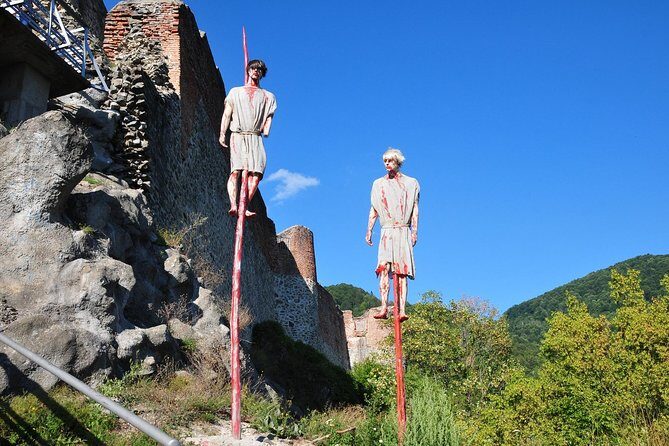
This tour starts at 10:00 am from MOXA Bucharest Boutique Hotel on Calea Victoriei. You’ll get pickup from that hotel, ride in an air-conditioned vehicle depending on the group, and return to the same meeting point at the end of the trip. On the last day, you also get a hotel drop-off around 5:00–7:00 pm.
The other practical upside: you’re not paying each day’s wayfinding and entry fees out of pocket. The tour includes English-speaking guide services, and it also includes transportation between stops by coach/minibus/car. That matters in Romania, where distances add up fast if you’re traveling independently.
One note: the “Dracula” part of the brand means the schedule is built around famous names and locations. That’s great if you want a bucket-list hit. If you want quiet villages, flexible timing, or long self-guided breaks, you may want a different style of trip.
You can also read our reviews of more tours and experiences in Bucharest.
Snagov Monastery: the Vlad legend begins with a real place
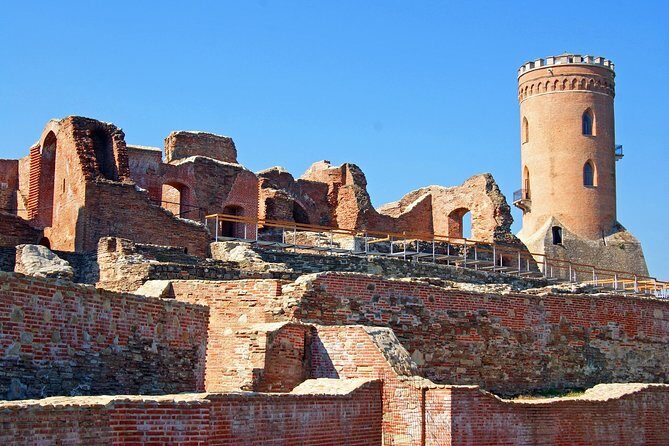
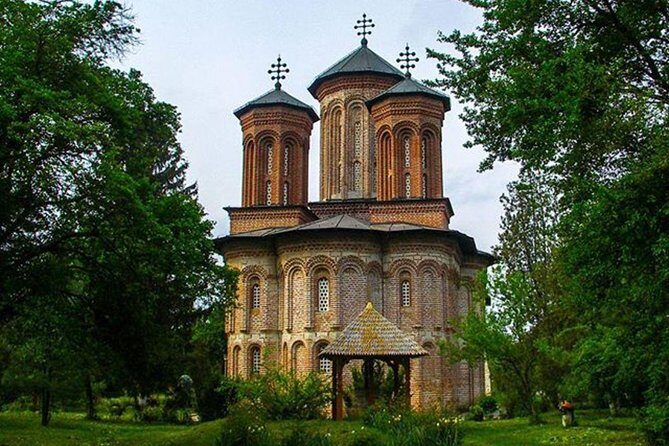
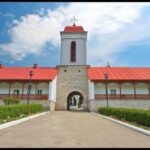
Your first stop leaves Bucharest for Snagov Monastery. It’s a lake-side setting that makes the story feel immediate, because the myth is tied to a specific location rather than just a general vibe. The legend here is the one people remember most: that Vlad was buried after his assassination.
What I like about this kind of opening stop is how it sets your expectations. You’re not just seeing a church. You’re getting the tour’s approach right away: Dracula lore is treated like something you can compare against what’s known and what’s told.
Logistically, expect about an hour at the site, with admission included. This is also a calmer first taste before the longer castle days kick in.
Poienari Castle ruins and Sibiu: fortress drama meets fortified-town calm
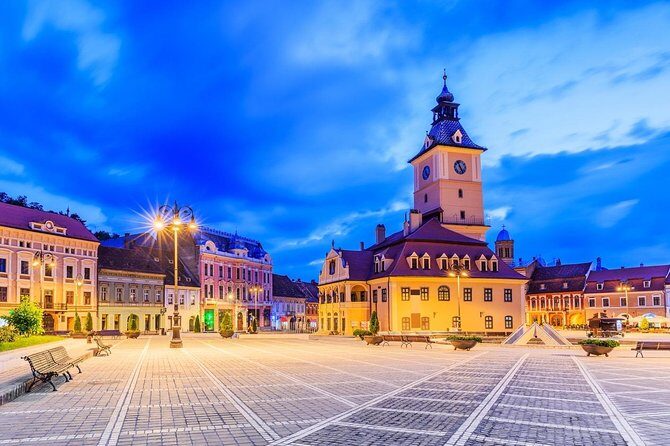
Day 2 includes Poienari Castle ruins, described as Vlad’s old and faithful fortress. Even without walking through a fully intact palace, ruins like this do something important: they force you to imagine the strategic reason a location matters. Poienari’s power is in its setting and its scale, and that’s the point for Dracula fans who want more than postcards.
After Poienari, the tour pivots into Sibiu, a fortified town with a medieval feel. This is the part of the itinerary where you get a change of atmosphere: fewer “Dracula-themed” stops, more streets, town layout, and the kind of architecture that makes Bram Stoker’s Romania feel believable.
You’ll have an overnight stay in the route’s hotel plan (with the tour using both 4-star and 3-star centrally located accommodations across the week). Meals here are covered by the package: you’ll have your breakfasts, plus a welcome dinner on day 1 and an additional themed dinner later in the trip.
Hunedoara’s Corvinesti castle and Turda salt mines: the day the story turns theatrical
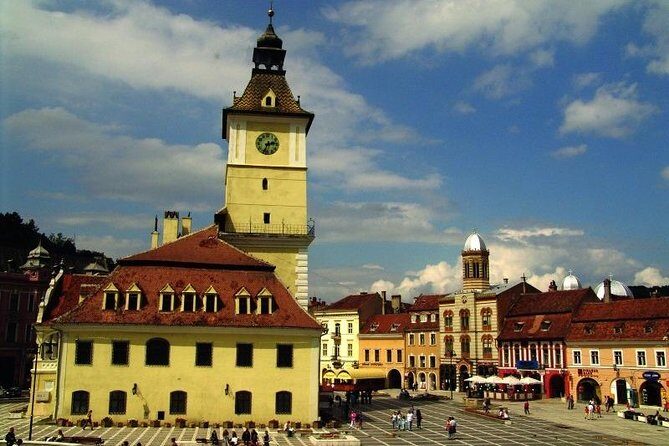
Day 3 is one of the most “you’ll remember this forever” parts of the week, because it stacks two very different experiences:
First comes Corvinestilor Castle (Castelul Corvinilor) in Hunedoara, a Gothic-style castle that feels dramatic even before you layer on any Dracula narrative. This is where architecture carries the mood: towers, fortifications, and a castle silhouette that instantly reads as Transylvanian.
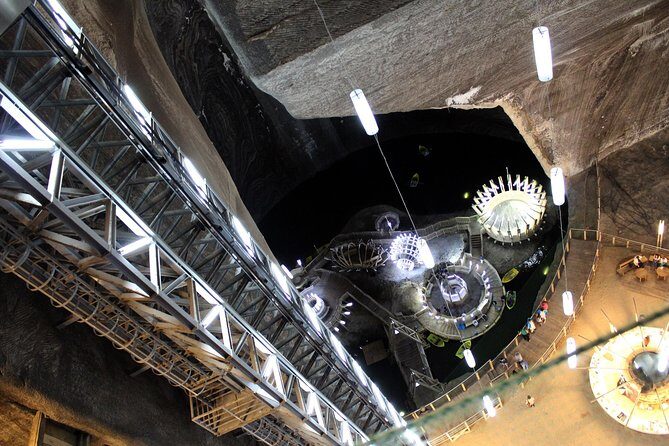
Then you head to Turda and the Salt Mines of Turda. The salt mine stop is included, and the timing matters. Instead of just swapping one sightseeing stop for another, you’re going underground into a place that creates its own atmosphere—cool air, mineral walls, and a setting that makes the whole Dracula myth-machine feel more like theater than marketing.
This day also includes a vampire-themed dinner. If you’re the type who likes a strong sense of occasion, this is where the tour leans in. The package includes Dinner with Vampire menu in Turda, which gives you a planned break after a long day.
Finally, your Turda-area time includes the tour’s signature special event: The Ritual of Killing of a Living Dead. That’s the moment that turns the week from “castles and legends” into something closer to live storytelling.
Turda’s Living Dead ritual: what to expect (and what to know first)
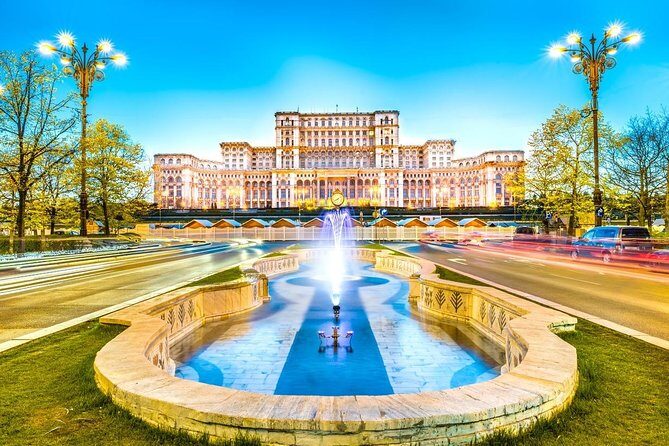
This special event is included as part of the tour. It takes place in Turda, and there’s one important condition: it runs for groups of at least 4 travelers. If your trip is small, you’ll want to confirm that the event is scheduled for your specific dates when you book.
Also note the event isn’t described as an optional add-on. It’s part of the itinerary, so plan your evening accordingly. If you dislike staged performances, or if you’re sensitive to theatrical themes, you might prefer to treat this as an “experience” rather than a literal historical reenactment.
I like having this event in the middle of the itinerary rather than at the very end. It keeps the myth momentum going while you’re still in the Transylvania zone.


Cluj-Napoca city tour and the Harker-style drive toward Bistrița
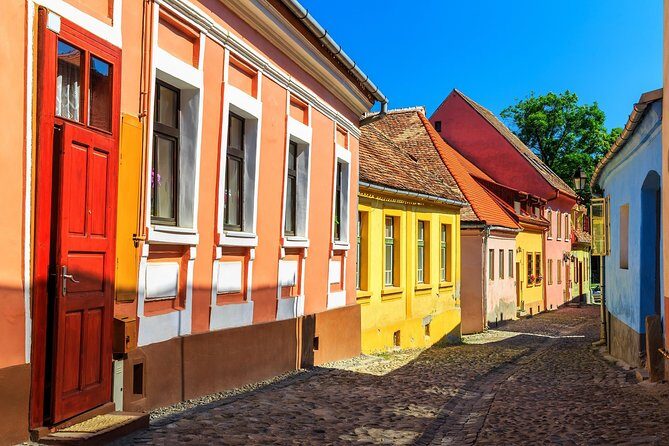
Day 4 includes a Cluj-Napoca city tour, with time to see medieval-style sights like Saint Andrews Cathedral. This is another good balancing move: it stops the trip from becoming only castles and legends and reminds you that this is a living region with real streets, real churches, and real historic neighborhoods.
You’ll also travel toward Bistrița following the “Jonathan Harker” theme (from the Dracula novel). The itinerary doesn’t promise constant stops, but the point is that you’re following the story’s route through landscapes that feel right for the novel’s mood.
This day is useful if you want variety. After the heavy hitters on days 2 and 3, you get a mix of city walking and scenic travel. If you’re prone to getting tired of long coach days, this is one of the more mentally refreshing ones because the focus is broader than just castle scenery.
Sighisoara UNESCO morning: citadel streets and the Clock Tower
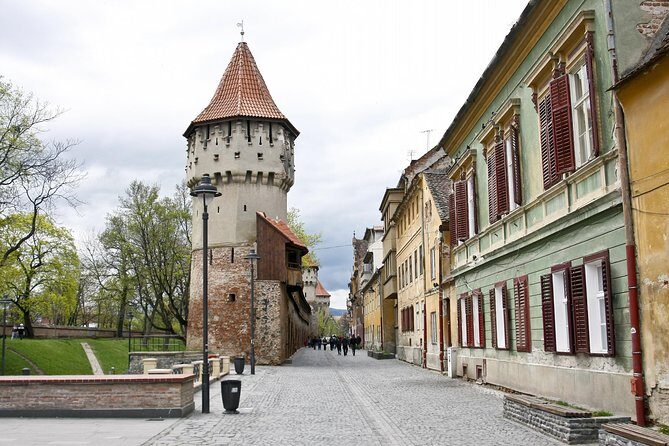
Day 5 centers on Sighisoara, including its medieval citadel area, a UNESCO World Heritage Site. This stop matters because it’s not just a famous castle. It’s a complete old town feel—tight lanes, defensive structure, and the sense that history is happening at street level.
You also get specific time at the Sighisoara Clock Tower (Turnul cu Ceas / Gate Tower). The tower’s role over time—council meetings and storing archive material—helps ground the Dracula atmosphere in governance, trade, and daily life rather than only in monster legends.
Expect about 3 hours for the historic center and about 1 hour for the clock tower. That’s enough time to walk and take photos without turning it into a rushed checklist.
If you’re deciding whether you want this tour over another, I’d look at this day. Sighisoara is one of the places where a Dracula trip stops feeling like theme travel and starts feeling like travel.
Bran Castle and Brașov historical center: the Dracula symbol plus Saxon walls
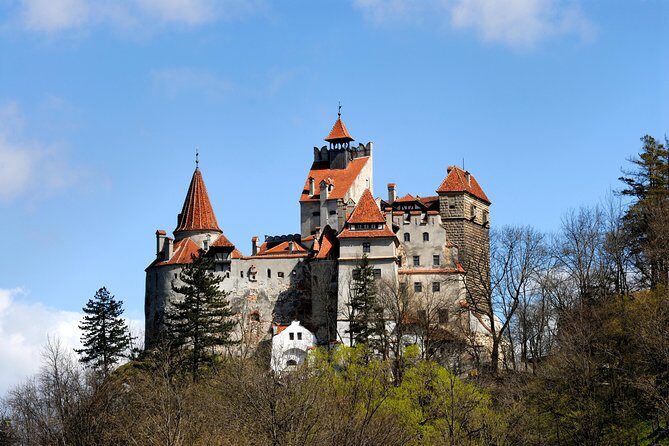
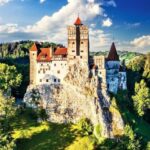
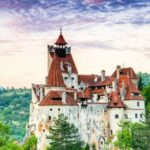
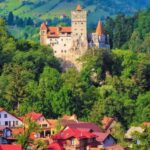
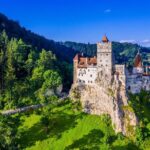
On Day 6 you visit Bran Castle, known as Dracula’s Castle. This is the most famous name on the route, and it’s also where you’ll notice how the tour handles the fact-versus-fiction theme. You get the myth framing, but you’re also seeing a real fortress with real defensive logic and a very recognizable silhouette.
After Bran, you move to Brașov for time in the Brasov Historical Center, with a focus on the town’s defense fortifications built between the 15th and 17th centuries. That detail matters because it changes the way you view the castle stops. You start looking for walls, gates, and how people defended themselves—no matter what monster story gets attached later.
This day works well for most travelers because it’s not only walking. You get the big icon stop (Bran) plus a second stop that adds context through city history. If you love architecture and fortification logic, you’ll appreciate it even if you’re not a full-on Dracula scholar.
Sinaia’s Peles Palace and Târgoviște: finishing with power, not just fangs

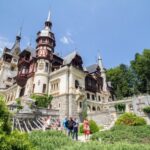
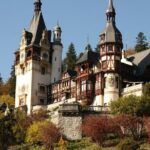
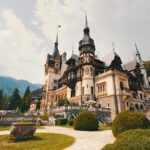
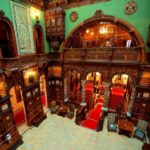
Your final day is a strong closer because it shifts the tone from Dracula imagery into royal history. You start with a drive to Sinaia for Peles Castle, with entry included. Peles is the kind of place that makes you slow down, because it’s easy to see why palaces become part of cultural memory.
Then you continue to Târgoviște to see the Tirgoviste Citadel. This is tied to the broader region’s political past and gives your trip a sense of the old Valahia center rather than only the gothic story side.
The tour returns to Bucharest late in the evening, arriving after 7:00 pm based on the itinerary note. You’ll be dropped at your area/hotel plan around 5:00–7:00 pm per the tour inclusions, but late arrival should still be on your mental schedule.
Price and value: what you pay for (and why it can make sense)
At $1,685.87 per person, this is not a budget day trip. So the question becomes: what are you actually buying?
You’re paying for a full week of:
- 6 breakfasts and 2 dinners (welcome dinner plus the vampire-menu dinner in Turda)
- 3 nights in 4-star hotels and 3 nights in 3-star hotels, all centrally located
- Included entry fees for major stops like Snagov Monastery, Poienari Citadel, Salt Mines of Turda, Corvinestilor Castle, Bran Castle, Peles Palace, and Tirgoviste Citadel
- English-speaking guide services
- All internal transportation (coach/minibus/car, air-conditioned depending on group size)
- The Ritual of Killing of a Living Dead special event in Turda
That’s why the price can feel fair for the right traveler. If you tried to replicate it yourself—tickets, car transfers, coordinating guides, and building a multi-night route—you’d likely spend a lot of time and still risk messy logistics.
Your cost also signals something practical: hotels and admissions aren’t an afterthought here. They’re baked into the week.
The main tradeoff is flexibility. A guided package like this is designed to be efficient, not slow. If you’re traveling for relaxed wandering over scheduled stops, you might feel “boxed in.”
Who should book this tour (and who might not love it)
This tour is a strong match if:
- you want a one-week Dracula-and-Transylvania hit list without planning every leg yourself
- you enjoy myth plus context, not just spooky vibes
- you like the idea of an organized schedule with enough breaks built in (meals, hotel nights, guided time)
I’d think twice if:
- you hate staged or theatrical content and would rather do purely historical sites
- you need lots of downtime each day; this route is busy and designed for maximum coverage
- you’re traveling with the kind of flexibility that doesn’t work well with fixed timing and grouped pacing
If you’re in that “I want the famous places, but I also want it explained” category, this tour is likely a good fit.
Should you book this Dracula tour with the Living Dead ritual?
If Dracula lore is your thing and you’d rather spend your energy soaking up stories and architecture than coordinating transport, I’d say yes. The blend of iconic landmarks, centrally located hotel stays, and the Turda special event gives you a week that feels like a complete themed journey—without ignoring the real locations behind the myth.
Just go in knowing it’s structured. If you want wandering freedom, pick a slower style of travel. If you want a guided, ticketed, story-forward route through classic Dracula stops, this is the kind of trip you’ll feel satisfied you did.
FAQ
What is the meeting point and start time?
The tour starts at MOXA Bucharest Boutique Hotel in Bucharest, with a 10:00 am start time.
Is pickup included, and do they return you to the same area?
Yes. The tour includes hotel pickup from Moxa Boutique Hotel, and it ends back at the meeting point. A hotel drop-off on the last day is included around 5:00–7:00 pm.
How long is the tour?
It’s listed as a 7-day tour (approx.).
What meals and dinners are included?
You get 6 breakfasts and 2 dinners: a Welcome Dinner and a Dinner with Vampire menu in Turda.
What is included in the special event in Turda?
The tour includes The Ritual of Killing of a Living Dead in Turda. It takes place for groups of at least 4 travelers.
What are the main attractions and admissions included?
Admissions included cover Snagov Monastery, Peles Palace, Bran Castle, and Tirgoviste Citadel, plus stops that include Salt Mines in Turda, Poienari Citadel, and Corvinestilor Castle in Hunedoara.
What isn’t included in the price?
Not included are plane ticket, airport fees, photo and video tax, and accommodation on the last day (other inclusions not mentioned).
Can I request a vegetarian option?
Yes. A vegetarian option is available—you’ll need to advise at the time of booking.