REVIEW · SIGHISOARA
Sighisoara: Candlelight Tour of Dracula’s Home Town
Book on GetYourGuide →Operated by Transylvanian Wonders SRL · Bookable on GetYourGuide
Two hours in Sighisoara feels like a mini movie. I love the Clock Tower glowing after dark, and I love how the story connects Dracula’s birth house to the broader medieval world around it.
One thing to calibrate: the name says candlelight, but this is really a night-history walk driven by the old town’s lighting and storytelling, not literal candles, and Dracula lore is only one thread of a wider Sighisoara narrative.
In This Review
- Key Points You Should Know Before You Go
- Meeting in Front of the Clock Tower Museum: How the Night Tour Starts
- Up the Covered Stairs or Stairs of the Scholars to the Church on the Hill
- The Narrow Streets to the City Walls, Towers, and Bastions
- Dracula’s Birth House and Vlad Tepes: Myth Meets Medieval Reality
- How the Tour Ends at the Clock Tower: Night-View Takeaways and Evening Plans
- Practical Tips for a Smooth Night Walk (Shoes, Photos, and Stairs)
- Price and Value: What $44 Buys You in 2 Hours
- Who This 2-Hour Dracula Home Town Tour Fits Best
- Should You Book This Tour of Dracula’s Home Town?
- FAQ
- FAQ
- Where is the meeting point for the tour?
- How long is the Sighisoara candlelight-style tour?
- Is the tour in English?
- What does the tour price include?
- Is food or drinks included?
- Is hotel pickup included?
- What should I bring?
- Is the tour wheelchair accessible?
- What is the cancellation policy?
Key Points You Should Know Before You Go
- Clock Tower museum start: You begin in the right place, with the guide holding a Walking Tour sign.
- Stairs with a purpose: The route uses the Covered Stairs or the Stairs of the Scholars to get you up into the citadel mood quickly.
- Church on the Hill in context: You’ll hear how the evangelistic church fits right next to the clock and Dracula’s house.
- Old walls, real scale: The walk to the city walls gives you towering views and a strong sense of medieval defense and planning.
- Vlad Tepes, but with grounding: You get tales tied to 1431, without losing the bigger picture of Sighisoara.
- End with local evening ideas: The tour closes with restaurant and bar recommendations so you can keep the night going.
Meeting in Front of the Clock Tower Museum: How the Night Tour Starts
You meet your guide in front of the Clock Tower museum. The guide will be holding a Walking Tour sign, which makes it easy to spot and jump straight into the plan. From the first minutes, the focus is on getting your bearings in the Old Town fast—this matters because Sighisoara’s streets can feel a bit like a maze once you’re wandering without a route.
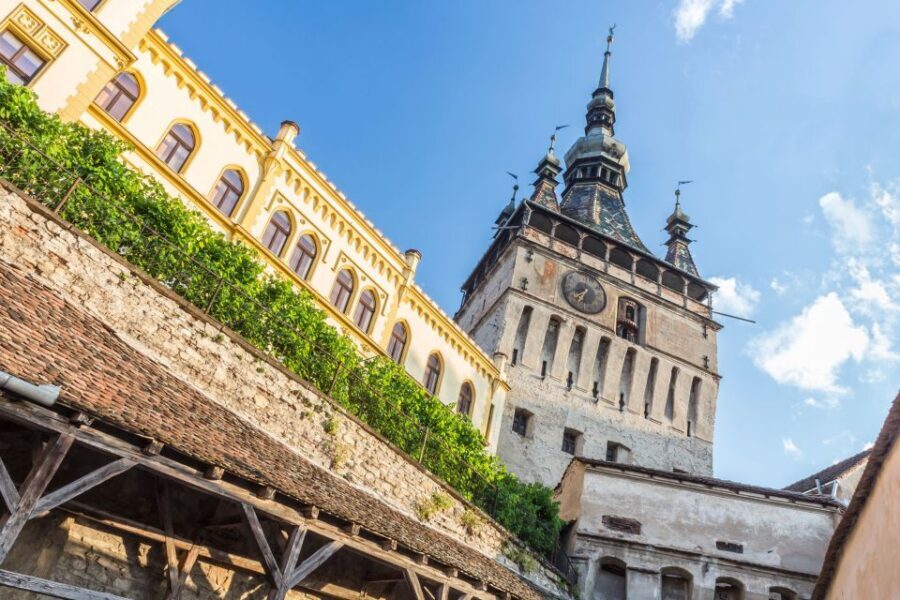
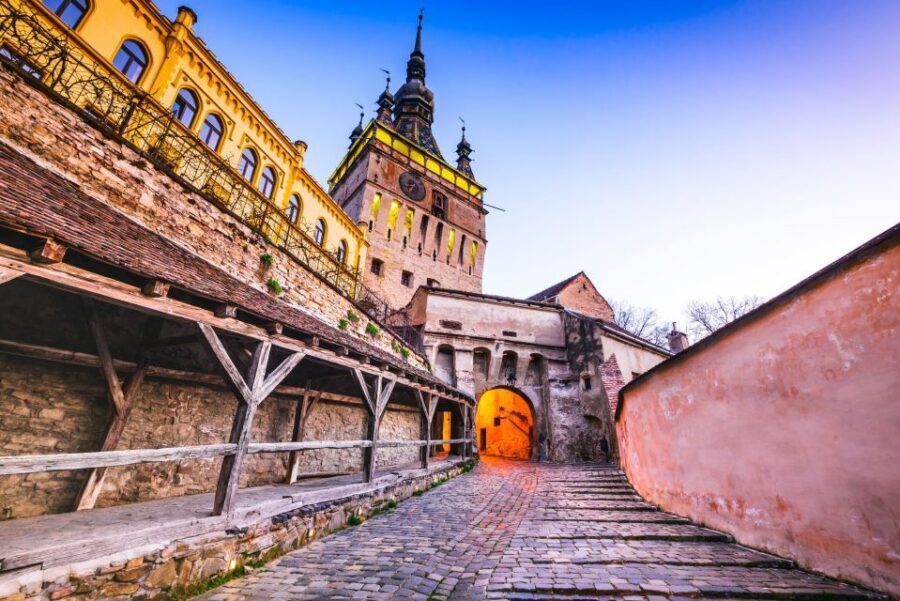
A big part of why this start works: you’re launching right next to the city’s most recognizable landmark, the Clock Tower. Later, you’ll see it lit up at night, but the first stop gives you context before the lighting turns the whole place into something more dramatic.
This is also the moment where you’ll learn what the guide thinks you should look for. That’s where the tour earns its value. A good guide doesn’t just point at buildings; they teach you how to read the town in motion.
You can also read our reviews of more tours and experiences in Sighisoara.
Up the Covered Stairs or Stairs of the Scholars to the Church on the Hill
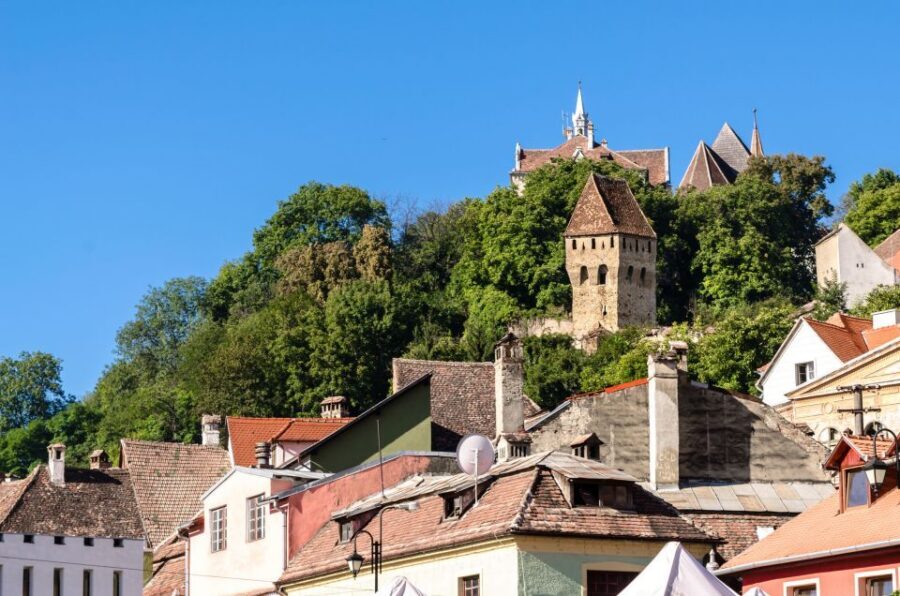
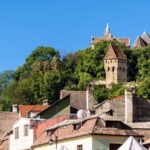
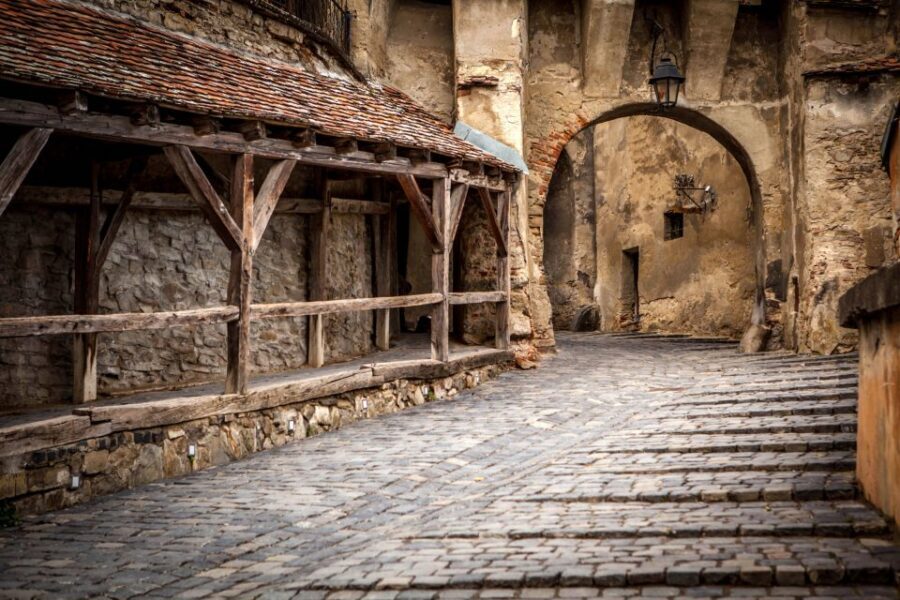
After the quick setup, you head up toward the Church on the Hill. You’ll walk through either the Covered Stairs or the Stairs of the Scholars—both are classic Sighisoara approaches, and both put you into a medieval rhythm right away.
Here’s what I’d expect you to notice: you’re not just climbing for the sake of it. These stair routes help you experience how the citadel works—how movement, elevation, and tight streets connect the important sites. And because it’s a guided night walk, the guide can explain what you’re seeing while you’re still close enough to feel it.
Just a short distance from major attractions, the church plays a key storytelling role in the tour. The guide explains the evangelistic church’s place in the citadel’s setup, linking it to the same zone that holds the Clock Tower and Dracula’s house. That proximity is a big reason the tour feels cohesive. You’re constantly hearing how the town’s locations connect.
Practical note: this section is stair-heavy. Comfortable shoes are not optional advice here.
The Narrow Streets to the City Walls, Towers, and Bastions
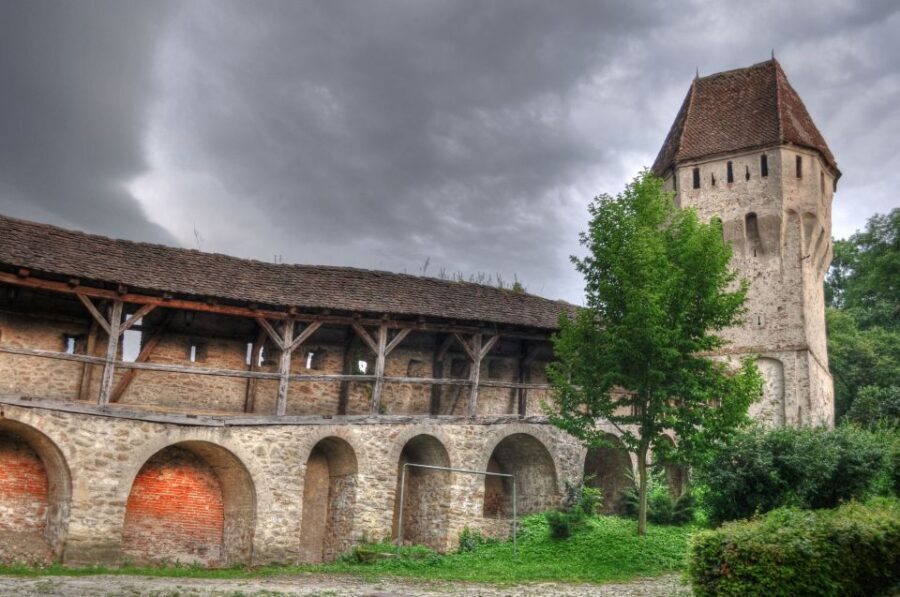
Once you’re up in the citadel area, the tour shifts into a slower, more interpretive pace. You’ll stroll along narrow streets until you reach the old city walls. This is where Sighisoara becomes more than a set of postcards.
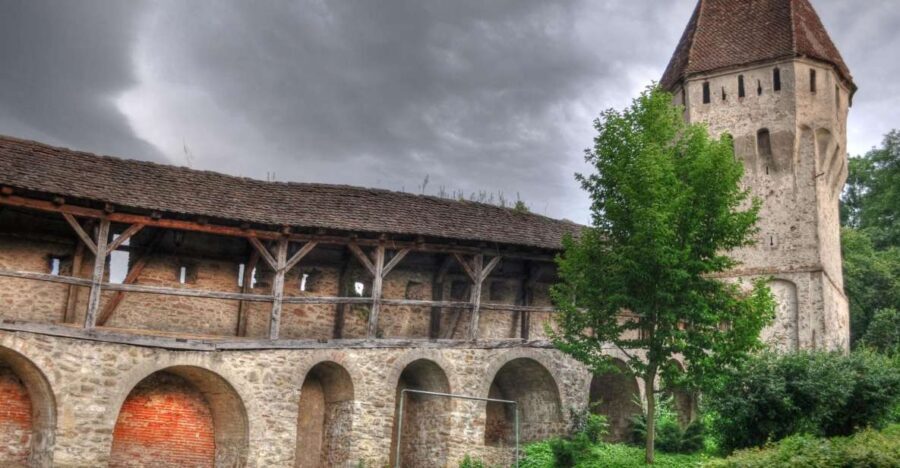
From the wall area and toward the towers and bastions, you get those views that make you understand why fortifications mattered here. The walls and structures are described as extremely well-preserved, and that preservation matters for your experience. When buildings are intact, a guide can talk about defense and planning without sounding like they’re guessing.
This section is also a strong photo moment—especially if your guide times your viewpoints with the light fading. In at least some departures, the pacing is good enough that you can catch a sunset feel and then keep going into night atmosphere.
One more reason I like this part of the tour: you’re learning while walking. You’re not stuck in one spot listening for long stretches, and you’re not bouncing around with constant backtracking. The route helps you build a mental map before you leave.
Dracula’s Birth House and Vlad Tepes: Myth Meets Medieval Reality
Now for the part most people booked for: the house where Dracula (associated with Vlad Tepes) was born in 1431. The tour includes a look at Dracula’s birthplace and the stories tied to the Wallachian king.
But here’s the balanced take you should keep in mind: this walk is not a pure Vlad Tepes performance. It’s more of a braided narrative—Dracula lore threaded through a larger explanation of Sighisoara and Transylvania’s layered past.
If you’re hoping for only spooky tales, you might feel a little disappointed. The tour description leans toward medieval history around the Dracula myth, and the guide’s job is to place the legend into its real geographic and historical setting. The best guides here do a nice job of giving you context so the legend lands with more meaning, not less.
Also, the guide’s tone matters a lot. One name that shows up repeatedly is Cosmina. When Cosmina leads, you get the impression of someone who’s passionate about the city, tells stories in a way that stays understandable, and can answer questions on the fly. That kind of engagement turns a short tour from fact-dump to real conversation.
How the Tour Ends at the Clock Tower: Night-View Takeaways and Evening Plans
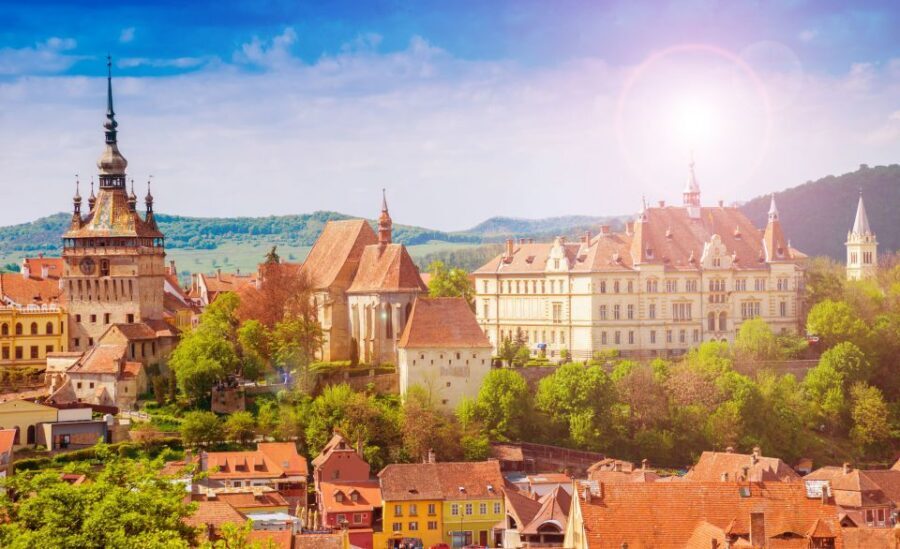
The tour wraps up with an explanation of the Clock Tower’s history. That ending works because it brings you full circle. You started next to it, you saw it in its night-light mood, and now you get the why behind the structure and its role in the city’s identity.
This closing portion also gives you something practical: local recommendations for restaurants and bars. That’s underrated. After two hours of walking and learning, you don’t want to gamble on dinner locations. A guide’s suggestions can help you find places that match the evening vibe—simple local cuisine and drinks, with better odds of feeling like you’re part of the town instead of just passing through.
If you’re the type who likes to keep the night moving, this structure helps. You’ll finish the tour already oriented, already warmed up to the citadel’s atmosphere, and ready to pick an easy next step.

Practical Tips for a Smooth Night Walk (Shoes, Photos, and Stairs)
Here’s how to set yourself up for comfort and good results.
First: bring comfortable shoes. The route includes stairs—covered stairs or the scholar stairs—and also walking on uneven medieval surfaces. Second: bring a camera. Night lighting on the Clock Tower, plus views from wall areas, are the kind of scenes that look better in photos than in your memory later.
Now for expectations. Even though the title mentions candlelight, you shouldn’t plan your evening around seeing literal candles. Some people have gone in expecting candlelit atmosphere and found it more like a guided night tour with lighting and storytelling. In other words, go for the night views and the history thread, not for a staged candle setup.
Accessibility is another practical point: this tour is not suitable for wheelchair users. If you or someone in your group needs step-free access, you’ll need a different plan.
Price and Value: What $44 Buys You in 2 Hours
At $44 per person for 2 hours, what you’re really paying for is a focused guide-led route through Sighisoara’s main citadel landmarks. You get a live guide, a clear meeting point, and a structured walk that ties together multiple sites instead of leaving you to connect the dots yourself.
Is it expensive or cheap? It’s neither in a vacuum. It’s fair value if you want someone to explain what you’re seeing as you go—especially in a compact old town where it’s easy to miss details. It’s also good value if you’re short on time. Two hours is enough to cover key stops like the Clock Tower zone, the Church on the Hill, city wall viewpoints, and Dracula’s birthplace narrative.
Just know what’s not included. Food and drinks aren’t included, and hotel pickup isn’t included. That means you’ll want to plan an evening meal on your own after the tour, using the guide’s suggestions as your shortcut.
Who This 2-Hour Dracula Home Town Tour Fits Best
This is a strong pick if you:
- Want a night walk that focuses on Sighisoara’s citadel sites, not a long museum session.
- Like history that stays human and story-driven, centered on places you can actually see and walk between.
- Appreciate guides who can answer questions and keep the pace readable, like the commonly mentioned Cosmina style.
It may be less ideal if:
- You need step-free access due to the stair routes.
- You’re only interested in Dracula lore and want minimal context about the town’s broader medieval setting.
- You were specifically hoping for an obvious candle-lit experience.
If you’re traveling with kids, this can still work because the tour is paced as a walk with interpretation rather than a lecture. Some departures have been described as child-friendly, with the guide able to keep it fun and understandable.
Should You Book This Tour of Dracula’s Home Town?
My call: book it if you want a guided way to see Sighisoara’s medieval core at night while getting context that makes Dracula’s birthplace feel like part of the town, not a disconnected Halloween story.
Skip it or adjust expectations if you’re chasing literal candle scenery or a deep-only Dracula session. This is a town-and-context walk with Vlad Tepes as a major thread.
If you’re unsure, choose this one if you can spare two hours. It’s a clean way to get oriented, see iconic landmarks like the Clock Tower and Church on the Hill, and leave with an evening game plan for food and drinks.
FAQ
FAQ
Where is the meeting point for the tour?
You meet your guide in front of the Clock Tower museum. The guide will be holding a Walking Tour sign.
How long is the Sighisoara candlelight-style tour?
The tour lasts 2 hours.
Is the tour in English?
Yes, the live guide offers English.
What does the tour price include?
The price includes a live tour guide.
Is food or drinks included?
No. Food and drinks are not included.
Is hotel pickup included?
No. Hotel pickup is not included.
What should I bring?
Wear comfortable shoes and bring a camera.
Is the tour wheelchair accessible?
No. It is not suitable for wheelchair users.
What is the cancellation policy?
You can cancel up to 24 hours in advance for a full refund.