REVIEW · SIBIU
SB02-Half day Surroundings of Sibiu:Saxon Heritage &Villages
Book on GetYourGuide →Operated by Carpathian Travel Center · Bookable on GetYourGuide
Sibiu is great, but this ride makes it bigger. You get mountain-road drama on the Transfăgărășan and then step into the Saxon fortified-church world near Sibiu County. The best part is how much context your English-speaking guide adds, turning pretty places into understandable history. One possible drawback: you’ll move at a quick half-day pace, so if you want long stops or slow wandering, this may feel a bit short.
I love that the timing is built around big “wow” moments without wasting hours. The drive toward Bâlea Lake plus a guided stop at Cisnădie Fortified Church hits both nature and medieval architecture.
The only thing to plan for is conditions: the road and weather near the mountains can change fast, so bring layers and expect it may not be a calm, postcard-perfect day.
In This Review
- Key highlights you should care about
- How this half day makes Sibiu feel like the whole region
- The drive on Transfăgărășan: views, but also a story
- What you’ll actually do
- What I’d expect from Bâlea Lake
- A practical tip for the road and timing
- Cisnădie Fortified Church: why churches were also fortresses
- What makes Cisnădie stand out
- What you’ll get from the guide here
- Cisnădioara Fortified Church (Michelsberg Fortress): Romanesque stone on a hill
- Why this stop matters
- The one drawback of this stop
- The pace, timing, and what the 4 hours really feel like
- Seasonal note you should respect
- What’s included (and what you’ll pay out of pocket)
- Is $88 good value?
- The guide makes it (and you’ll see it in how explanations land)
- Who this tour suits best (and who should pick something else)
- Should you book this half-day tour?
- FAQ
- What time does the tour start in Sibiu?
- How long is the tour?
- Where does the tour go?
- What is included in the price?
- What should I bring?
- Is it a private group, and who is it for?
Key highlights you should care about
- Transfăgărășan Road (DN7C), the famous mountain drive created as a 1970s military route
- Bâlea Waterfall and Bâlea Lake for a serious alpine-feeling break
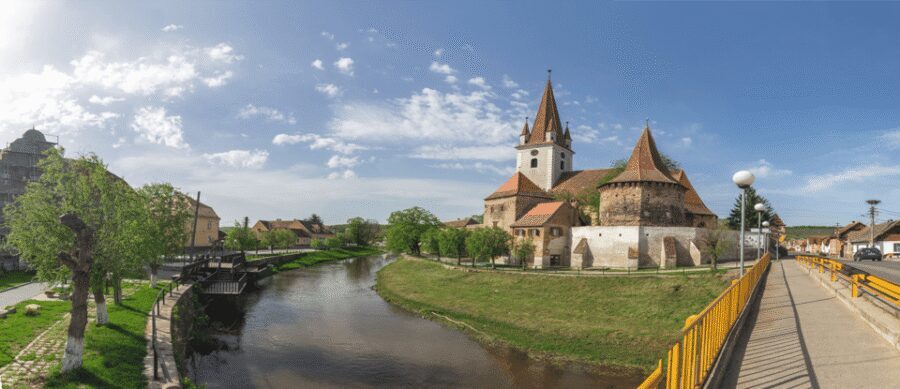
- Cisnădie Fortified Church with defensive towers and a clock tower tied to early mechanical timekeeping
- Cisnădioara Fortified Church (Michelsberg Fortress) on a hill with Romanesque stone and wide views
- Private, English-led tour with a driver who keeps things smooth and on schedule
How this half day makes Sibiu feel like the whole region
This is the kind of tour that works because it doesn’t try to do everything. It does two things extremely well: it shows you why the Făgăraș Mountains pull people in, and it explains how Saxon communities built churches that doubled as defenses.
For me, the value is in the pairing. A mountain road is just scenery unless you know what you’re looking at. A fortified church can be “nice walls” unless someone explains why those walls existed. Here, you get both. And since it’s only about 4 hours, it fits easily into a packed Sibiu stay without turning your day into logistics hell.
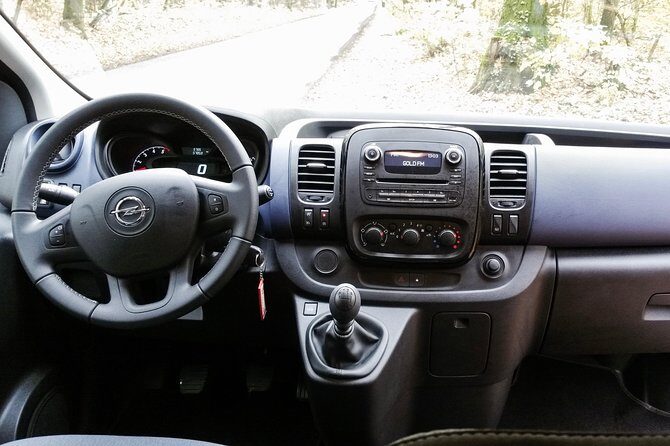
I also like the feel of a private group. You’re not stuck listening to someone ask the same question five times. You can ask about the Romanian context behind the monuments, and the guide can adapt the explanation to your pace—plus you get the comfort of a modern, air-conditioned car or van.
You can also read our reviews of more historical tours in Sibiu
The drive on Transfăgărășan: views, but also a story
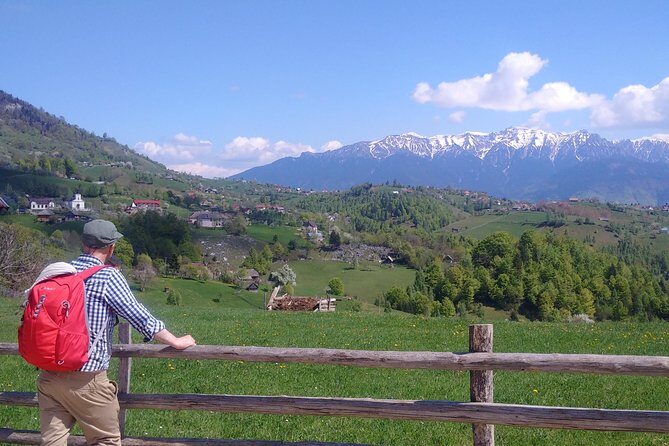
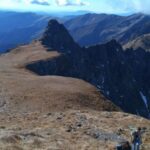
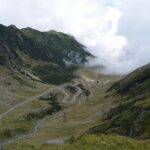
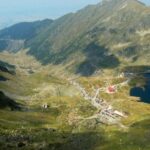
You start from Sibiu at 09:00 (Sala Thalia Hall parking), and the main action begins when the road starts climbing into the Făgăraș Mountains. The Transfăgărășan stretch used here is famous enough that people come specifically for the drive. It’s also historically unusual: the route was built in the 1970s under Nicolae Ceaușescu as a strategic military road. Later, it became a traveler favorite because it cuts through dramatic terrain and rewards you with constant sightlines.
What you’ll actually do
You’ll spend about 1.5 hours on the Transfăgărășan area, including time at:
- Bâlea Waterfall
- Bâlea Lake (with free time to look around)
What I’d expect from Bâlea Lake
Bâlea Lake sits high in the mountains and feels like an outdoor “pause button.” It’s the kind of place where the air changes and you start paying attention to details: rock colors, cliff lines, and the way the peaks crowd the horizon. Even if you don’t do big hikes, you’ll still get time to take photos and enjoy the setting.
A practical tip for the road and timing
This is the segment where you’ll feel the biggest difference between a great day and a miserable one—usually weather, not the plan. If mist rolls in or it’s cold and windy, the lake can feel moody and less “alpine postcard.” Still worth it, but pack for it. In October, conditions can already feel wintry, so bring warm layers even if Sibiu itself looks mild.
Cisnădie Fortified Church: why churches were also fortresses
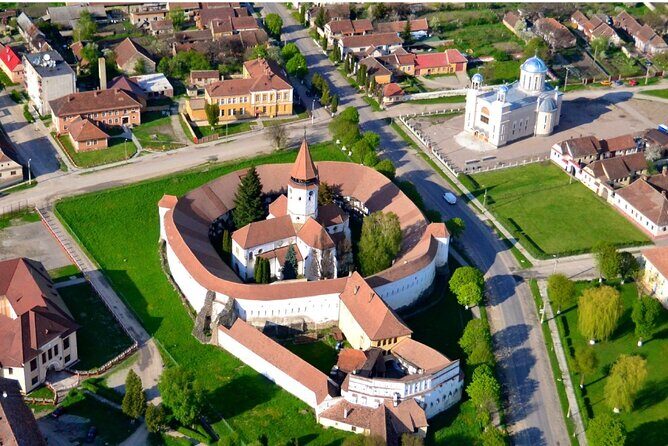
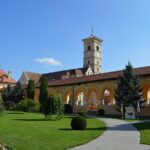
After the mountain break, you shift to Saxon heritage—specifically the fortified village church tradition that shows up across this region. Cisnădie Fortified Church is one of the stops that makes the whole tour click, because it explains how the same building could be religious, civic, and defensive.
What makes Cisnădie stand out
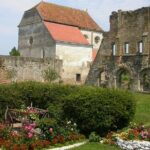
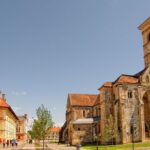
This church started in the 12th century as a Romanesque basilica. Then, in the 15th century, it was fortified to protect the community from invasions. That dual-purpose story matters: medieval life wasn’t separated neatly into “church time” and “danger time.” The architecture reflects that.
Two features you’ll want to notice:
- Defensive towers and the overall fortified look
- The clock tower, described as housing one of the first mechanical clocks in Transylvania, installed in the 14th century
That clock detail is a great example of why a guided stop helps. Without context, you might just admire a tower. With context, you start to see how technology, daily life, and security were tied together.
What you’ll get from the guide here
A strong English-speaking guide (names like Mihai, Ilie, Alex, and Marius come up in this tour’s guide style) doesn’t just recite dates. They connect the monument to how people lived—why a fortified church made sense, how the Saxon presence shaped the area, and what it meant for everyday life around Sibiu.
If you like history that’s grounded in real structures you can still touch, this is the segment.
Cisnădioara Fortified Church (Michelsberg Fortress): Romanesque stone on a hill
Next comes Cisnădioara, a shorter stop but a memorable one: the Fortified Church of Cisnădioara, also known as the Michelsberg Fortress. If Cisnădie is about bigger, well-preserved features, Cisnădioara feels more like a quieter viewpoint—Romanesque church basics, set in stone and elevation.
Why this stop matters
This site is described as one of the oldest Romanesque-style churches in Transylvania, built in the 12th century. It’s made of stone and retains Romanesque features—simple, sturdy walls. That “plain but solid” style is part of the charm. It doesn’t try to wow you with decoration; it impresses you by existing for centuries and by the way it still reads as a fortified community structure.
It also sits on a hilltop, so you’ll have a commanding view of the surrounding area. Even if you don’t linger long, that view gives the place emotional weight. You start to understand why people chose this kind of elevation: visibility, control, and safety.
The one drawback of this stop
It’s only about 30 minutes here. That’s enough for a guided explanation and some looking around, but not for slow, long photo sessions or a second round of wandering. If you’re the type who always wants “five more minutes,” just know the schedule is tight.
The pace, timing, and what the 4 hours really feel like
The plan runs like this: you depart 09:00, then settle into the Transfăgărășan segment around late morning, followed by Cisnădie and then Cisnădioara, before returning to Sibiu by about 16:00.
In other words, it’s not a “sit and sip coffee” tour. It’s a drive-and-walk combo with guided time built in. That’s good if you want structure and answers. It can feel fast if you want to linger for independent exploration.
Seasonal note you should respect
This tour operates from June through October, and it runs on Monday, Wednesday, Friday, and Saturday. If you’re visiting in a different month, availability and timing may not match this exact pattern, so check dates carefully.
What’s included (and what you’ll pay out of pocket)
You’re paying $88 per person for a half-day that includes real costs that add up when you do it yourself: transportation, an English-speaking specialized guide & driver, parking and road taxes, and a map.
What’s not included:
- Entrance fees
- Photo fees
- Food and drinks
Is $88 good value?
For a 4-hour private-group tour with a guide, English interpretation, and all the driving handled, $88 is generally strong value—especially if you’d otherwise be trying to line up a driver, navigate rural roads, and then pay for separate guided time at two fortified churches plus a mountain highlight. You’re also not paying for fuel, parking, or road costs directly. The only “gotcha” is that you’ll still need to budget for any entrances and bring your own snacks/water plan.
The guide makes it (and you’ll see it in how explanations land)
This type of tour lives or dies by the guide. The best version is when someone can take a clock tower, a fortress church, and a military road and explain why each one is connected to how people survived, organized, and measured time.
Based on the tour’s guide style, you may encounter guides such as Mihai or Ilie, known for clear English, safe driving, and explanations that go beyond monuments. Topics that can come up include environmental context, Romanian history, and how society works today in rural areas.
I like this approach because it prevents the tour from becoming a checklist. You don’t just see places—you learn how to “read” them.
Who this tour suits best (and who should pick something else)
This works especially well for:
- You’re spending a few days in Sibiu and want more than city-only sightseeing
- You like Saxon heritage and want it explained with real architectural examples
- You want mountain scenery without committing to a full-day hike
- You prefer a private setting with an English guide who can keep things moving smoothly
It might not be the best fit if:
- You hate short time limits at each stop
- You want deep free time at one location rather than a balanced route
- You’re planning this for early-morning people who dislike mid-day schedule changes (the tour is structured, not flexible in length at each stop)
Also, it’s stated as not suitable for people over 95 years.
Should you book this half-day tour?
If you’re the kind of traveler who wants one efficient afternoon that explains the region, I’d book it. The combination of Transfăgărășan road drama plus fortified Saxon churches is a smart use of time, and the guide component helps you get more from each stop than you’d manage alone.
Book it if you want:
- A quick history-and-scenery sampler that doesn’t leave you exhausted
- A guided look at why these churches were built for safety, not just worship
- Easy logistics from Sibiu, handled for you
Skip or reconsider if you’re craving long wandering time at just one location. This tour is built for momentum, not extended lounging.
FAQ
What time does the tour start in Sibiu?
It departs at 09:00 from Sala Thalia Hall Parking.
How long is the tour?
The duration is 4 hours.
Where does the tour go?
You’ll drive along the Transfăgărășan Road toward Bâlea Lake, then visit Cisnădie Fortified Church and Cisnădioara Fortified Church, before returning to Sibiu.
What is included in the price?
Included are transport (modern air-conditioned car/van), an English-speaking guide & driver, parking/road taxes, and a map with Romania.
What should I bring?
Bring a passport or ID card. It’s also smart to bring layers in case mountain weather changes.
Is it a private group, and who is it for?
It’s a private group tour. It’s not suitable for people over 95 years, and a minimum of 2 participants is required for a guaranteed departure.