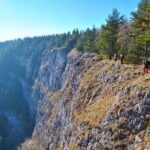
Four stops, one long countryside day. From Iasi, this private drive strings together Moldavia’s spiritual sites, rural living, and big open views around the Carpathians. I especially like how Neamţ Monastery and the Neamţ Citadel blend faith, history, and hilltop panoramas.
I also love the hands-on culture at the end of the day. At the Nicolae Popa Museum, you can try on Romanian folk costumes and see how regional identity shows up in symbols, crafts, and traditional attire.
One thing to plan for: this runs about 12 hours, and lunch isn’t included—so you’ll want to treat food as part of your schedule.
In This Review
- Key highlights at a glance
- How the drive out of Iasi sets the tone
- Neamţ Monastery: a 15th-century center of faith and art
- Neamţ Citadel: the hilltop story with Mehmed the Conqueror
- Bison reservation stop: wildlife in the countryside air
- Agapia Monastery and rural villages: how people live when time slows down
- Nicolae Popa Museum: folk costumes, symbols, and crafts you can see
- Price and value: what $173.53 covers in a long private day
- Timing and stamina: the 12-hour reality check
- What kind of traveler should book this?
- Should you book this rural day from Iasi?
- FAQ
- What time does the tour start?
- How long is the tour?
- Do you pick up from my hotel in Iasi?
- Is there an English-speaking guide?
- Are entrance fees included?
- Is lunch included?
- Is transportation included?
- Is this a private tour?
- What’s the cancellation policy?
Key highlights at a glance
- Private pickup and drop-off from Iasi in a modern vehicle, with hotel convenience built in
- Neamţ Monastery (15th century), a classic example of Moldavian architecture and regional spiritual life
- Neamţ Citadel viewpoints from a strategic hilltop with a siege story tied to Mehmed the Conqueror
- Rural Agapia commune living, including horse-drawn carts and cooking over an open fire
- Bison reservation encounter, for wildlife time without the zoo vibe
- Nicolae Popa Museum costume try-on, plus folklore and handicrafts you can actually see up close
How the drive out of Iasi sets the tone
This is the kind of day trip where the road matters. You start with pickup at your hotel in Iasi, then you move beyond the urban edges into northeast Romania’s quieter countryside. The pace is relaxed but full—think one day that feels like several different eras of Moldavian life.
Because it’s private, you’re not stuck with awkward timing or constant regrouping. Your guide keeps things moving, and you get bottled water along the way, which helps when the schedule is packed.
You’ll also want to dress for real countryside conditions. Even when the day starts calm, it can feel cooler or windier near monasteries and viewpoints, so a light layer is a smart move.
You can also read our reviews of more tours and experiences in Iasi.

Neamţ Monastery: a 15th-century center of faith and art
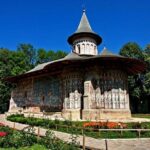
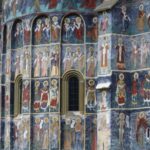
The morning centers on Neamţ Monastery, one of the oldest monasteries in Romania. It’s also a strong example of traditional Moldavian architecture, so you’re not just looking at pretty stone—you’re seeing a style that shaped local religious culture for centuries.
You get about an hour here, which is enough time to slow down. Focus on how the buildings fit the setting and how the monastery’s presence changes the mood compared to the road outside. This is also the stop where you’ll likely notice the day’s theme: history isn’t a lecture; it’s visible.
Practical note: monasteries usually reward respectful behavior and comfortable walking shoes. If you plan to take photos, be ready to adjust angles and wait for your moment—quiet spots and stone surfaces can make good images.
Neamţ Citadel: the hilltop story with Mehmed the Conqueror
After the monastery, you head to Neamţ Citadel, positioned as a key military stronghold. One detail worth remembering as you look out over the surrounding hills: the citadel survived a siege connected to Ottoman Sultan Mehmed the Conqueror. That context gives the views a purpose.
The payoff is the panoramic outlook. Standing on a strategic hilltop like this, it’s easier to understand why people fought for this ground. You’ll likely spend time not only looking outward, but also imagining movement—paths, barriers, and where attackers would have concentrated.
This is a great stop if you like history with geometry. Instead of only reading names and dates, you’re seeing how location shapes events.
Bison reservation stop: wildlife in the countryside air
Between monasteries and villages, the day takes a nature turn with a visit to a bison reservation. Even if you’ve seen wildlife in other countries, this kind of stop feels different because the setting is rural and open, not inside a fenced-city attraction.
The value here is simple: it gives you a breathing space. After stone buildings and cultural sites, wildlife time helps reset your energy before you head into the more hands-on parts of the day.
Bring a camera if you have one, but also don’t forget your eyes. From a reservation, the best moments often happen when you stop rushing to frame the shot and just watch for movement.
Agapia Monastery and rural villages: how people live when time slows down
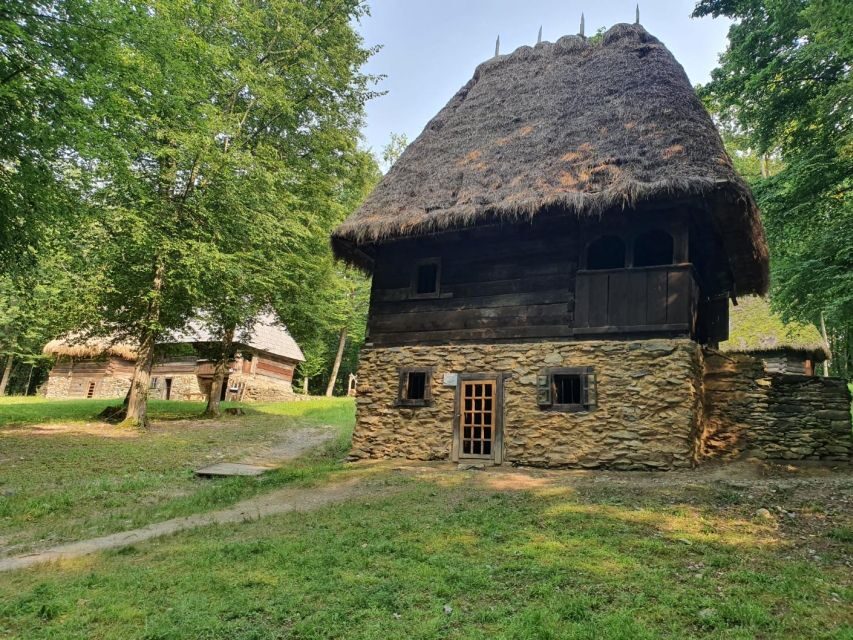
Next comes the heart of the rural experience: Agapia and the surrounding commune. This is where the tour leans into everyday traditions instead of just monuments. You’ll visit the Agapia Orthodox Monastery, then spend time in charming villages where rural routines are still practiced.
Two details make this stop memorable. You may see locals using horse-drawn carts, and you can also witness cooking over an open fire using homegrown produce. Those aren’t “extras”—they’re the entire point of this day. It’s a look at how culture continues through daily habits, not just ceremonial events.
The time you spend here is also a good reality check for visitors. In cities, traditions often become performances. In villages like these, they still function as solutions for work, cooking, and transport.
A practical tip: villages can mean uneven surfaces and unpredictable weather. If you’re photographing, take a moment before you move into a road or yard area, and keep your pace steady so you don’t trip or distract.

Nicolae Popa Museum: folk costumes, symbols, and crafts you can see
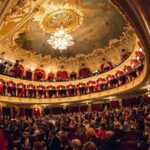
The day finishes with culture that you can touch—literally, in some ways. At the Nicolae Popa Museum, you’ll look at regional folklore, handicrafts, and attire. This is where the country-life theme becomes easier to carry home with you because you get to understand what the symbols and clothing mean.
One of the most fun parts is the chance to try on traditional folk costumes and pose for pictures. For many people, this turns a history-and-crafts visit into a personal memory. Even if you only wear it for a short time, you get a feel for how these outfits are designed and how people mark regional identity through clothing.
If you’re the type who likes to understand the “why,” take time to notice costume elements—patterns, colors, and recurring symbols. The museum’s whole focus is national costumes and their meaning.
This stop is ideal for photos, but it’s also worth it for the craft side. If you enjoy handmade details, you’ll probably find yourself lingering a bit longer than you planned.
Price and value: what $173.53 covers in a long private day
At $173.53 per person, this tour sits in a “serious day trip” price range, but it’s not just paying for sightseeing. You’re paying for a private full-day plan with pickup and drop-off, a professional English-speaking guide, transportation in a modern vehicle, and entrance fees.
You also get bottled water, which sounds small, but adds up on a long day. The biggest cost not included is lunch, listed at around €12 per person.
So is it good value? For me, yes—if you care about having the day shaped for you. Private routing matters when you want smooth transitions between the monastery, citadel, rural villages, and the museum without the hassle of organizing everything yourself. It also helps if you’re traveling in a small group and want a guide to answer questions as you go.
One more scheduling tip: this is often booked about 8 days in advance. If you’re traveling in busier periods, aim to lock it in sooner rather than later.
Timing and stamina: the 12-hour reality check
The tour runs about 12 hours and starts at 8:00 am. That means you should treat this like a full workday, not a casual stroll.
Here’s how to make it feel easier:
- Plan for at least one real meal outside the tour schedule, since lunch isn’t included.
- Wear shoes you can walk in for multiple stops, including viewpoints and monastery areas.
- Keep your phone charged. A day like this gives you lots of chances for photos and quick reference notes.
Also, the experience requires good weather. If conditions are poor, the operator may offer a different date or a full refund, so don’t wait until the last minute if you’re traveling with tight plans.
What kind of traveler should book this?
This fits best if you want more than a checklist of famous sites. You’re getting a blend: religious architecture, a military stronghold viewpoint, rural village life with traditional routines, wildlife time, and a museum stop with hands-on costume experience.
It’s especially good for:
- couples or friends who want a private day without group hassles
- visitors who like history that connects to geography (citadel viewpoints)
- people who want culture that isn’t only indoor or staged (Agapia villages and open-fire cooking)
- families with older kids, since children must be accompanied by an adult
If you’re chasing a slow, beach-like pace, you might find it too busy. But if you enjoy making a full day count, this tour is built for that.
Should you book this rural day from Iasi?
I’d book it if you want a single-day route that shows Moldavia’s identity in several forms: stone, skyline, village life, and folk art. The best reason is the mix—Neamţ Monastery, the citadel viewpoints, and the Agapia rural living give you a storyline, not just separate stops. Add the Nicolae Popa Museum costume experience, and you get something memorable even if your travel style is more practical than sentimental.
Skip it if you strongly dislike long days or if you’re relying on lunch being included. Also, if your plans are weather-fragile, keep an eye on conditions since the day needs good weather to run smoothly.
If you’re in Iasi and you want an authentic countryside day you can’t easily copy on your own, this is a solid choice.
FAQ
What time does the tour start?
The start time is 8:00 am.
How long is the tour?
It lasts about 12 hours.
Do you pick up from my hotel in Iasi?
Yes. Hotel pickup and drop-off are included.
Is there an English-speaking guide?
Yes. The tour includes a professional English-speaking guide, and it may be operated by a multilingual guide.
Are entrance fees included?
Yes. Entrance fees are included in the tour price.
Is lunch included?
No. Lunch is not included (listed at about €12 per person).
Is transportation included?
Yes. You’ll ride in a modern vehicle with transportation included.
Is this a private tour?
Yes. It’s private, so only your group participates.
What’s the cancellation policy?
You can cancel for a full refund up to 24 hours before the experience’s start time. The experience requires good weather, and if it’s canceled due to poor weather you’ll be offered a different date or a full refund.