REVIEW · BUCHAREST
Private Tour: Story of Communism in Bucharest
Book on Viator →Operated by Yolo Tours Romania · Bookable on Viator
History here has sharp edges. This private, hotel-based day gives you a fast, guided way to understand Romanian communism through the trail of Nicolae Ceausescu and the 1989 Revolution, including the human cost behind the headlines. I like how the tour pairs landmark stops with real context, and the Targoviste execution-site museum turns a dark moment into something you can actually see and understand.
The biggest thing to plan for is that the day starts early, and entrance/photo fees plus lunch are not included—so bring budget and don’t assume every stop is included. Still, for many people, the payoff is in having everything stitched together into one clear story without you needing to map it all yourself.
In This Review
- Key highlights before you go
- Why this private communism story makes Bucharest click
- The 7:30 am start: timing, transport, and what to wear
- Targoviste Military Base: seeing the execution story in person
- Palace of the Parliament: the People’s House, explained with real cause-and-effect
- Revolution Square: where the 1989 Revolution started, plus a memorial you’ll remember
- Communist-era neighborhoods: spotting the everyday face of the system
- The photo gallery memorial and the end back at your hotel
- Price and value: what $111.32 buys you in an 8-hour private day
- A quick note on communication: double-check your contact details
- Who should book this tour (and who might not)
- Should you book this private communism tour?
- FAQ
- What time does the tour start?
- How long is the tour?
- Is this a private tour?
- What’s included in the price?
- What isn’t included?
- Can I get a refund if I need to cancel?
Key highlights before you go
- Private guide, private pace: you move with only your group for about 8 hours.
- Targoviste execution-site museum: see the former military barracks turned public museum tied to 1989.
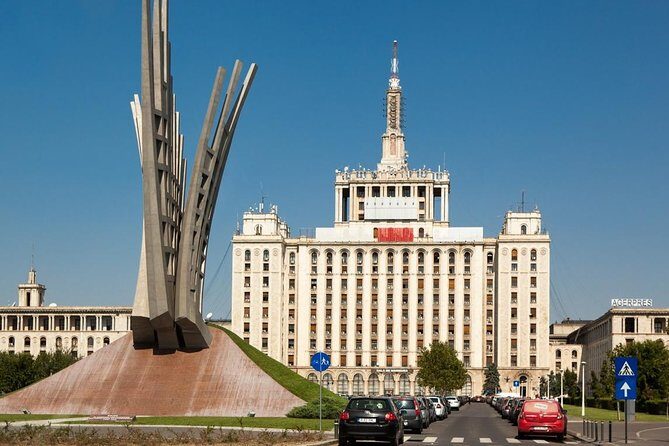
- Palace of the Parliament interior: understand why it’s called the People’s House and what the regime built it for.
- Revolution Square memorial details: trace where the 1989 Revolution kicked off in Bucharest.
- Communist neighborhoods drive-by: spot the socialist apartment blocks from outside the core center.
- Hotel pickup and drop-off: you start at 7:30 am and end back at your hotel.
Why this private communism story makes Bucharest click
Bucharest can be confusing at street level: one block looks normal, the next has a huge political monument, and it’s easy to miss why any of it matters. This tour helps you connect the dots between buildings, protests, fear, and power—without you having to build the timeline yourself.
You’ll spend the day following a very specific thread: Ceausescu’s rule, the public machinery around it, and then the break in 1989. That’s what makes this more useful than just snapping photos at famous points. I also like the way the day includes both the big-state symbols and the evidence of what happened to people caught in the system—because that contrast is the whole point.
On top of that, the tour runs as a private format with an English-speaking guide and air-conditioned car/minibus. It’s not trying to be a marathon walking tour. You get a long day, but you’re not constantly lost in transit.
You can also read our reviews of more private tours in Bucharest

The 7:30 am start: timing, transport, and what to wear
The tour kicks off at 7:30 am, meeting at your central Bucharest hotel. That early start matters because you’re not staying inside Bucharest only—you’ll drive about 1.5 hours to reach Targoviste, then return for the main Bucharest stops.
You’re traveling by comfortable air-conditioned car/minibus, so you’ll have real breaks from the streets. Still, the day can feel long because it’s an 8-hour program with driving time and multiple stops. If you’re sensitive to early mornings, plan for a proper evening before and pack water.
Dress for a normal city day, plus whatever the weather is doing. You’ll be outside for at least parts of Revolution Square and the neighborhood photo moments, and you’ll spend time inside major sites as well.
Targoviste Military Base: seeing the execution story in person
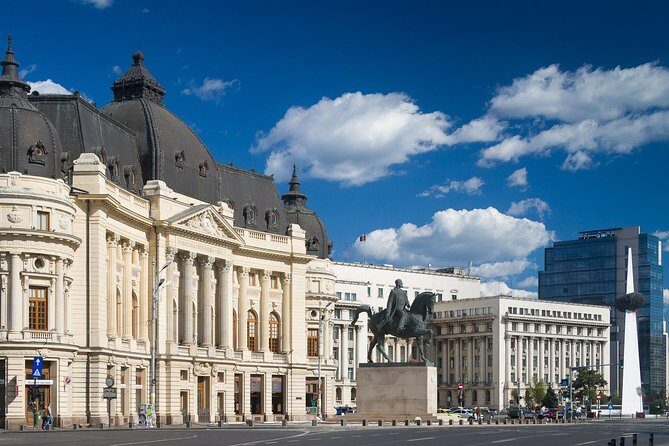
The most intense part of the day is the trip to Targoviste, a town in south-eastern Romania that became internationally known for the 1989 executions of Nicolae and Elena Ceausescu. Your ride takes you out of Bucharest first, and that distance helps you mentally shift from city sightseeing to a more grounded historical stop.
At the center of it is the former military barracks that were later turned into a museum and opened to the public. Seeing a site that was built for soldiers and then turned into a public place of memory does something you can’t get from a book summary. You get the feeling of how fast the power structure collapsed—and how quickly the world moved from dictator to evidence.
This stop also tends to anchor the rest of the tour. After Targoviste, Bucharest landmarks like the Parliament Palace and Revolution Square stop being just impressive architecture. They become part of the same story: the regime’s attempt to control the state and the people, and the moment that control broke.
Practical tip: this is a heavy topic. If you’re the type who likes to take breaks, use transitions—car time back to Bucharest is a good time to let the information settle.
Palace of the Parliament: the People’s House, explained with real cause-and-effect
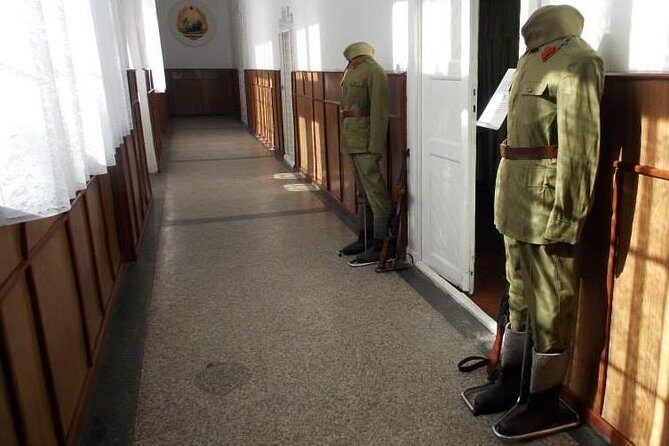
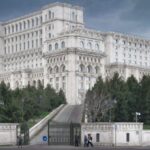
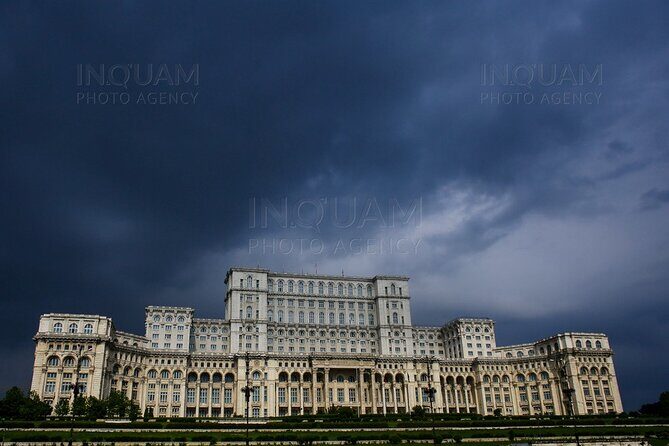
Back in Bucharest, the tour includes an interior visit to the Palace of the Parliament, widely described as the second largest building in the world after the Pentagon. It’s hard to walk away from a place like this without feeling something, but the real value is in what the guide connects it to.
The Palace was designed and nearly completed under the Ceausescu regime as a seat of political and administrative power. The regime called it the House of the Republic, but many Romanians call it the People’s House. The nickname matters, because it gives you a contrast to test in your head: whose people were actually served by a building of this scale?
Inside, you’ll be seeing the physical expression of how the regime wanted to look—big, permanent, and untouchable. And once you’ve got that frame from the guide, you’ll notice details differently. Instead of just thinking this is grand architecture, you’ll start seeing it as political messaging.
One consideration: it’s a major stop, so keep an eye on how long you spend inside vs. how much time you want for photos. Entrance and photo fees aren’t included, so if you care about photography, plan for additional charges.
Revolution Square: where the 1989 Revolution started, plus a memorial you’ll remember
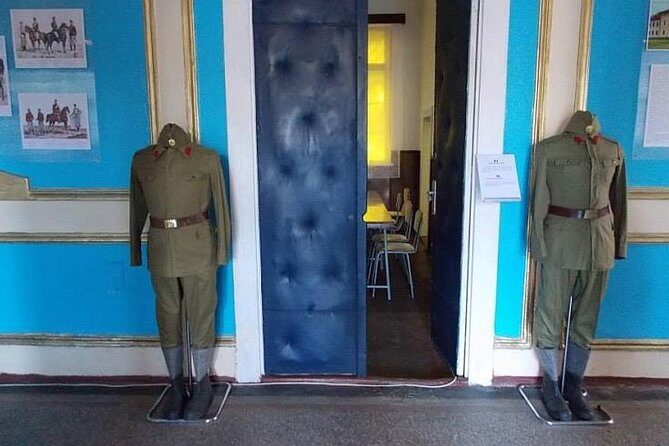
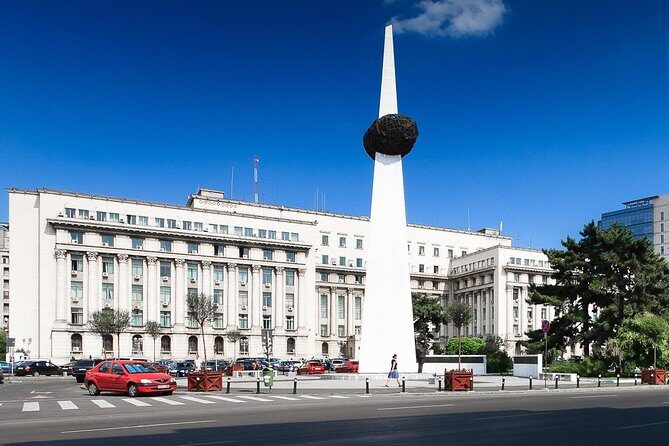
Next comes Revolution Square, and this stop is less about one building and more about a whole moment in time. It’s where you’ll see former communist offices of Ceausescu and also the site where the 1989 Revolution started in Bucharest.
What I find most powerful here is the memorial side of the story. You’ll encounter a memorial plaque listing the names of people who died fighting for freedom, plus a monument dedicated to their memory. That’s the piece that turns abstract “revolution” talk into something specific—names, loss, and a clear link between events and consequences.
If you want to understand communism beyond politics, this is where it becomes personal. The square tells you that the system wasn’t only oppressive from the top down; it faced resistance too, and people paid for that resistance.
Photography note: photo fees may apply at certain sites, so if you’re trying to shoot without stress, bring your camera habits in line with what’s allowed once you get there.

Communist-era neighborhoods: spotting the everyday face of the system
After the major landmarks, the day shifts to something more everyday: communist-era neighborhoods. You’ll drive out beyond the center and look at the communist apartment buildings that shaped daily life.
This part isn’t about one famous monument. It’s about patterns—how housing and urban design can reflect control, priorities, and scarcity. Even from the car, you’ll likely notice how these apartment blocks give the city a particular rhythm, and that helps you understand communism as a system that lived with people every day.
It also balances the mood of the morning. Targoviste hits hard, the Palace is imposing, Revolution Square is emotional. Neighborhoods bring you back to routine—how a regime’s worldview becomes concrete in the streets you walk.
If you like photo stops, ask yourself what you want your photos to show: architecture, street life angles, or the scale of apartment blocks from a distance. Because this is a drive-and-view portion, getting the shot you imagine may depend on where you’re positioned and when you get time out of the car.
The photo gallery memorial and the end back at your hotel
The tour includes access to a photo gallery Memorial to the Victims of Communism and Resistance. Even when you don’t know the names from memory, galleries like this do the same job a great textbook chapter does: they organize the emotional weight into an understandable arc.
This memorial/photography element is valuable because it keeps the tour from becoming just a list of power-era sites. You’re reminded that communism wasn’t only policies and buildings. It was people—victims, resistance, and a long aftermath.
Your day ends the same way it started: drop-off back at your hotel. That matters more than it sounds. On a topic this intense, you don’t want to hunt for transit or figure out logistics at the end.
Price and value: what $111.32 buys you in an 8-hour private day
At $111.32 per person, you’re paying for a private, guided structure and the time cost of doing it efficiently. You’re also paying for transport from Bucharest to Targoviste and back—roughly 1.5 hours each way—plus the hotel pickup and drop-off.
If you tried to DIY this, you’d still need transport, a way to interpret what you’re seeing, and a plan for how to connect sites into a timeline. A private English-speaking guide handles that structure. That’s the real value: they help you understand what each place meant and how it fits with the others.
Is it cheap? No. But several guides associated with this kind of program are praised for being prepared and passionate, and that’s the part you can’t easily replicate on your own. For example, Diana is singled out for thorough preparation, Cristian for smooth driving support, Christian for entertaining explanations and passion for the topic, and Claudio for excellent guiding—despite a separate communication problem that affected reaching guests on time.
So I’d frame the price like this: you’re buying clarity and comfort, not just transportation. If you want a guided story with no guesswork, it can feel fair. If you only want photos and don’t care about historical framing, you might decide to spend less elsewhere.
A quick note on communication: double-check your contact details
One important caution comes from a real-world mishap: a guide named Claudio was described as excellent, but the booking channel gave him the wrong phone number, so messaging about the trip was missed. That means your experience can hinge on whether the right contact info gets used.
My practical advice: when you book, verify that the phone number and email connected to your reservation are correct. Also, plan to be reachable and ready around the 7:30 am start time so you don’t end up playing phone tag first thing in the morning.
The tour provider is Yolo Tours Romania, and they do include assistance during the trip, but you still want your details to match so day one runs smoothly.
Who should book this tour (and who might not)
This private “Story of Communism in Bucharest” is a strong fit if you want context. If you enjoy understanding why places look the way they do—how political power shapes architecture and daily life—this day gives you that cause-and-effect chain.
It’s also a good match if you prefer comfort and structure. Pickup, air-conditioned transport, and a private guide are all built in, and the day ends with a direct hotel drop-off.
You might skip it if:
- You only want a light overview and are not interested in heavy historical material like executions and political repression.
- You don’t want to deal with extra site fees (entrance/photo fees) or the fact that lunch isn’t included.
- You can’t handle an early start at 7:30 am.
If you’re visiting Bucharest for the first time and want one focused day that ties together the 1989 Revolution story, this format tends to make the city “make sense” fast.
Should you book this private communism tour?
I’d book it if you want an organized, English-guided run through communist-era Bucharest that doesn’t stop at monuments. Targoviste, the Palace of the Parliament, and Revolution Square hit the key nodes of the story, and the communist neighborhoods plus memorial photo gallery keep it grounded in everyday reality and human cost.
I’d think twice if you’re strictly budget-focused and want everything included, because entrance/photo fees and lunch aren’t part of the package. Also, if early mornings stress you out, plan ahead for the 7:30 am start.
If your goal is a clear historical route with a guide who can explain it in plain language, this is one of the better ways to spend an 8-hour day in Bucharest.
FAQ
What time does the tour start?
The tour starts at 7:30 am.
How long is the tour?
It’s listed at about 8 hours.
Is this a private tour?
Yes. It’s a private tour/activity, and only your group participates.
What’s included in the price?
Hotel pick-up and drop-off, transportation by a comfortable air-conditioned car or minibus, an English-speaking guide, and assistance during the entire trip.
What isn’t included?
Entrance and photo fees aren’t included, and lunch is not included.
Can I get a refund if I need to cancel?
No. The experience is non-refundable and cannot be changed for any reason.