REVIEW · BUCHAREST
Private-Red Patrol Bucharest Flea Market Tour with a Romanian car
Book on Viator →Operated by Red Patrol · Bookable on Viator
Bargain antiques from a retro Dacia ride. This private tour is a feel-for-the-city morning: classic 80s Dacias bring you across Bucharest, then you get hands-on flea-market shopping with a guide who knows where to stand and what to ask for. The one thing to plan for: you’ll spend time walking and browsing, so comfy shoes matter.
I also like how the day mixes street-level shopping with landmark Communism-era stops, including Casa Poporului for photos. Pickup makes it easy to start on time, but you’ll pay for what you buy, drinks, and food out of pocket.
Key things to love about this tour
- 80s Dacia rides that turn a normal neighborhood hop into a proper experience
- Two flea markets with built-in shopping help and time to bargain
- Communism landmarks worked into the route for context and great photo angles
- A fast history stop at Răzoare (short, but visually important)
- Guide-led pace that keeps photo stops smooth and not rushed
In This Review
- Bucharest feels like two cities when you’re riding a classic Dacia
- Bazarul cu Amintiri and Targul Valea Cascadelor: where bargaining becomes a sport
- Răzoare and the Colonel’s Quarter: a quick hit of Soviet-era urban planning
- Parcul Carol I: another flea zone plus the famous red marble monument
- Palace of Parliament photos: a Communism landmark built for dramatic scale
- The guide and the vibe: Serban’s mix of stories, humor, and photo help
- Price and value: what $114.03 gets you (and what it doesn’t)
- Who should book this flea market and classic-car morning?
- Should you book it?
- FAQ
- What time does the tour start?
- How long is the tour?
- Is pickup included?
- Are flea market admission tickets included?
- Will I be able to drive the Dacia?
- What if my group has more than 3 people?
- Do I need to pay for food or drinks?
Bucharest feels like two cities when you’re riding a classic Dacia
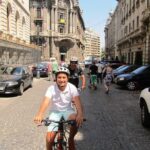
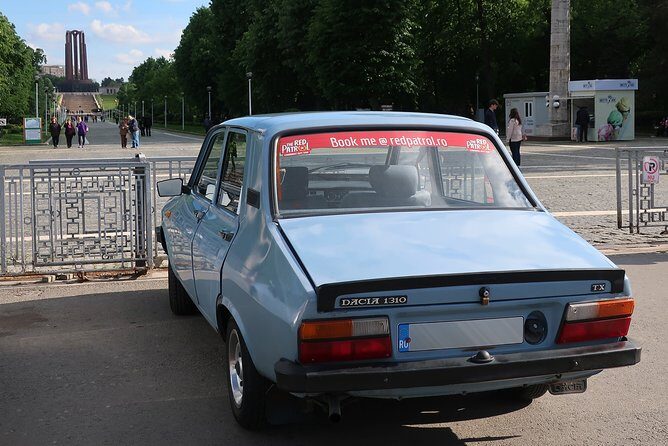
This tour is built around one clever idea: antique shopping works best when you’re actually in the neighborhoods, not just parked at a single market. You start with hotel pickup in Bucharest, then ride in one of the Romanian 80’s Dacias. It’s not just cute. The car makes the route feel like a small urban discovery, and it slows time just enough for you to notice details you’d miss on foot.
The vehicle setup is practical, too. Transportation runs as a guided circuit through the city for about 4 hours, and if your group is bigger than 3 people, you may travel in a convoy of 2 or 3 cars. That helps keep things “private” in practice, not just on paper.
I’d also plan for weather. The cars are heated in wintertime, and you’ll be outdoors during market browsing and photo stops, so pack layers. This is the kind of tour where you’ll likely move from car to market stalls and back again more than once.
One important note: you do not drive the Dacia on this specific tour. If that’s a must for you, the operator points you toward a different tour option.
Bazarul cu Amintiri and Targul Valea Cascadelor: where bargaining becomes a sport
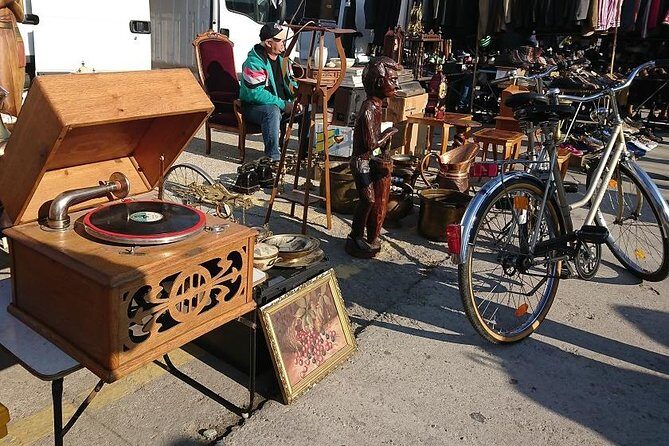
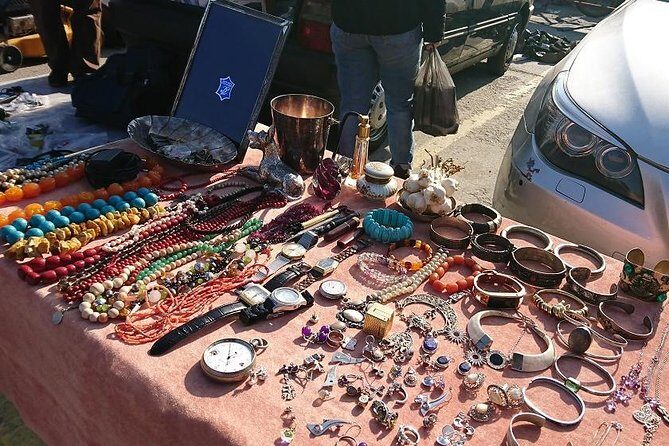
Your first real shopping stop is Bazarul cu Amintiri – Targul Valea Cascadelor, described as one of the biggest Bucharest flea markets, established in the 1980s. This is where the tour earns its name. You’re not just looking—you’re mingling with locals and getting time to shop for everything from everyday objects to collector-style finds.
What you can realistically hunt for here is wide-ranging:
- plates, teapots, and lamps
- magazines, books, stamps
- bags and military coats
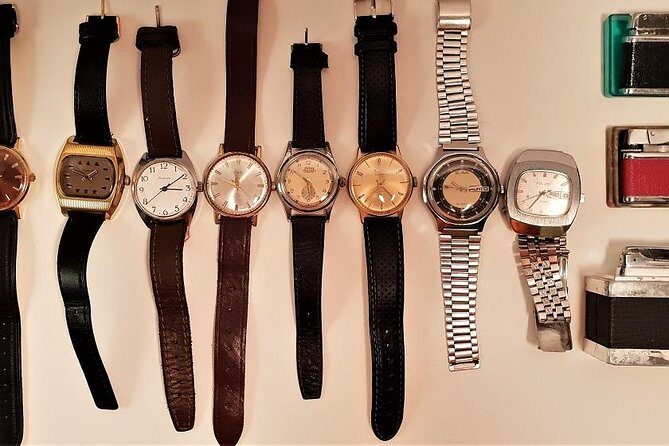
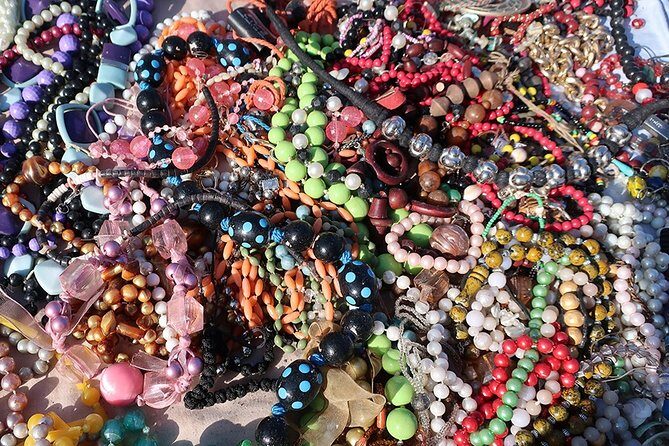
- watches, jewelry
- toys, furniture, and more
The tour includes market admission and a shopping assistance approach, which matters. Flea markets can be chaotic if you don’t know how to ask questions or where to focus first. With help, you get to spend your energy evaluating items instead of translating the whole scene yourself.
Also, yes, prices depend on negotiation. The guide will help you ask and decide, but the real skill is knowing when to keep bargaining and when to walk away. If you’re coming with a clear target—say, postcards, vintage watches, old stamps—you’ll do better than if you’re browsing with no plan.
The main drawback is simple: flea markets reward patience. Even with a 1-hour market slot, you’ll feel tempted to look longer. If you’re the type who hates crowds or doesn’t like standing and scanning, this stop might feel like a push.
You can also read our reviews of more private tours in Bucharest

Răzoare and the Colonel’s Quarter: a quick hit of Soviet-era urban planning
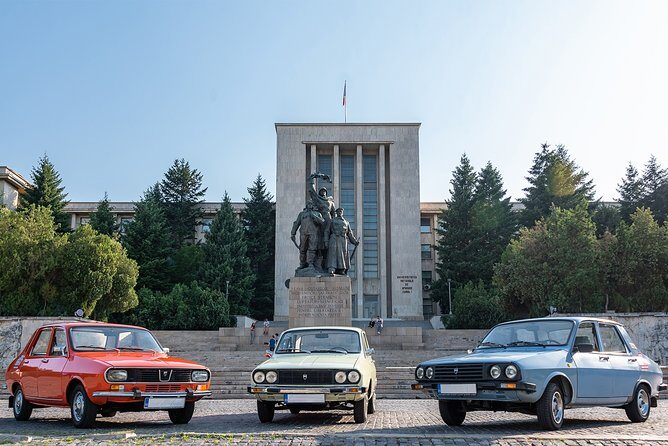
After the shopping adrenaline, the tour shifts gears. The stop at Răzoare, also described as the Colonel’s Quarter, is brief—about 15 minutes—and the ticket is free. This area is tied to Soviet occupation and the early postwar period, with living areas built in the 50s under a Soviet urban project.
Why this works on a flea market tour: it gives you context fast. You’ll see how the city’s history isn’t only in museums. It’s in the shapes of neighborhoods, the planning decisions, and the feeling of space. Even when you only get a short stop, you come away with a clearer mental map of Bucharest’s layers.
This is also a good pause between markets. You’re not forced to sit through a long lecture. Instead, you get just enough explanation and photo time to make the next landmark stop hit harder.
Parcul Carol I: another flea zone plus the famous red marble monument
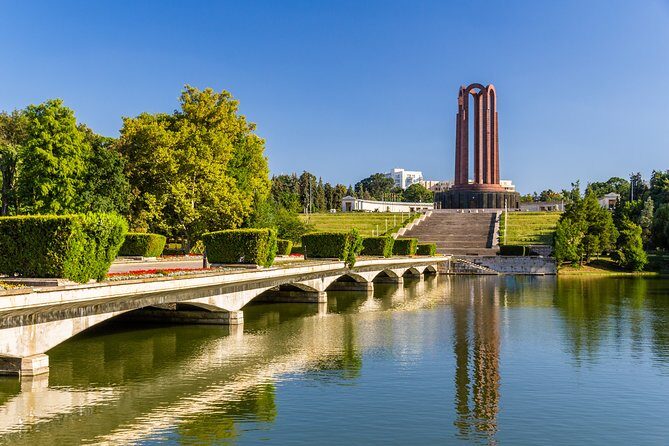
Next comes Parcul Carol I, where there’s another flea market visit near the park entrance. This part is about browsing again, but with a different atmosphere. You’re not only searching for old objects—you’re also transitioning into a park walk tied to the political story of the city.
You’ll get roughly 45 minutes total here, including:
- flea market time near the park entrance with shopping assistance
- a walk to see the Mausoleum of Communist Heroes
The mausoleum is described as a 48 m red marble monument built in the 60s. That’s the kind of landmark you don’t forget. And because it’s placed inside a major public park, it gives you a stronger sense of how Communist-era symbols were meant to live in everyday spaces, not just government buildings.
As for shopping at this stop, expect more of the same variety: antiques like old toys, jewelry, plates, lamps, and other objects. You might find items that feel more special than the first market, simply because you’re seeing a different pocket of sellers and a slightly different shopping flow.
The tradeoff is time. Two markets plus a landmark day means you’ll need to prioritize. If you’re serious about buying, treat the first market as your main shopping round, then use this stop to top up or correct course on what you didn’t find earlier.
Palace of Parliament photos: a Communism landmark built for dramatic scale
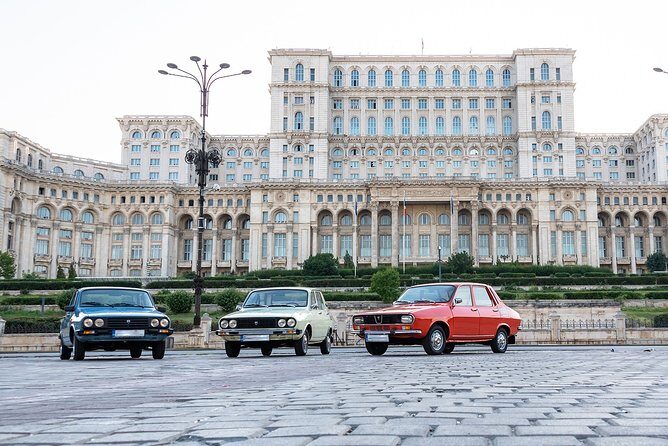
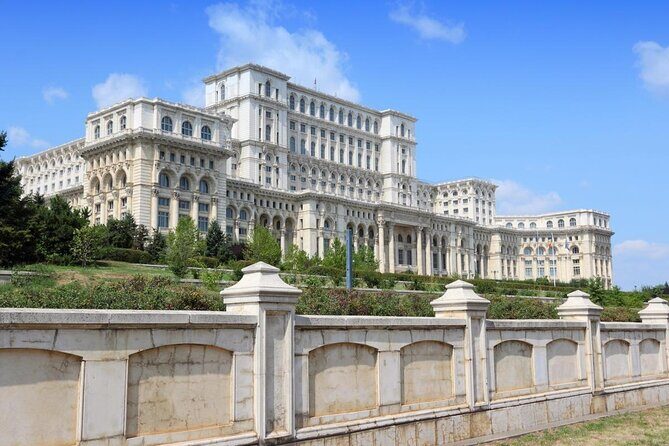
Finally, you reach the big photo moment: the Palace of Parliament (Casa Poporului). This stop is about 30 minutes, and while entrance isn’t included, you do get explanations and photo time.
The tour frames it as a major Romanian Communism landmark, and it notes the building as the second building in the world. Even if you’ve seen pictures before, this is the stop where scale matters. It’s one of those buildings that changes how you see the city around it. From the outside, you’ll also notice how the monumentality is designed to dominate the surroundings.
This is not the kind of stop where you’ll get a long timeline lecture. The value here is direction: the guide helps you understand what you’re looking at so you take better photos and remember more than just the façade.
One more practical point: photo stops are always weather-dependent. If it’s windy or rainy, your “best angle” might take a little improvisation.
The guide and the vibe: Serban’s mix of stories, humor, and photo help
A standout detail from the experience is the guide style. I like tours where the guide can switch between facts and tone without losing the thread. In this case, the name that comes up is Serban, and he’s described as attentive, perceptive, and accommodating to the group’s needs.
That matters on a tour like this. Flea markets are unpredictable. People arrive with different shopping goals and different energy levels. A guide who knows how to read the room can adjust the pace—whether someone wants more shopping assistance or just needs a slightly easier flow.
There’s also a strong emphasis on photos. You’ll be taken to the right moments for pictures and supported in getting them with your group, the classic cars, and the big landmark backdrop. If you’re traveling with family, the guide’s role becomes even more useful. One review specifically highlights how the guide cared about an older mom’s comfort during the day.
If you want history that stays practical—explained in plain terms while you walk around—this format fits well.


Price and value: what $114.03 gets you (and what it doesn’t)
At $114.03 per person, this tour sits in the “worth it if you want convenience plus context” category. Here’s why.
Included:
- Hotel pickup and drop-off within Bucharest
- Professional local guide
- Transport through Bucharest as a guided circuit for about 4 hours
- Entrance ticket for the flea markets
- Bottled water
- A small personalized tour gift
Not included:
- personal shopping expenses
- drinks and food
- Palace of Parliament ticketing (this stop is for photos/explanations)
So you’re paying for more than a ride. You’re paying for access to two flea markets with entry handled, plus a route that connects shopping to the city’s political landmarks. If you were trying to do this alone, you’d spend time figuring out transport, finding the right markets, and guessing what’s worth your effort.
Where the price can feel less fair is if you don’t plan to buy anything. The tour is still a great way to see neighborhoods and learn the context, but the flea market value is tied to shopping.
Also, because the tour is private for your group, you’ll likely feel the price more strongly if you’re solo. On the other hand, if you’re splitting costs with friends, the value tends to rise.
Who should book this flea market and classic-car morning?
This tour is a good match if you want:
- a guided antique hunt with help bargaining and spotting interesting items
- a classic car experience that’s built around real Bucharest street life
- a history component that doesn’t take over the whole day
It’s less ideal if you:
- hate negotiating or don’t enjoy market browsing
- want long museum-style time inside buildings (this is mostly outside and photo-focused)
- need minimal walking or standing time
Because the tour runs in the morning and lasts about 3–4 hours, it’s also smart for travelers who want one strong half-day activity and then free time later for cafés or more exploring on your own.
Should you book it?
Book it if you want Bucharest to feel personal: classic car ride, flea market shopping with local support, and landmark context in one morning. The mix of antiques you can touch and Communism-era sights you can see is the point.
Skip it if you’re the type who wants a calmer, low-effort itinerary. Two flea markets means decision-making, bargaining, and time spent on your feet.
If you do book, come with a simple shopping plan (one or two item types), wear comfy shoes, and be ready to negotiate. That’s how you turn the tour from a sightseeing day into a story you’ll actually keep.
FAQ
What time does the tour start?
It starts at 9:00 am.
How long is the tour?
The experience runs for about 3 to 4 hours.
Is pickup included?
Yes. Hotel pickup and drop-off from Bucharest are included.
Are flea market admission tickets included?
Yes. Entrance Ticket in the Flea Market is included, and the Răzoare stop is free. The Palace of Parliament stop is not ticketed.
Will I be able to drive the Dacia?
No. You won’t drive the Dacia on this tour. If you want to drive, the operator suggests a different tour option.
What if my group has more than 3 people?
Transportation is arranged so that there are 3 people per car. If more than 3 people join, they use a convoy of 2 or 3 cars.
Do I need to pay for food or drinks?
Yes. Drinks or food aren’t included, and personal shopping expenses are also not included.