REVIEW · BUCHAREST
Private Bucharest Communist Tour with the People’s House and Ceausescu Residence
Book on Viator →Operated by Rolandia · Bookable on Viator
Communist Bucharest is bigger than you think. This private day tour spotlights Romania’s harsh Communist-era story through major landmarks, from Ceaușescu’s own residence to the Palace of Parliament, with hotel pickup built in. You’ll also pass key power structures tied to the regime, like the Central Communist Press building known as Spark House.
I love two things about this tour: the included guided access to both big-ticket interiors (Palace of Parliament and Ceaușescu Residence) and the practical setup—professional English-speaking guide, private transportation, plus hotel pickup and drop-off. It’s the kind of day that saves you from figuring out logistics while still packing in the heavy-hitting sites.
One consideration: the day is time-structured around the main monuments, so if you want lots of free wandering or extra museum time, you may feel a bit rushed between stops. Budget for lunch separately, too.
In This Review
- Key points to know before you go
- A private communist day in Bucharest: what makes it worth your time
- Entering the Palace of Parliament: the House of the People in numbers
- Spark House and the Central Communist Press: propaganda’s real address
- Ceaușescu’s neighborhood and the Spring Palace approach
- The Ceaușescu Residential Palace (Spring Palace): from luxury to museum
- Lunch in Soviet-era Bucharest: taking a breather the useful way
- The memorial museum stop: remembering political prisoners and victims
- How the timing and private pickup work (and why it feels easier)
- Price and value check: what $261.65 covers
- Which kind of traveler should book this?
- Small extras your guide may add (based on past experiences)
- Should you book the Private Bucharest Communist Tour?
- FAQ
- How long is the Private Bucharest Communist Tour?
- What does the tour price include?
- Are the main museum tickets included?
- What’s not included?
- Is this a private tour or a group tour?
- Do you offer hotel pickup?
- What language is the tour in?
- Is there an age limit?
- Can I cancel for free?
- When do I need to book by?
Key points to know before you go
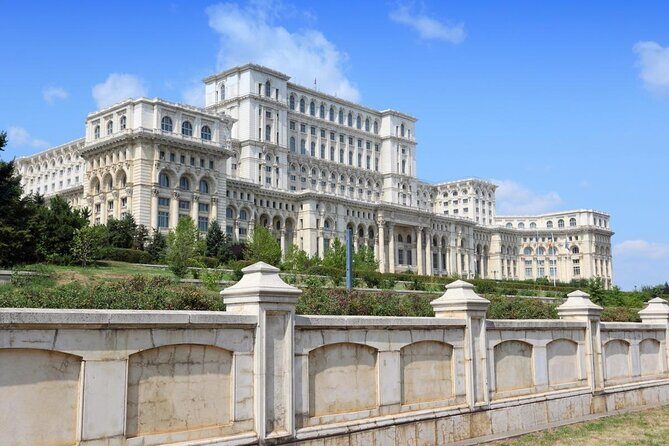
- Palace of Parliament, House of the People: Admission is included, and the scale is the main event.
- Ceaușescu Residential Palace (Spring Palace) as a museum: Built in the mid-1960s and later repurposed for official use and then public visits.
- Spark House (Central Communist Press HQ): You’ll see the media-and-propaganda side of the system.
- A memorial museum focus: You’ll pay tribute to political prisoners and other victims of the regime.
- Door-to-door pickup: Private transportation makes the route feel smooth, even when the sites are far apart.
- Guides bring it to life fast: People highlighted guides like Mihae, Marcel, Ciprian, Bogdan, Nicole, and Alexandra for clear explanations and strong pacing.
A private communist day in Bucharest: what makes it worth your time
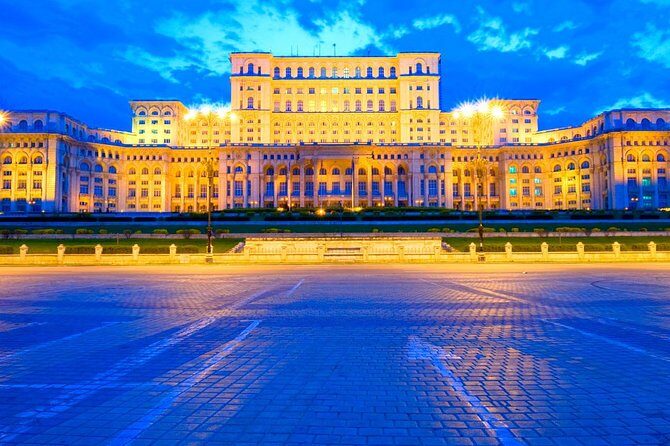
This tour is built around one clear theme: how Communist power shaped Bucharest’s buildings, neighborhoods, and people. You start with the biggest symbol of the regime—the Palace of Parliament—then shift to Ceaușescu’s personal “comfort bubble,” and you finish with a memorial-focused stop that brings the human cost into focus.
The value here is not just seeing famous buildings. It’s seeing how they connect. The day links architecture, control, propaganda, and repression into one route, so you’re not left with random sightseeing stops.
Also, because it’s private and includes pickup and drop-off, you don’t spend your vacation juggling transit. You get a guide, you get tickets to the main interiors, and you keep moving.
You can also read our reviews of more private tours in Bucharest

Entering the Palace of Parliament: the House of the People in numbers
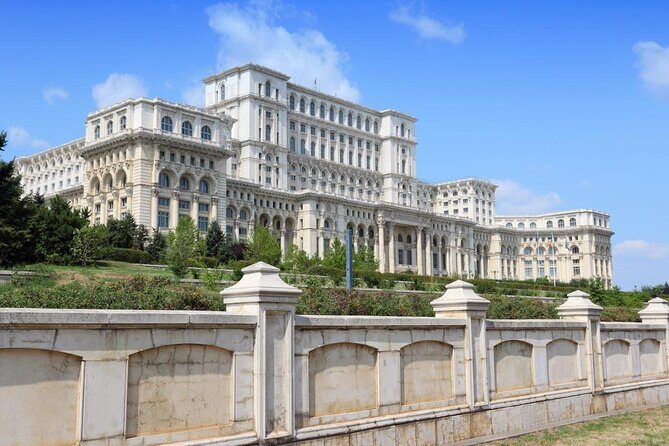
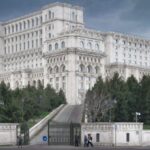
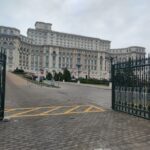
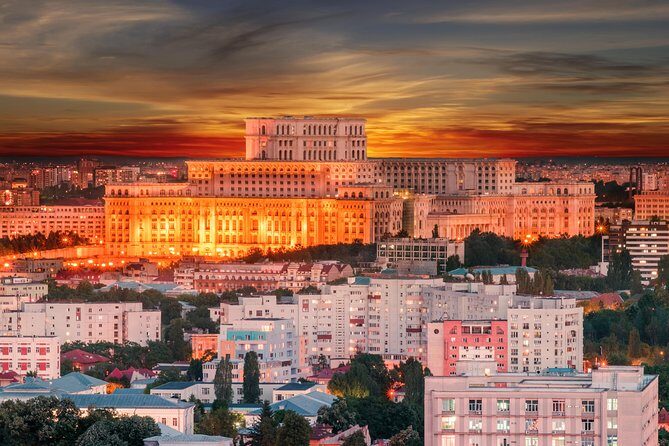
Your first major stop is the Palace of Parliament, sometimes called the House of the People or Ceaușescu’s Palace. Construction ran from 1984 to 1997, and the building is famous for one thing above all: scale. It’s listed as 240 meters long, 270 meters wide, and 84 meters high, and it’s recognized as the largest administrative building in the world.
You’ll have about 1 hour inside, and the admission ticket is included. That timing is tight but workable because this place overwhelms you quickly. The first few minutes are all about orientation—how the spaces feel, how the design communicates authority, and how the sheer size reframes what you thought a government building could be.
A practical tip: photography fees for this location are not included. If you care about pictures, it’s worth planning for that added cost so it doesn’t catch you mid-visit.
Spark House and the Central Communist Press: propaganda’s real address
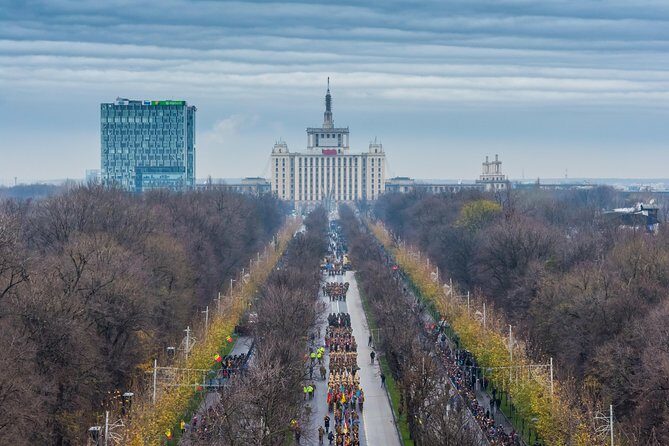
Between the grand monuments, you’ll also see the imposing Spark House, formally known as the headquarters of the Central Communist Press. This matters because Communist power wasn’t only about buildings and arrests. It was also about controlling the story—what people heard, read, and believed.
This stop is one of the tour’s smartest moves, because it shows that propaganda lived in real office spaces, not abstract posters. Even if your main interest is history, you’ll come away with a clearer idea of how messaging was organized and enforced.
There’s a second benefit, too. After the Palace of Parliament, Spark House helps reset your perspective. You’re no longer just looking at monumental architecture; you’re looking at the machinery that supported it.
Ceaușescu’s neighborhood and the Spring Palace approach
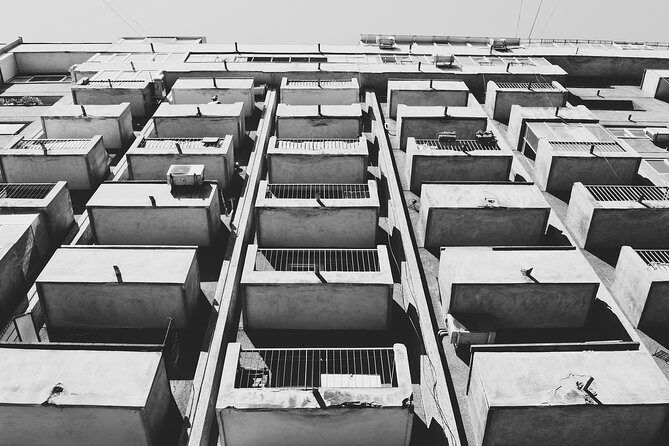
The route includes travel through an area that was formerly less accessible—connected to where Ceaușescu and his family lived. The point here is subtle but important: Bucharest wasn’t just changed in the center. Power shaped residential geography, too.
As you move toward the next stop, pay attention to what the neighborhood feels like in contrast to the monumental zones. That contrast is part of the message of the day: the regime didn’t just build outward displays; it carved out privilege and separation.
If you like architecture and how cities communicate politics through space, this portion gives you context fast.
The Ceaușescu Residential Palace (Spring Palace): from luxury to museum
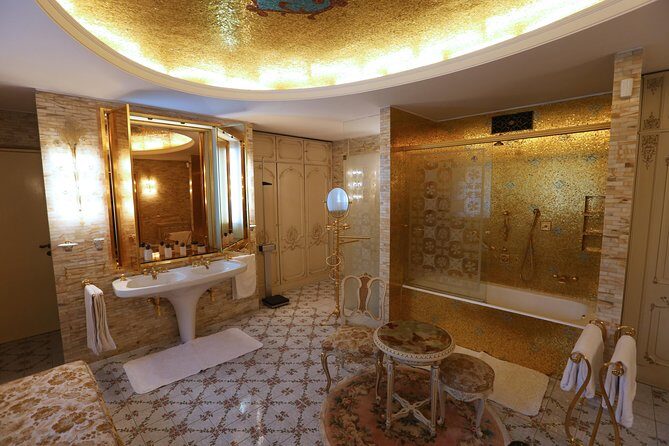
The final landmark is the Ceaușescu Residential Palace, also called the Spring Palace. It was built in 1964 and 1965, and it hosted Elena and Nicolae Ceaușescu from 1965 until 1989. After the fall of Communism, the palace was used as a VIP residence for official delegations and foreign presidents, and in 2016 it became a museum.
You’ll have about 1 hour here, and admission is included. This is the stop where the tour’s theme hits the hardest. The luxury of the residence can feel almost surreal when you pair it with the brutality described elsewhere on the route.
It’s also very architecture- and detail-friendly. If you enjoy understanding how design reflects rank—private rooms versus public spaces—this is a strong second act after the Palace of Parliament.
Afterward, the tour ends with drop-off at your hotel. That’s a nice touch because you’re not scrambling to figure out transit after a long day.
Lunch in Soviet-era Bucharest: taking a breather the useful way
There’s a lunch stop at a local restaurant that still keeps an atmosphere tied to Soviet-era Bucharest. You’re not just getting food here—you’re getting a time-capsule pause in the middle of heavy history.
Lunch is not included, and the estimate given is around €13 per person. That’s actually reasonable for a guided day because it gives you flexibility. You can eat without turning the tour into a long sit-down break that cuts into museum time.
If you’re sensitive to pace, I’d treat lunch as your recovery reset. The morning starts big and museum-like; the afternoon adds an emotionally heavy focus before wrapping up at the palace museum.
The memorial museum stop: remembering political prisoners and victims
One of the highlights is paying tribute at a memorial museum for political prisoners and other victims of the brutal regime. This stop changes the emotional temperature of the tour in a good way.
The human-cost reminder matters because architecture can become a dry lesson if you only look at buildings. This part keeps you grounded in what the system did to real people. Even without extra details provided, the fact that the route explicitly includes this memorial stop means the tour aims to balance spectacle with accountability.
If your goal is to leave Bucharest with more than photos, this is the place where the tour earns its seriousness.
How the timing and private pickup work (and why it feels easier)
The tour starts at 10:00 AM, and the total duration is about 6 to 8 hours. That gives enough time to cover the two main interiors (each around 1 hour) plus the in-between stops that connect the story.
Hotel pickup is included, and it’s from any hotel in Bucharest. So you can step out of your room, meet your guide, and let the transport handle the spacing between sites.
Private transportation is a quiet hero here. Bucharest has distances that can drain a day if you’re trying to do everything on your own. This tour keeps you moving without requiring you to constantly check routes.
One more note: this is offered in English, and it may also be operated by a multi-lingual guide. If you want clear explanation in English, plan on that being part of the experience rather than something you’ll have to request on the fly.
Price and value check: what $261.65 covers
At $261.65 per person, this tour isn’t a budget half-day. But it also isn’t just you paying for sightseeing. You’re paying for a bundle: professional English-speaking guide, hotel pickup and drop-off, private transportation, and included entrance tickets for both the Palace of Parliament and Ceaușescu Residence.
To judge value, I look at what would cost money and time if you did it yourself: lining up guide time, managing transit, and buying entry for two major sites that can be confusing to coordinate. This tour bundles those pieces so you can spend your energy on the actual experience instead of logistics.
Two costs to expect that are not included:
- Lunch (about €13/person estimate)
- Photography fee for the Palace of Parliament
Add those in and the all-in day cost is still usually competitive for a private, door-to-door guided experience focused on two major interiors.
Which kind of traveler should book this?
Book this if you’re the type who likes your history with real places attached. This tour is especially good for history buffs and people who want to understand how Communist power showed up in Bucharest’s built environment and memorial spaces.
It’s also a solid architecture-focused day. The Palace of Parliament and Spring Palace are both design-heavy, and seeing them in one route makes the shapes and choices feel more meaningful.
It might be less ideal if you want long stretches of free time, because the schedule centers on specific sites and included entry blocks. It’s also not marketed as a gentle walk-and-nap tour.
Minimum age is 12, and children must be accompanied by an adult, so plan accordingly for family groups.
Small extras your guide may add (based on past experiences)
A recurring theme in the guide praise is not only knowledge, but also pacing and helpful hands-on guidance. People highlighted guides such as Mihae, Marcel, Ciprian, Bogdan, Nicole, and Alexandra for giving detailed explanations and keeping the day running on time.
Some guides also go beyond the main stops in small ways, like adding extra walking context in the historic center or helping with local logistics (for example, one guide arranged a subway experience with local guidance). That’s not guaranteed, but it’s a real possibility when you get a guide who likes to tailor your route within the day.
If you want to maximize the day, ask questions early. When a guide has old photos or personal storytelling ready, the tour tends to feel more vivid and less like a checklist.
Should you book the Private Bucharest Communist Tour?
If you want one full day that takes the theme seriously—Palace of Parliament, Ceaușescu’s Spring Palace, Spark House, and a memorial stop—this is an efficient, high-value way to do it. The included tickets plus door-to-door pickup are a big part of the comfort.
I’d book it if your ideal Bucharest day includes history you can see in buildings and a guided explanation that doesn’t skip the hard parts. I’d think twice if you hate structured schedules or if you want a relaxed lunch that stretches for hours.
FAQ
How long is the Private Bucharest Communist Tour?
It runs for about 6 to 8 hours, starting at 10:00 AM.
What does the tour price include?
The price includes a professional English-speaking guide, hotel pick-up and drop-off, entrance fees for the Palace of Parliament and Ceaușescu Residence, and private transportation.
Are the main museum tickets included?
Yes. Entrance tickets for the Palace of Parliament and Ceaușescu Residence are included.
What’s not included?
Lunch is not included (about €13 per person), and there is also a photography fee at the Palace of Parliament that is not included.
Is this a private tour or a group tour?
It’s private. Only your group participates.
Do you offer hotel pickup?
Yes. Pickup is offered from any hotel in Bucharest, with the meeting point in front of your hotel.
What language is the tour in?
English is offered, and the tour may be operated by a multi-lingual guide.
Is there an age limit?
The minimum age is 12 years, and children must be accompanied by an adult.
Can I cancel for free?
Yes. You can cancel up to 24 hours in advance for a full refund. If you cancel less than 24 hours before the start time, the amount paid will not be refunded.
When do I need to book by?
Reservations are made at least 48 hours in advance.