REVIEW · BRASOV
BV01 – City Tour Brasov in English: Secrets of Kronstadt
Book on GetYourGuide →Operated by Carpathian Travel Center · Bookable on GetYourGuide
Brașov hides stories in plain sight. This 2-hour English walk through Kronstadt is a fast way to connect the famous sights with the city’s real medieval layout. I like how the route is built around key landmarks you can actually walk between, instead of hopping around with big transportation gaps.
Two things I really like: you get the big “postcard” hits like the Black Church and Piata Sfatului, and you also get the smaller details—like Strada Sforii’s narrow function—that explain how the city worked. The quality of the guiding can be excellent, including history-minded side stories from guides such as Radu.
One drawback to consider: this is a walking tour and it’s not suitable for people with mobility impairments. If your legs are limited, you may want to choose a different format.
Key points before you go
- Strada Sforii: one of Europe’s narrowest streets, with a practical origin story
- Black Church: Gothic landmark, including Romania’s largest organ
- Piata Sfatului: the old town’s central gathering space for day-to-day life
- Schei Quarter: you’ll see how the Romanian Orthodox community shaped the city
- Optional afternoon add-on to Bran Castle for the Dracula connection
In This Review
- Kronstadt at 15:30: a 2-hour walk that actually makes sense
- Starting at Hotel Aro Palace: easy access, clear start point
- Catherine’s Gate: the Renaissance fortification that frames the whole story
- St. Nicholas Orthodox Church: the city’s education and faith legacy
- The Black Church: Gothic drama with a real-world claim to fame
- Piata Sfatului: the old town square where life still happens
- Strada Sforii: one of Europe’s narrowest streets and why it existed
- Schei Quarter: understanding Romanian Orthodox influence in the city
- The Weaver Bastion and the guild city idea
- White and Black Towers: the view payoff (with a mountain backdrop)
- The Dracula add-on: how Bran fits after your Brașov walk
- Price and value: what $53 buys you in real terms
- Who this tour suits best (and who should rethink it)
- Should you book City Tour Brasov in English: Secrets of Kronstadt?
- FAQ
- Where does the tour start?
- What time does the tour depart?
- How long is the tour?
- What’s included in the price?
- Are entrance fees included?
- Can I add Dracula’s Castle in Bran?
Kronstadt at 15:30: a 2-hour walk that actually makes sense
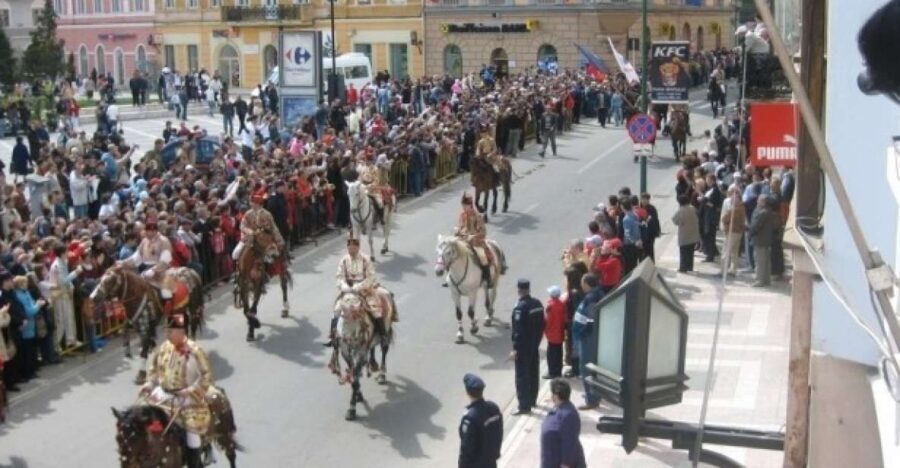
This tour is scheduled for Monday, Wednesday, and Friday, with a 15:30 departure from in front of Hotel Aro Palace. In two hours, you’re not trying to “cover everything” in Brașov—you’re learning how the old town fits together: where power sat, where worship happened, and where everyday life gathered.
I like that the experience leans practical. You’ll see famous landmarks, but you’ll also learn why they ended up where they did. That matters in Brașov because the medieval city plan is still visible when you’re walking. Once you start noticing gates, watchtowers, and guild-era walls, the whole place clicks.
If you’re the type who hates “hit-or-miss” tours—where you stop, take a photo, and move on—this one feels closer to a guided walk with a point. It’s short enough to stay energetic, and structured enough that you’re not wandering lost through the old streets.
Starting at Hotel Aro Palace: easy access, clear start point
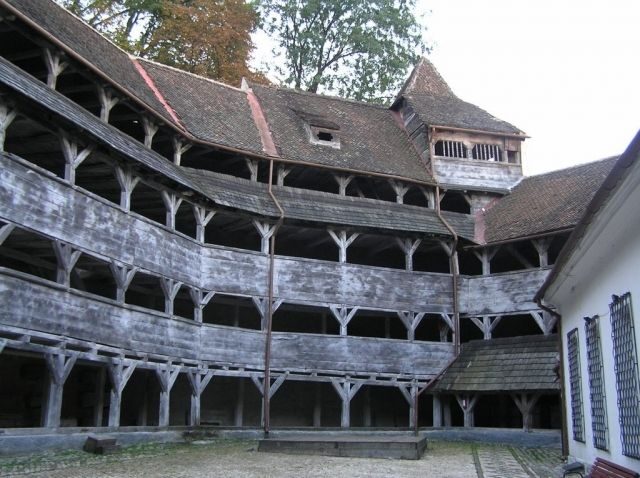
Your meeting point is straightforward: in front of Hotel Aro Palace in Brasov at 15:30. That’s good for two reasons. First, it keeps the start simple—you’re not hunting for a meeting kiosk hidden in an alley. Second, it helps you arrive without turning your day into a logistical puzzle.
The tour stays focused on walking. You’ll want comfortable shoes because you’ll be moving through old-town streets that aren’t built for speed. Also note the practical limitation: oversize luggage and large bags aren’t allowed. If you’re traveling light, you’ll feel relaxed; if you’re hauling big gear, it can make the walk feel harder than it needs to.
If you prefer a language option, the tour is led in English, with Hungarian available upon request. That’s a nice detail if you’re traveling with mixed-language friends or family.
You can also read our reviews of more city tours in Brasov
Catherine’s Gate: the Renaissance fortification that frames the whole story
One of the first stops that helps you understand Brașov’s defenses is Catherine’s Gate. This gate is Renaissance in style and was part of Brașov’s fortifications. Even if you don’t read architectural details, the function is clear: gates were the controlled entry points, not just decorative entrances.
Here’s why I think this stop works well for you. Gates are the “hinge” of a medieval city. When you know where a gate sat, later landmarks—churches, towers, central squares—make more sense. You start mapping the city in your head rather than collecting isolated sights.
A small caution: because the tour is only 2 hours long, the guide won’t linger for long explanations at every point. If you’re someone who loves very slow museum-style pacing, you’ll likely want to use this tour to get your bearings, then go deeper on your own afterward.
St. Nicholas Orthodox Church: the city’s education and faith legacy
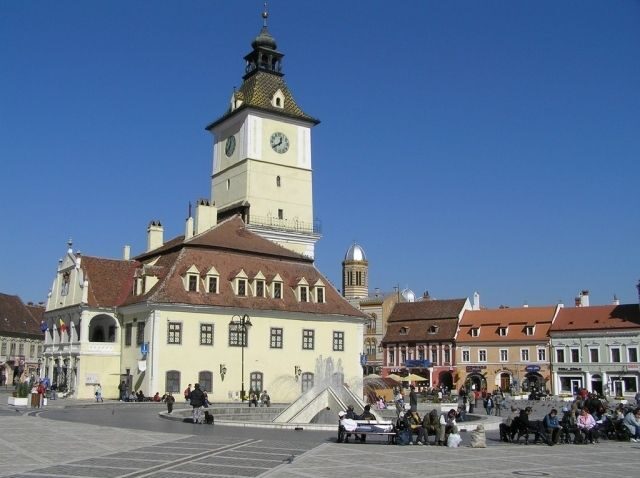
Next up is St. Nicholas Orthodox Church, described as the oldest Orthodox church in the city. It’s also tied to an important cultural detail: it’s home to the first Romanian school.
That mix—faith plus education—is what makes this stop more than a quick church photo. It shows you that in Brașov, religious institutions were also community anchors. They weren’t separate from daily life; they were part of how knowledge and identity were carried forward.
If you like details with meaning, this is a solid moment. Even a short pause here can help you shift your understanding of the city from “Dracula and medieval walls” to “local community and tradition.” That’s one reason Brașov feels more grounded than some purely themed destinations.
The Black Church: Gothic drama with a real-world claim to fame
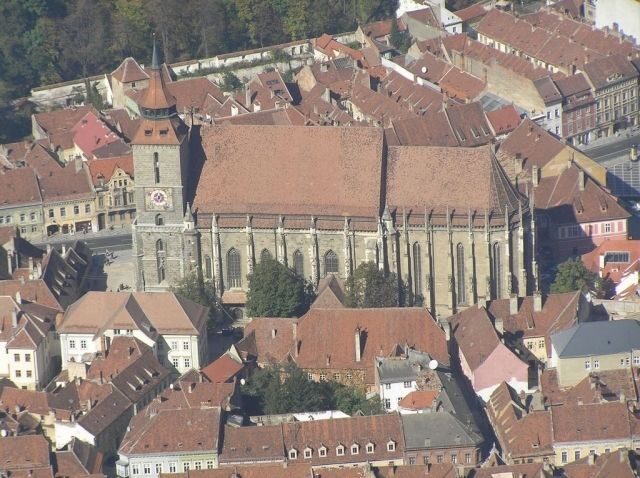
When you reach The Black Church, you get a Gothic landmark with an actual headline detail: it has the largest organ in Romania. That’s the kind of fact you remember, and it’s a good example of why the tour balances atmosphere with specificity.
Why this matters to your experience: when you walk through a town like Brașov, it’s easy to think every stop is just “old.” The Black Church is a reminder that some places were cultural powerhouses. An organ this prominent isn’t just a decoration—it’s a sign of resources, craftsmanship, and a serious musical tradition.
Drawback to keep in mind: entrance fees and photo fees are not included. So if you want to go inside for the full effect—or if you’re careful about what’s chargeable—plan to pay separately as needed. (The guide can’t change the museum ticket rules, so it’s smarter to expect this from the start.)
Piata Sfatului: the old town square where life still happens
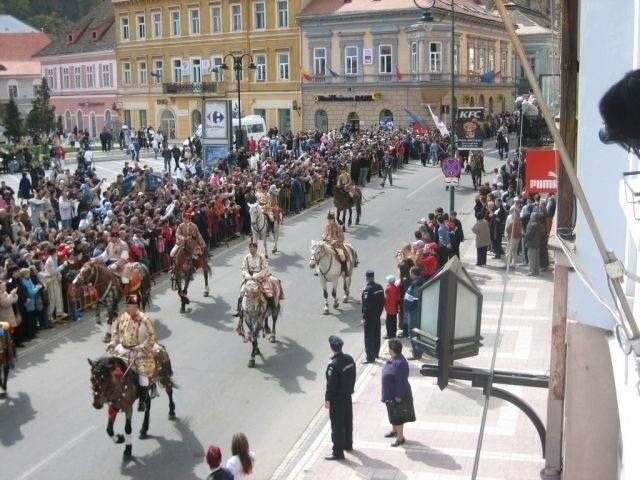
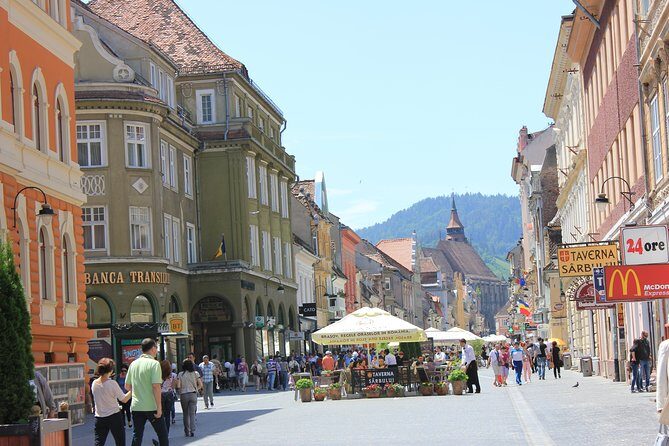
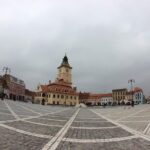
Piata Sfatului is the heart of the old town and a natural place to reset your brain during the walk. It’s presented as a central gathering point for locals and tourists, surrounded by colorful buildings and cafes.
This stop is valuable because it gives you contrast. After gates and churches, the square shows you the social layer: markets, meetings, and the daily rhythms that kept the city alive. Even if you don’t stop for a long break, you’ll feel the shift from fortified structure to public space.
Practical advice: if you’re doing photos, this is a good moment to take them. The square gives you angles where streets and facades connect, and it’s easy to capture the “Brașov look” without sprinting between locations.


Strada Sforii: one of Europe’s narrowest streets and why it existed
Strada Sforii is one of the tour’s headline surprises: it’s famous for being among Europe’s narrowest streets. But the best part is the explanation—this street once served as a passage for firefighters.
That detail turns the narrowness from a gimmick into a functional urban clue. In a medieval city, space was tight, and emergencies still had to be handled. A narrow lane isn’t just weird; it’s evidence of real problem-solving in the past.
If you love walking through places that make you think, you’ll enjoy this stretch because you can physically feel the architecture. And if you prefer straightforward photo ops, it’s a quick win—no special ticket needed, just a narrow street and the satisfaction of seeing it in person.
Schei Quarter: understanding Romanian Orthodox influence in the city
The tour moves into the Schei Quarter, described as a historical district representing the Romanian Orthodox community’s influence on the city. This is one of those stops that changes how you read Brașov.
Instead of treating “old town” as one uniform story, you learn that cities often have neighborhoods with different cultural and religious roles. The Schei Quarter helps you see Brașov as layered—different communities shaped its development in different ways.
The value here is subtle but important: when you return to the main tourist streets later, you’ll notice the difference between “what’s famous” and “what formed the community.” That shift makes your time in Brașov feel more like understanding than sightseeing.
The Weaver Bastion and the guild city idea
At the Weaver Bastion, you get a defensive tower connected to the city’s weavers’ guild. This stop is useful because it reminds you that medieval walls weren’t only about rulers and armies. Trade groups also mattered. Skilled labor helped shape wealth, and wealth needed protection.
You don’t need to be an architecture expert to get it. The idea of a guild bastion is a plain-language window into the economy of the era. It tells you that Brașov’s medieval strength wasn’t just political—it was practical, built on people making things.
If you enjoy connecting the dots between architecture and everyday work, this one tends to be a highlight. It’s also a helpful mental anchor when you later think about Brașov’s broader reputation in Transylvania.
White and Black Towers: the view payoff (with a mountain backdrop)
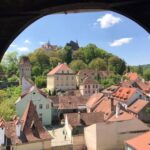
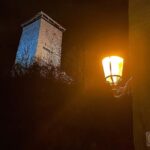
The White and Black Towers are positioned as watchtowers with breathtaking views of the city and the surrounding mountains. This is your payoff moment: after a walking route packed with gates, streets, and churches, you get space to look out.
Even if you’re not a “views person,” these towers help you understand the geography that shaped Brașov. Mountains don’t just look dramatic; they affect how cities expand, where routes develop, and how defenders plan sight lines. A watchtower view is the city at human scale plus the bigger natural boundary.
What you should plan for: since entrance fees aren’t included, tower access (if it involves entry) may require extra payment. The guide will keep you moving through the schedule, but it’s smart to expect separate costs if you want the full interior experience.
The Dracula add-on: how Bran fits after your Brașov walk
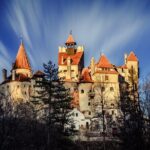
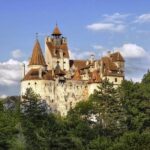
One of the most tempting parts of this overall experience is the Dracula connection. The highlights include a trip where you can feel the spirit of the legendary Dracula in Bran Castle. There’s also an optional afternoon extension: an additional visit to Dracula Castle in Bran with an entrance-fee supplement of €55 per person.
If you’re trying to plan your day, here’s the key: your Brașov tour is 2 hours and focused on the medieval city. Bran is a different vibe—more themed, more destination-driven. Doing Brașov first works because you get the medieval “how cities worked” context before you shift into the Dracula myth space.
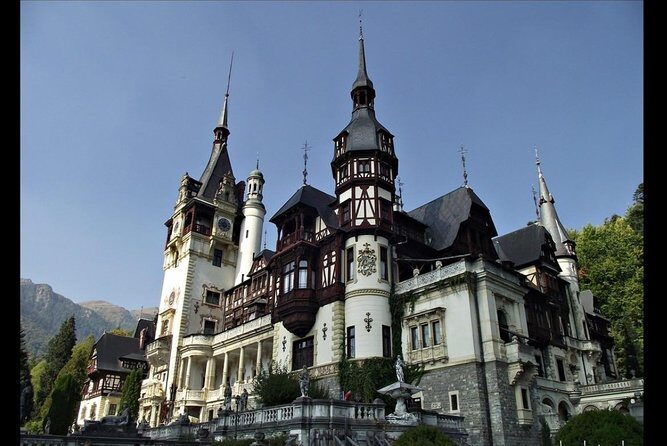
Also, the highlights mention Sinaia, described as the Pearl of the Carpathians. Your best approach is to ask when booking whether Sinaia is included in your specific schedule or if it’s part of a broader route. Since the tour details here focus on Brașov, treat Sinaia as a possible added theme rather than a guaranteed stop unless your itinerary confirms it.
Price and value: what $53 buys you in real terms
The price is $53 per person for the 2-hour walk with an English-speaking guide. On paper, that might not look like much time. In practice, it can be excellent value if you’re using it for three things:
- Orientation: You’ll learn how Brașov’s old town links together.
- Context: Facts like Catherine’s Gate fortification role, St. Nicholas Orthodox Church and the first Romanian school, and the Black Church organ detail help your photos and memories stick.
- Efficient pacing: You’re not spending half the day traveling between separate sights.
Entrance fees, photo fees, meals, and drinks aren’t included. That’s normal for guided walking tours, and it’s still good value because you’re paying for someone to guide your feet and your attention. If you’re planning to enter churches, towers, or museums, you’ll want to budget extra so the day stays smooth.
One more practical note: there’s a €10 supplement per person for a private tour. If you’re traveling with a group and want quieter pacing, it can be worth it—but if you’re happy with a guided walk among others, the standard format should cover what most people want.
Who this tour suits best (and who should rethink it)
This works especially well if you want an English-led Brașov / Kronstadt city intro without wasting time. It’s a great choice for history lovers, photography walkers, and anyone who likes learning the “why” behind landmarks.
If you’re traveling with mixed interests, you’ll be fine: the Black Church and Piata Sfatului cover big sightseeing moments, while Strada Sforii, Schei Quarter, and the Weaver Bastion add the grounded Transylvanian context.
If you have mobility concerns, the tour isn’t suitable for people with mobility impairments. That doesn’t mean Brașov isn’t worth visiting—it just means you may need a different tour format, less walking, or a route designed around your pace.
Also keep in mind: there are no meals included. It’s easy to handle this because you’ll end back at Hotel Aro Palace, but you’ll still want to plan where you’ll eat afterward.
Should you book City Tour Brasov in English: Secrets of Kronstadt?
I’d book this if you want a tight, high-signal Brașov introduction: gates, churches, squares, narrow streets, and viewpoints—tied together by a guide who can explain what you’re seeing. The combination of big landmarks like the Black Church and Piata Sfatului with practical details like Strada Sforii’s firefighter purpose makes the 2 hours feel purposeful, not rushed.
I’d skip it or switch plans if walking is an issue for you, or if you prefer tours that include specific entrance tickets and long indoor time. In that case, you might enjoy a more museum-style route or a longer day with fewer outdoor stops.
If your goal is to understand Brașov quickly and then add Bran for the Dracula experience, this is a strong way to set up the rest of your Transylvania day.
FAQ
Where does the tour start?
It starts in front of Hotel Aro Palace in Brasov.
What time does the tour depart?
The departure time is 15:30.
How long is the tour?
The tour duration is 2 hours.
What’s included in the price?
You get an English-speaking guide for the 2-hour tour.
Are entrance fees included?
No. Entrance fees and photo fees are not included, and meals and drinks aren’t included either.
Can I add Dracula’s Castle in Bran?
Yes. You can add an afternoon visit to Dracula Castle in Bran for a €55 supplement per person, which includes the entrance fee supplement.