REVIEW · BRASOV
The Medieval Brașov, Legends, Remedies & Folklore Creatures
Book on GetYourGuide →Operated by Rocast Perpetuum SRL · Bookable on GetYourGuide
Garlic, fear, and old stone. This tour blends medieval Brașov architecture with folklore that goes way past Dracula. I especially like the way the guide pairs real landmarks with stories about strigoi, witches, and forest spirits, plus the practical detail behind the superstition-style “remedies.” One thing to consider: it’s not suitable for everyone, including wheelchair users, people with mobility impairments, pregnant women, and visually impaired guests.
You’ll walk inside the old Saxon defensive world—towers, guild streets, and the main medieval core—while you learn how Saxon and Romanian traditions shaped daily life. The guide tells the tales with context, so it doesn’t feel like random spooky trivia. It’s also paced for a comfortable walk with short breaks and photo stops, and you get visual illustrations to help you keep track of characters, places, and creature lore.
In many cases, the storytelling focus can split, with one guide leaning harder into history and another into the folklore side. Roxana has a reputation for very detailed creature talk, and I like that she may even share printed copies of the locations and beings discussed, which makes it easier to keep the myths straight after the walk.
In This Review
- Key takeaways before you go
- Garlicky folklore meets medieval Brașov walls
- Where the tour starts: George Baritiu County Library and a clear game plan
- Strada După Ziduri: getting your bearings inside the medieval wall world
- The White Tower: watchtowers explained as living infrastructure
- Catherine Gate, then a secret stop: fear and city structure in the same breath
- Strada Sforii: where legends turn into “how to survive” thinking
- Black Church: Saxon-Romanian influences in a single city landmark
- Piața Sfatului: finishing in the medieval center
- Price and value: $76 for 2 hours of story + city structure
- Who should book this tour, and who should skip it
- What to bring (and how to dress) for medieval Brașov cobbles
- My verdict: should you book Medieval Brașov, Legends, Remedies & Folklore Creatures?
- FAQ
- How long is the tour?
- Where does the tour meet?
- What language is the guide?
- How much does it cost?
- What’s included in the price?
- Are entrance tickets included?
- What should I bring?
- Is it suitable for people with mobility issues or wheelchair users?
Key takeaways before you go
- Strigoi, witches, and Muma Pădurii lore: stories with specific “rules” for protection, like what you were supposed to wear or do
- Saxon walls and watchtowers: medieval fortifications explained alongside day-to-day life and local fears
- Remedies that blur medicine and magic: herbal charms, protective plants, and folk “cures” explained as belief systems
- Guild streets and city landmarks: you connect architecture to what people expected from the world around them
- Bram Stoker’s Dracula as a side note: you learn how Romanian mythology is bigger and stranger than the Dracula story you already know
Garlicky folklore meets medieval Brașov walls
If your idea of Transylvania is only castles and capes, this tour has a good way of resetting expectations. You’re still in the medieval heart of Brașov, but the “plot” is about belief: what frightened people, what they trusted, and how they tried to stay safe in a world they couldn’t control.
What makes it work is the balance. You don’t just get horror-story names. You get an explanation of how Saxon and Romanian traditions influenced daily life, including how communities tried to manage danger—whether that danger was illness, the dark forest, or the idea that the dead might not stay put. The folklore side includes strigoi, witches, and forest spirits like Muma Pădurii. The remedies side includes protective plants and herbal charms, plus the kind of medieval thinking that treats medicine and magic as the same tool.
The humor is subtle, but it’s there. When a belief says garlic is the answer or that you should flip your clothes inside out, you’ll understand the fear behind it without needing to take it literally. That’s where the value sits: you learn how people built systems of safety, even when the “science” of the time was superstition.
You can also read our reviews of more tours and experiences in Brasov.

Where the tour starts: George Baritiu County Library and a clear game plan
You’ll meet in front of the George Baritiu County Library, right next to the statue. It’s an easy landmark in central Brașov, so you’re not hunting down a random side street.
From the first minutes, you’ll get a sense of what the walk will do for you. The guide uses storytelling plus visuals, which matters because the subject has a lot of moving parts: creatures, places, folk practices, and medieval city life. Time is built in for photo stops and short breaks, which is practical on cobbles and tight medieval streets.
The tour runs about 2 hours, and it’s designed with a flexible pace. That’s not a throwaway line—when a tour has lots of folklore details, you want the guide to slow down enough for you to process what you’re hearing and then actually see what you’re standing in front of.
Strada După Ziduri: getting your bearings inside the medieval wall world
The walk begins with a stretch of Strada După Ziduri (about 30 minutes of guided touring). This is one of the places where the medieval setting clicks into place. You’re not just looking at stone; you’re hearing how people lived with fortifications around them.
Why this stop is worth your attention: it sets the emotional tone of the tour. When a community is surrounded by walls, towers, and gates, you expect rules. You also expect fear to travel through everyday life, including the belief that supernatural threats could show up where you least expected them—especially after dark.
You’ll likely connect the city layout to guild activity too. The tour frames the medieval Saxon community as a working society of merchants and craftsmen, where streets weren’t only for commerce—they were part of the protective urban system. That’s a key shift for many visitors: Brașov isn’t just “old buildings.” It’s old routines.
A small drawback here is also simple: if your group is large or talkative, the first stories can feel like a lot of information at once. The fix is easy—listen for the names of creatures and remedies, then later match them to what you see.
The White Tower: watchtowers explained as living infrastructure
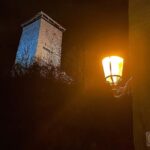
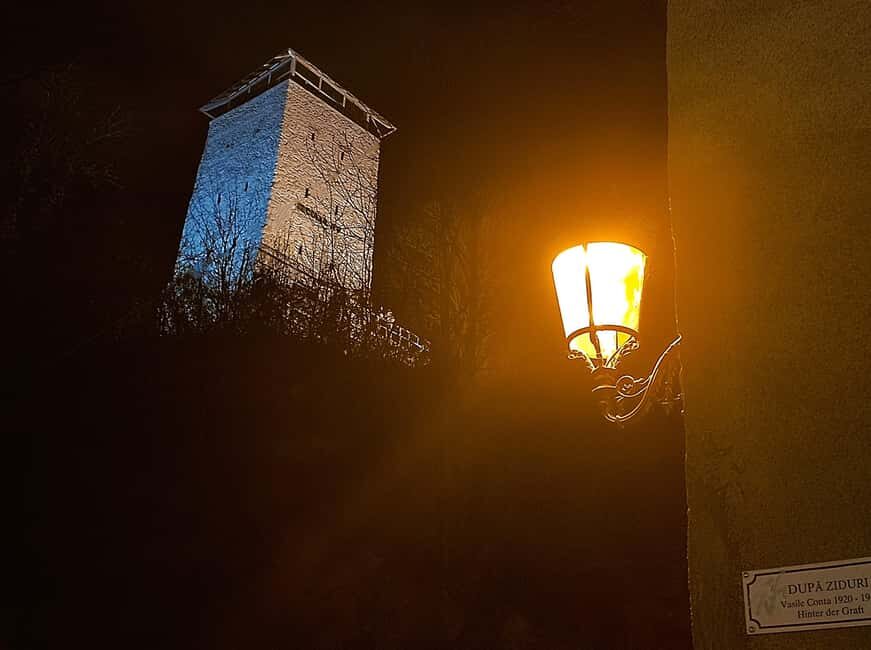
Next up is the White Tower (about 20 minutes for sightseeing). This is where you’ll start thinking about surveillance as daily life, not just scenery. Watchtowers mattered because they were the city’s early warning system, and they shaped how people imagined safety.
What I like about how this gets handled: the tower becomes a bridge between architecture and belief. People didn’t separate “how the city works” from “what the world means.” When you hear a story about something stalking the night, you can better understand why the medieval imagination focused so hard on boundaries—between day and night, inside and outside, safe and unsafe.
You’ll get time to look around and take photos, but the guide keeps it grounded. You’re not stuck listening while standing still. You’re moving, looking, and learning in a natural rhythm.
Catherine Gate, then a secret stop: fear and city structure in the same breath
You’ll pass Catherine Gate (about 10 minutes). A gate is a small architectural element, but it has big symbolism. It’s where control happens. It’s where outsiders meet rules. It’s also where stories love to cluster, because gates are the boundary between known daily life and the unpredictable beyond.
Then comes a secret stop (about 15 minutes of guided storytelling). This part is built for the folklore-meets-fact theme: the guide uses the location as a backdrop for fears, beliefs, and protective ideas. You’ll hear about protective plants, herbal charms, and the way medieval people blurred the line between medicine and magic.
This is also where the tour’s “go beyond Dracula” goal comes through most clearly. Bram Stoker’s Dracula may be famous, but the tour positions it as only a shadow of Romanian mythology—meaning you’ll hear creature logic that doesn’t follow the pop-culture script. Strigoi and witches show up with rules, rituals, and warnings tied to everyday behavior, like what you might do to protect yourself.
One practical consideration: folklore detail can be intense. If you’re prone to zoning out when a guide is listing names, pick one creature to focus on during this segment, then switch your attention halfway through.

Strada Sforii: where legends turn into “how to survive” thinking
Strada Sforii is next (about 15 minutes of guided touring). This is one of those places where the setting helps the stories stick. The guide uses the street as a stage for how medieval communities explained danger.
The big theme here is how people tried to manage uncertainty. You’ll hear not only scary tales, but also folk “logic” behind them—like how villagers connected overindulgence with a shocking cure. The tour’s examples include remedies that sound extreme today, including beliefs about drinking horse manure juice as a cure. You’re not supposed to treat that as health advice. You’re supposed to understand it as part of a belief system where cause-and-effect worked differently.
You’ll also hear about “protective behavior” that’s more ritual than medicine. Examples include the idea that you could protect yourself from a night threat by wearing your clothes inside out. Whether you find it funny or unsettling, it’s a real window into how fear shaped daily choices.
If you want value beyond the creepy parts, focus on the patterns. Notice how often the stories revolve around boundaries: night vs. day, body vs. spirit, inside vs. outside. That pattern is what makes the folklore feel less random and more human.
Black Church: Saxon-Romanian influences in a single city landmark
You’ll pass the Black Church (about 20 minutes). Even when you’re not going inside, this landmark matters. It helps anchor the tour in Brașov’s medieval identity and in the Saxon-Romanian story that runs through the city.
The guide uses it as a reminder that culture wasn’t one-sided. Saxon traditions shaped the medieval city structure and craft life, while Romanian beliefs filled the spiritual gaps—explaining what people couldn’t control and what they couldn’t explain with reason alone. This tour treats both as influences, not “right vs. wrong.”
This is also where you might start connecting the myth themes into a single map. You’ll hear how protective charms and fears of creatures were part of everyday reality, including beliefs that could show up even in practical choices like herbal protection or ritual behavior.
The only potential downside: because the Black Church stop is a pass-by, you won’t get a full deep architectural visit here unless you book a separate architecture-focused walk later. Still, the tour uses the landmark effectively as a pivot point.
Piața Sfatului: finishing in the medieval center
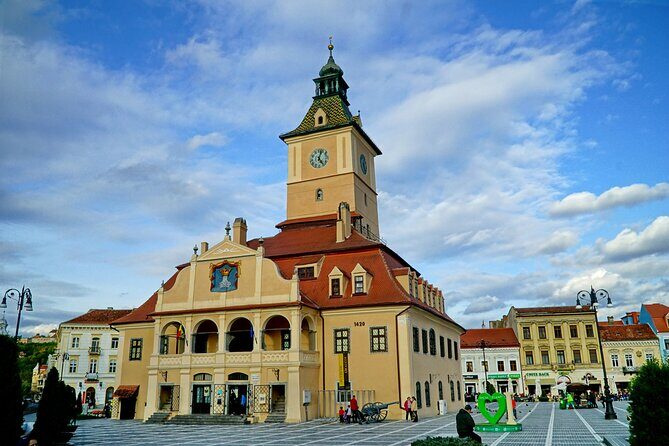
You end at Piața Sfatului, with a short visit (about 10 minutes). This square is the classic finish for a reason: it’s the place where the medieval city’s different threads feel like they meet—commerce, community, and storytelling.
If you want the tour to “land” in your mind, this ending helps. By the time you reach the square, you’ve heard about strigoi, witches, and forest spirits, plus the remedies and rituals tied to survival thinking. Sitting in a central public space makes the stories feel less like a set of isolated legends and more like part of how a whole community lived.
It’s also a practical time to grab photos, catch your breath, and decide what you want to explore next on your own—especially if you enjoy chasing down folklore places after the walk.
Price and value: $76 for 2 hours of story + city structure
At $76 per person for about 2 hours, you’re paying for two things that are hard to DIY: (1) tight, guided movement between medieval landmarks, and (2) a focused explanation of folklore themes that have a cultural logic.
This isn’t a “just walk and look” tour. It includes a professional licensed guide, storytelling that’s tied to specific city points, and visual illustrations and explanatory materials. Those visuals matter because creature and remedy details are easier to remember when you can match them to a handout or image later.
You also get time for photo stops and short breaks, plus a flexible pace. For many visitors, that’s where the value shows up: you’re not sprinting through history, and you’re not stuck listening in silence. You get to see, ask, and react.
One more value point: the guide adapts to the group. In smaller setups, the focus can shift between history and folklore. Roxana, for example, is known for detailed remedies and sharing printed copies of locations and the creatures discussed, which makes this feel less like a performance and more like a mini course you can revisit.
Who should book this tour, and who should skip it
This experience is a strong fit if you want Transylvania beyond Dracula and you enjoy stories where belief and daily life overlap. It’s especially good for people who like:
- medieval city walks with real landmarks
- folklore with rules, rituals, and protective logic
- a guide who explains how Saxon and Romanian traditions shaped everyday life
It’s less suitable if you need step-free access or visual accommodations. The tour is not recommended for wheelchair users, people with mobility impairments, pregnant women, or visually impaired people. If that applies to you, ask the provider about alternative options before you book.
What to bring (and how to dress) for medieval Brașov cobbles
Bring water. That’s the one must-have.
After that, dress for the season and the reality of medieval walking:
- In warmer months, a hat or cap helps with sun.
- If it rains, bring rain gear like a raincoat or umbrella.
- In colder months, wear warm layers, gloves, and a hat, and use sturdy shoes or boots.
The walk includes medieval streets and cobblestones, so comfort matters more than fashion. You’ll enjoy the stories more if your feet aren’t angry.
My verdict: should you book Medieval Brașov, Legends, Remedies & Folklore Creatures?
I’d book it if you want a guided walk where the city’s medieval bones and its folklore fears get treated like two sides of the same culture. The best part is the approach: you’re not only hearing spooky names; you’re learning how people used beliefs, charms, and remedies to cope with danger.
Skip it if you’re only interested in architecture and want a purely art-and-stone focus. And if accessibility is a concern, take the limitations seriously before you plan your day.
If you’re curious about strigoi, Mother of the Woods style legends, witches’ lake whispers, and the weird-but-thoughtful logic of medieval remedies, this is one of the more memorable ways to experience Brașov in a short time.
FAQ
How long is the tour?
The tour lasts about 2 hours.
Where does the tour meet?
You’ll meet in front of the George Baritiu County Library next to the statue.
What language is the guide?
The tour is guided in English.
How much does it cost?
The price is listed as $76 per person.
What’s included in the price?
It includes a professional licensed guide, a guided walking tour with storytelling, visual illustrations and explanatory materials, sightseeing of main landmarks and hidden gems, time for photo stops and short breaks, and a flexible pace.
Are entrance tickets included?
Entrance tickets are not included if attractions are visited inside.
What should I bring?
Bring water. For the season, bring a hat in summer, rain gear if it’s wet, and warm layers plus sturdy shoes in colder months.
Is it suitable for people with mobility issues or wheelchair users?
No. It’s not suitable for people with mobility impairments, wheelchair users, visually impaired people, or pregnant women.