REVIEW · BUCHAREST
Bucharest: Private Three Neighborhoods Tour by Vintage Car
Book on GetYourGuide →Operated by Gold Voyage · Bookable on GetYourGuide
A Dacia tour through class Bucharest. I love the fully restored Dacia 1310 ride for the photos and atmosphere, and I love the way this private tour uses three neighborhoods to explain how life can feel totally different block to block.
You get an English-speaking guide in the car who sets the scene and points out what to notice as you roll through town.
One possible drawback: this is a vintage car experience, so if you expect modern comforts, temper your expectations. There’s no AC, and the car is basic by design (but it is heated in winter), and the ride can feel tight and bumpy in places.
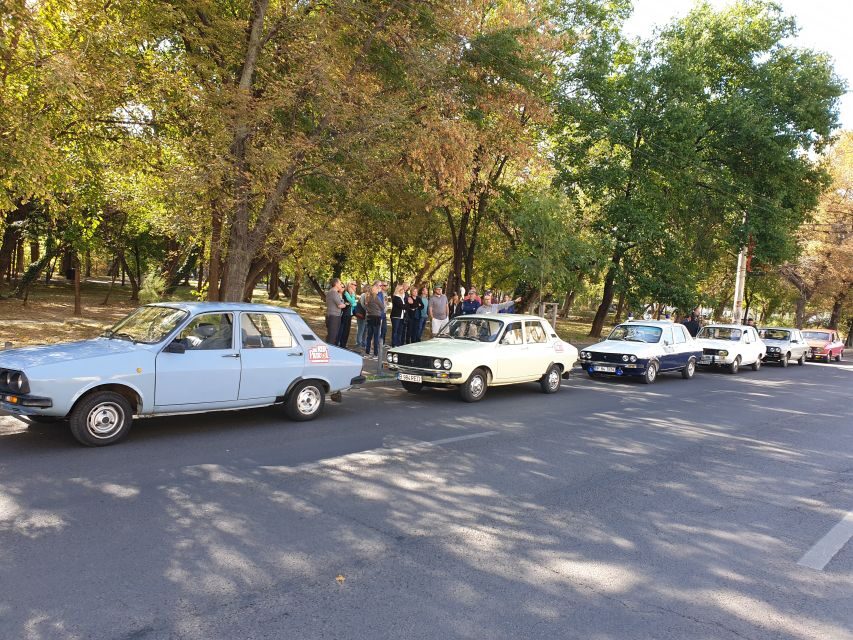
Good news for planning: you’re picked up and dropped off in Bucharest, and the tour runs as a private group with three people per vehicle when possible. If your party is larger, the operator can arrange a convoy so you still stay together.
In This Review
- Key things I’d circle on your map
- Why the Dacia 1310 is more than a gimmick
- Getting oriented: the pre-tour stops around Bucharest
- Bragadiru Palace stop
- Fântâna Costache Negri break
- Cotroceni: villas, institutions, and the bourgeois face of the city
- Cotroceni Palace area
- Parcul La Broscuțe: a scenic pause with meaning
- Drumul Taberei: the day-to-day life of the average Romanian
- Drumul Taberei streets
- Ferentari: Machala city and the hardest contrast of the day
- Piața Rahova and Strada Toporași
- Palace of the Parliament: a final landmark stop with guided context
- Comfort, timing, and how to get great photos
- What to expect from the ride
- Photo strategy that actually works
- Price and value: where your $126 goes
- Who this tour is best for (and who should skip it)
- A quick word on the guide and the driving
- Should you book the Private Three Neighborhoods Tour by Vintage Car?
- FAQ
- How long is the Bucharest private three-neighborhood tour by vintage car?
- What car do you ride in, and can you drive it?
- Which neighborhoods will you visit?
- Is hotel pickup and drop-off included?
- Is the tour suitable for wheelchair users or people with mobility impairments?
- What should I bring for the tour?
- Are pets and smoking allowed?
Key things I’d circle on your map
- Dacia 1310 photo moments: an iconic 1970s/1980s car that turns normal streets into a memory
- Three neighborhoods, three social lenses: Cotroceni, Drumul Taberei, and Ferentari shown in one circuit
- Short guided stops: you don’t just drive past—you stop for stories and pictures
- English live guide: you can ask questions while you’re moving
- Driver-led comfort: you don’t drive the Dacia (and that’s a plus, because it’s manual and basic)
Why the Dacia 1310 is more than a gimmick
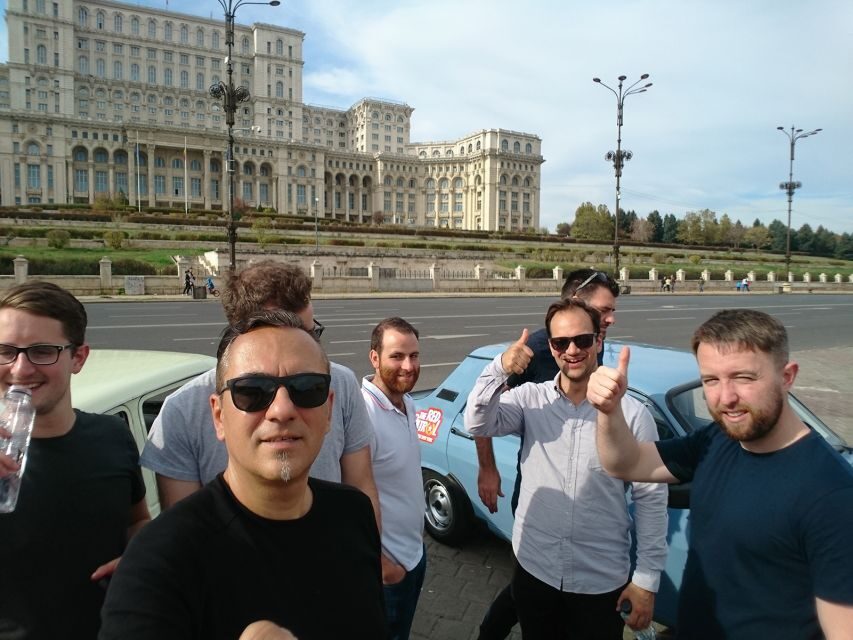
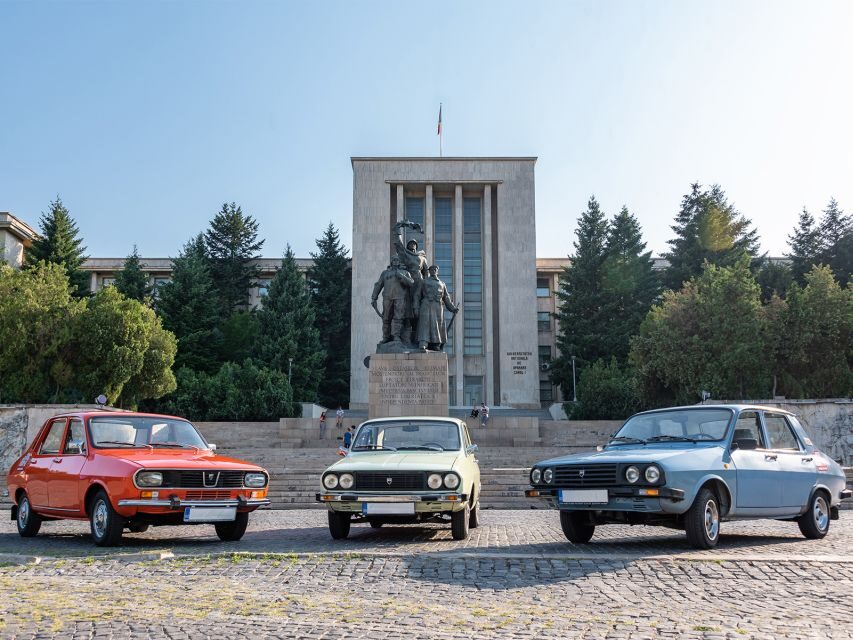
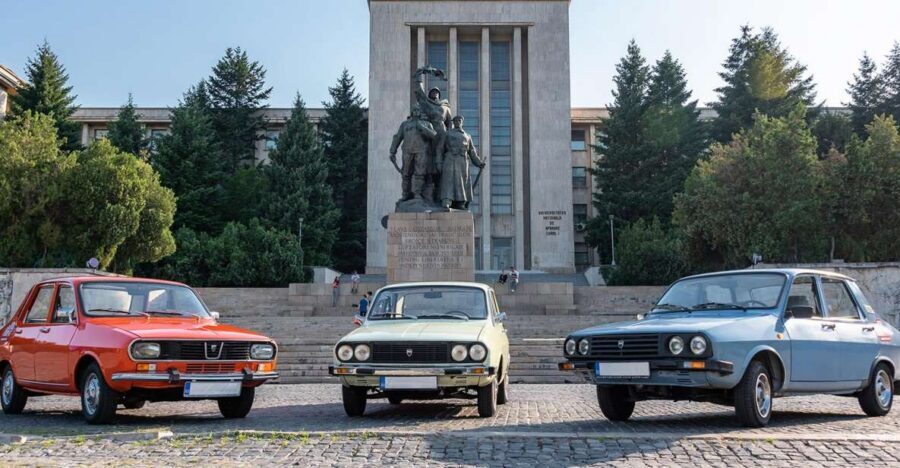
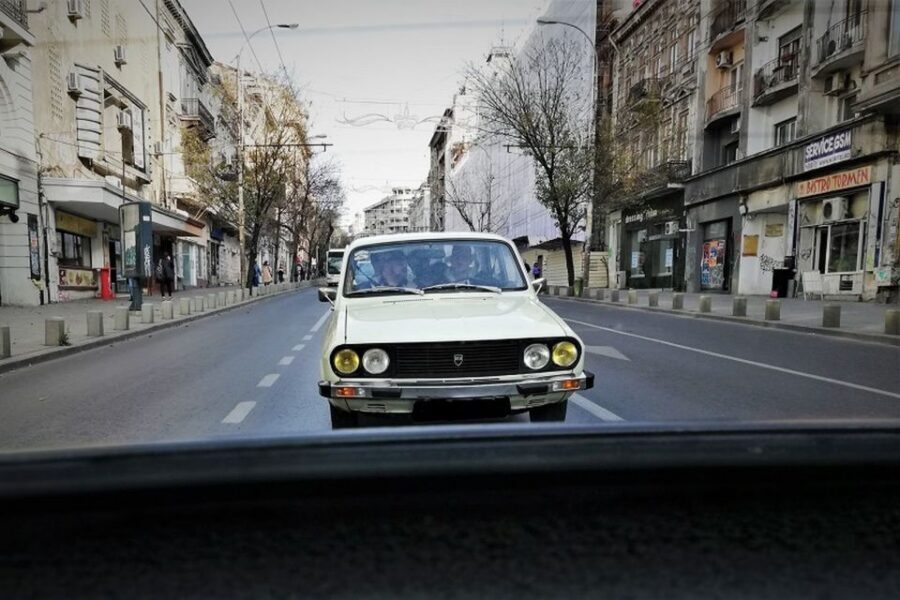
This tour is built around a car that’s instantly recognizable and joyfully old-school: a restored Dacia 1310 (from the 1970s/1980s era). You’ll ride through central Bucharest in a vehicle with none of the modern “safety-and-convenience” extras you might be used to—no AC, ABS, GPS navigation, or automatic driving. That sounds like a downside until you realize what it does to the experience.
A vintage car changes the tempo. You slow down without trying, you pay attention to streets instead of screens, and you end up looking up more often—at architecture, building styles, and the rhythm of everyday life. For photos, it’s also a cheat code: the car itself becomes part of every shot, so even a quick stop feels like a small event.
The driving is handled by your guide/driver, and participants aren’t allowed to drive the Dacia. Practically, that means you can focus on the city and not on your hands gripping a steering wheel like you’re starring in a rally movie. Also, the Dacia meets necessary safety traffic regulations, so you’re not riding in something sketchy. It’s just vintage.
You can also read our reviews of more private tours in Bucharest

Getting oriented: the pre-tour stops around Bucharest
The tour starts with pickup in Bucharest, then eases you into the city with a couple of well-timed pauses before the neighborhood stories really begin.
Bragadiru Palace stop
You’ll have a 30-minute stop at Bragadiru Palace. Expect it to be a photo stop plus a short guided look and sightseeing. The value here is simple: you get your first set of sights and context early, before the tour switches gears into the social contrasts of the three main neighborhoods.
Fântâna Costache Negri break
Next comes Fântâna Costache Negri, with about 20 minutes that includes a break, plus a photo stop and guided sightseeing. This is the kind of timing that makes a 3.5-hour tour feel doable. You’re not stuck sitting in the car nonstop, and you get a chance to regroup, especially if you’re coming straight from hotel check-out or lunch.
Cotroceni: villas, institutions, and the bourgeois face of the city
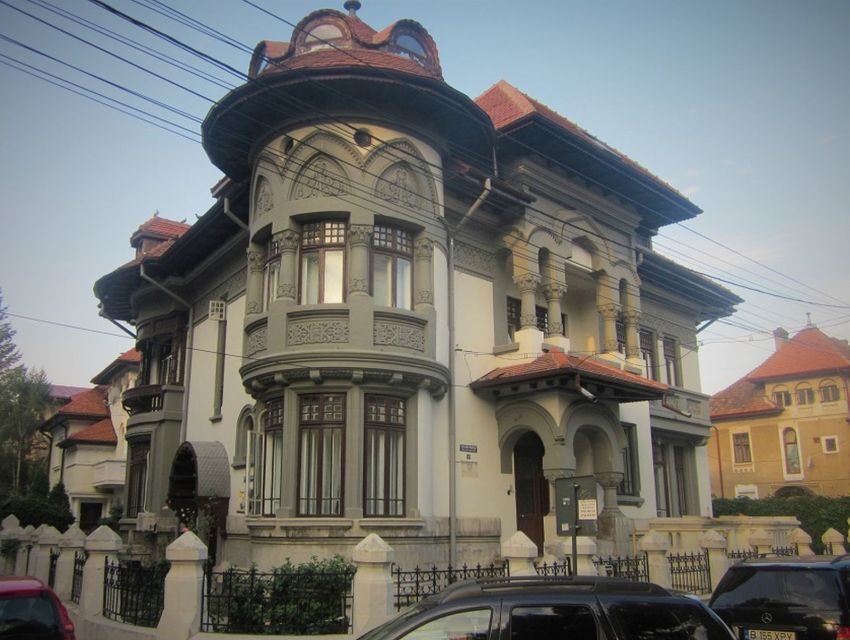
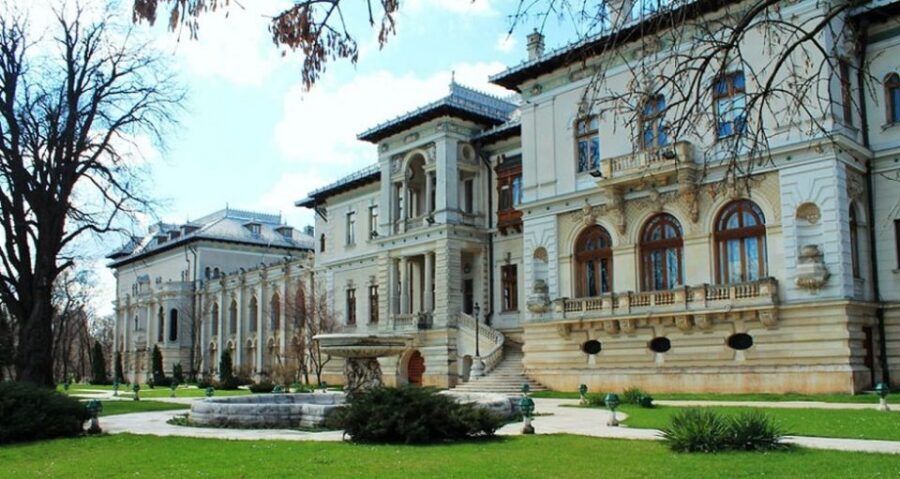
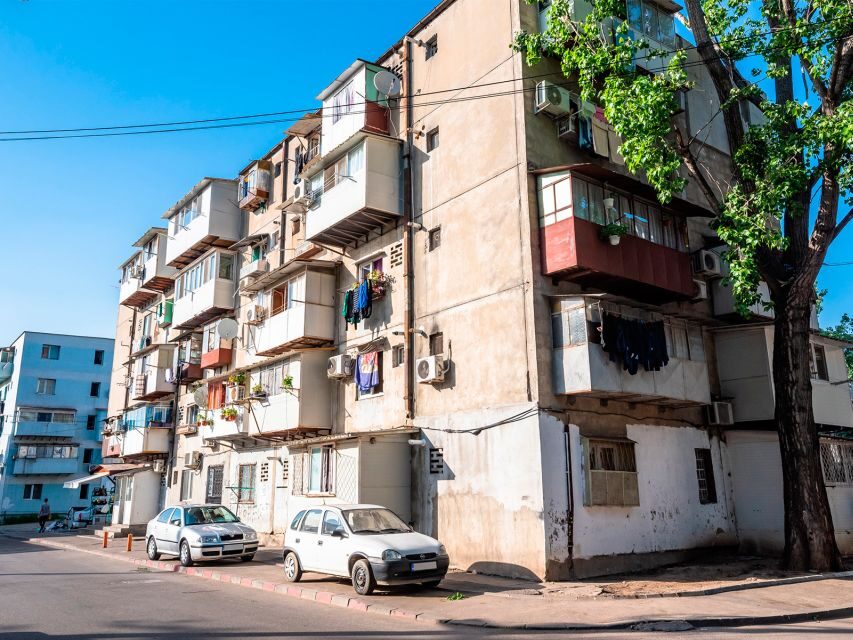
The first “class lens” on your route is Cotroceni—a villa-and-residential area tied to Bucharest’s wealthier history and today’s better-off neighborhoods. This is where the tour leans into residential scale and institutional presence.




Cotroceni Palace area
You’ll stop around Cotroceni Palace for about 15 minutes: photo stop, guided tour, and sightseeing. Cotroceni is described as a neighborhood with amazing residential/villa quarters where both 19th-century and present-day bourgeoisie live. In practice, that means your guide will point out what makes the streets feel different here—less packed, more spacious, and visually “organized” in a way that signals comfort and stability.
The tour also flags key Cotroceni landmarks you might spot and discuss—things like the Cotroceni Presidential Palace, the Military Academy Building, the Botanical Garden, or the villas themselves. You don’t need a museum ticket to understand the vibe. You’re learning how a neighborhood communicates status just by how it’s built and maintained.
Parcul La Broscuțe: a scenic pause with meaning
After Cotroceni, there’s a 15-minute stop at Parcul La Broscuțe. You’ll get another photo opportunity plus a guided moment and sightseeing. Parks are more than breaks on a walking-heavy day, and here they do a specific job: they give you breathing room between contrasts. You’re not just jumping from one “type of neighborhood” to another; you’re letting your eyes adjust so you actually notice the differences.
Drumul Taberei: the day-to-day life of the average Romanian
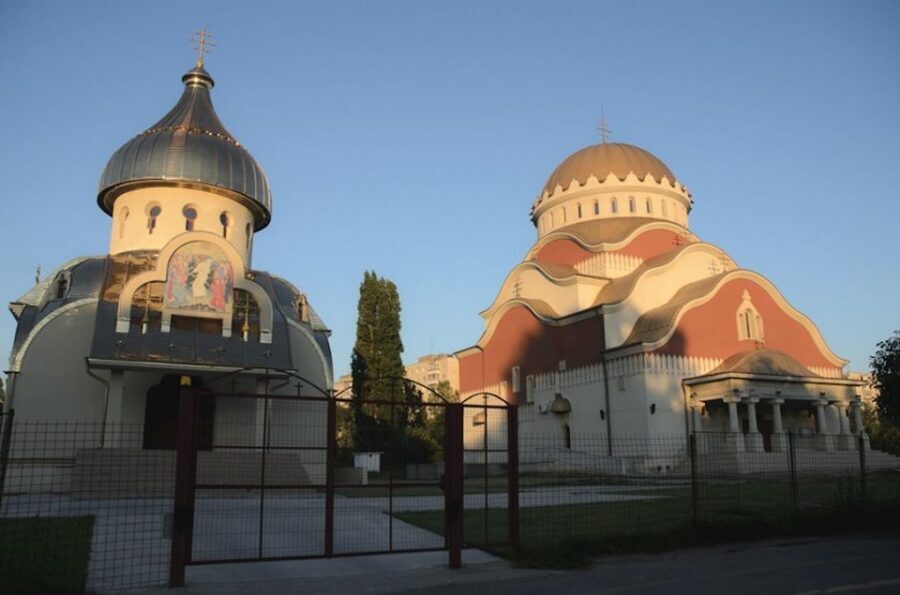
Then the tour shifts to Drumul Taberei, described as a neighborhood where the average Romanian lives. This is where the tour stops being only about looks and starts being about everyday routines: where people shop, worship, and live.
Drumul Taberei streets
You’ll spend about 20 minutes in the Drumul Taberei area with a photo stop, guided tour, and sightseeing. The big visual cue here is the presence of huge communist apartment blocks—that scale changes how a neighborhood feels instantly. It’s not a subtle contrast like the difference between one charming street and another. It’s a different city grammar.
Your guide is set up to explain what you’re seeing, including references to a peasant market and Orthodox churches frequented by average Romanians. Even if you’re not going inside anything, those elements matter because they tie the architecture to real human rhythms: what people need, where they gather, and how community plays out in daily life.
Here’s why I think this stop is valuable: it helps you avoid the common mistake of treating neighborhoods like “photo backdrops.” You’ll start looking for signals of routine—where daily needs cluster, how the street layout supports frequent movement, and how communal spaces show up in the view.
Ferentari: Machala city and the hardest contrast of the day
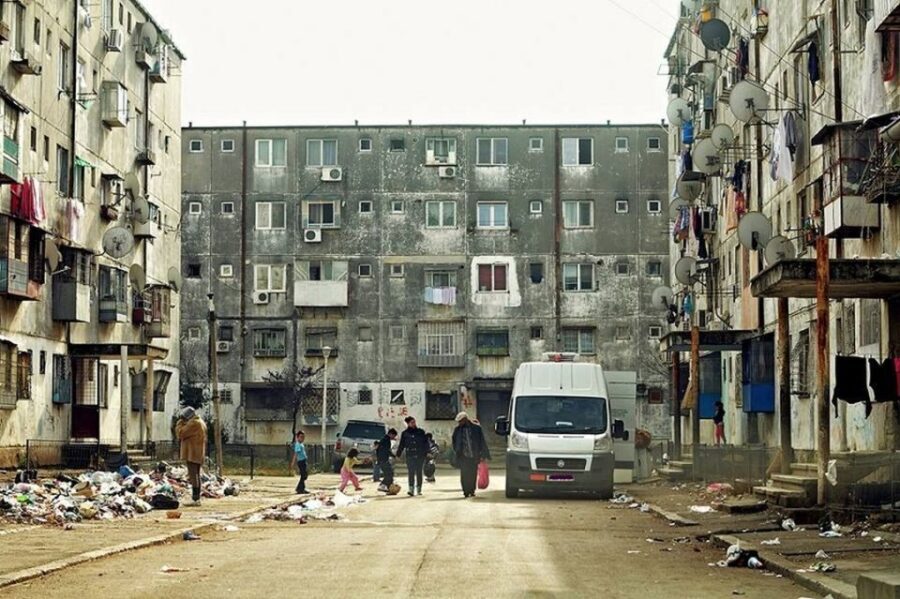
The final major neighborhood lens is Ferentari, described as one of Bucharest’s most photographic and contrasting areas, nicknamed Machala city. This is the part of the tour that asks you to look with care.
Piața Rahova and Strada Toporași
Your route then moves through Piața Rahova (about 15 minutes) and Strada Toporași (about 10 minutes) for photo stops, guided touring, and sightseeing. These stops aren’t random photo breaks. They’re part of the Ferentari picture—an area of high poverty with ghetto-style buildings, where the tour focuses on everyday struggles of Romania’s poor and underclasses.
A quick note on tone, because it matters: this isn’t framed as shock-tourism. It’s presented as learning about daily life for people facing much tougher conditions. Your guide’s job is to connect what you see—building form, street feel, and the sense of strain—to the human reality behind it.
If you’re the kind of visitor who gets uncomfortable with inequality, plan for that emotional jolt. It’s worth it, but it’s not a casual stroll. You’ll come away with more than images—you’ll have a clearer picture of why Bucharest feels like it does when you compare neighborhoods.
Palace of the Parliament: a final landmark stop with guided context
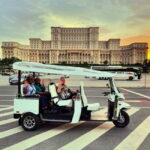
Before you’re done, the tour includes a 20-minute stop at the Palace of the Parliament for photos, guided sightseeing, and a quick guided look. Even if you’ve seen it from afar before, this stop works because it happens after the three-neighborhood social circuit.
That order changes how you process the landmark. Instead of treating it as a standalone famous building, you’ll be thinking about what power and planning look like in the urban landscape—and how those big forms contrast with the everyday neighborhoods you just experienced.
Comfort, timing, and how to get great photos
This tour runs about 3.5 hours, which is a good length for a private intro without turning the day into a marathon. It’s long enough to feel like a real circuit through Bucharest, but not so long that you lose track of the lesson the route is teaching.
What to expect from the ride
Because the Dacia 1310 doesn’t come with AC and modern navigation, you’ll feel the weather more than you would in a modern car. In winter, the cars are heated, but plan your clothing like you’ll be spending time outdoors between stops.
Also, the car is vintage. That usually means:
- you’ll want to keep bags compact (oversize luggage and large bags aren’t allowed)
- you’ll want comfortable shoes for short guided stops
- you’ll want to sit back and enjoy the movement, not test the handling
Photo strategy that actually works
You’ll have multiple photo stops across the route. The key is to use the guided moments to set up your shots. Ask your guide what to look for before you raise your camera—especially in Cotroceni and Ferentari, where the differences can be obvious but easy to miss if you’re rushing.
The good thing is you’ll have a recognizable vehicle in the photos throughout the tour. That means even if you only get a few great moments, you’ll still end up with a set that feels cohesive.
Price and value: where your $126 goes
At $126 per person, you’re paying for more than a drive around Bucharest. You’re paying for:
- hotel pickup and drop-off within Bucharest
- a professional local guide in your vehicle
- transport in a guided circuit with multiple photo stops
- a private-group format (three people per vehicle, with convoy options if needed)
- water in the car plus a souvenir
Is it “cheap”? Probably not if you’re comparing it to basic group sightseeing. But the value is in the structure: you get a guided narrative across three neighborhoods with different social realities, and you do it in a Dacia you can’t replicate on your own. That mix—story + vehicle + photo-access—adds up.
If you already did a palace-and-history style tour earlier in your trip, this one pairs nicely because it shifts the focus to social life rather than only big monuments. The best result is when you treat the day as a compare-and-contrast lesson.
Who this tour is best for (and who should skip it)
This experience fits best if you:
- want a private Bucharest tour with an English guide
- like photography and want your ride to be part of the story
- prefer learning through real street-level contrast rather than only formal museum stops
- enjoy a slightly unusual format (a vintage Dacia instead of a modern shuttle)
It may not fit if you:
- need wheelchair access or have mobility impairments (it’s not suitable)
- are pregnant (not suitable)
- travel with children under 10 (children under 10 aren’t allowed)
- want to drive the car (participants aren’t allowed to drive it)
- rely on modern comfort like AC on a warm day
And practical boundaries are clear: pets aren’t allowed, smoking isn’t allowed, and no alcohol or drugs.
A quick word on the guide and the driving
In the small universe of this tour style, the guide matters a lot. One guide named Mihai has been praised for being friendly, well-informed, and an excellent driver. That’s exactly what you want in an old car on busy streets: calm control and clear explanations so the experience feels safe and understandable.
When your guide can do both—handle the traffic and translate what you’re seeing—you actually get the “only locals know” street feel the tour promises, without the stress.
Should you book the Private Three Neighborhoods Tour by Vintage Car?
Book it if you want a Bucharest tour that feels personal, photo-friendly, and socially grounded. The Dacia 1310 makes the ride memorable, but the real payoff is the structure: Cotroceni → Drumul Taberei → Ferentari in one afternoon, with guided stops that connect the visible city to the lived city.
Skip it if you need modern car comforts, if your group includes someone who can’t handle the format, or if you’re looking for a purely light, entertainment-style sightseeing loop.
If you’re on the fence, here’s my simple test: are you here for understanding the city’s contrasts as much as taking pictures? If yes, this tour is a smart use of your time.
FAQ
How long is the Bucharest private three-neighborhood tour by vintage car?
It lasts about 3.5 hours.
What car do you ride in, and can you drive it?
You ride in a vintage Dacia 1310 (1970s/1980s). Tour participants are not allowed to drive the Dacia.
Which neighborhoods will you visit?
You’ll visit Cotroceni, Drumul Taberei, and Ferentari, with stops that include areas like Piața Rahova and Strada Toporași as part of the Ferentari experience.
Is hotel pickup and drop-off included?
Yes. Hotel pick-up and drop-off from Bucharest are included.
Is the tour suitable for wheelchair users or people with mobility impairments?
No. It is not suitable for people with mobility impairments or wheelchair users.
What should I bring for the tour?
Wear comfortable shoes. Water is provided in the car.
Are pets and smoking allowed?
No. Pets are not allowed, and smoking is not allowed. Alcohol and drugs are also not allowed. Oversize luggage and large bags aren’t allowed either.