REVIEW · BUCHAREST
Bucharest Communism: From Lenin to Ceausescu
Book on GetYourGuide →Operated by Bike The City Bucharest · Bookable on GetYourGuide
Communism in Bucharest can feel like a movie set. This tour takes you through the grand buildings and the human cost behind them, then lands you at Revolution Square for the story’s final act. You’ll connect ideology, everyday survival, and the final days of Nicolae Ceaușescu.
I like the way the tour gives you both scale and specifics. You get the mind-bending size of the Palace of the Parliament project, plus concrete details like forced demolitions and the harsh reality of food rationing. The other big win for me is the guide experience: people in recent groups have highlighted how guides like Horia and Alex stay engaging, answer questions, and even use humor to keep the heavy material moving.
One thing to consider: this is not a casual sightseeing loop. If you prefer light, photo-only stops, the political parts and prison/repression themes may feel intense for a 2.5-hour walk.
In This Review
- Key moments you shouldn’t miss on this Bucharest communist walk
- Starting in socialist “victory” mode: Unirii to the built-over past
- The Palace of the Parliament: a monument that explains itself
- Ceaușescu’s background and power: from limited schooling to long rule
- Food rationing and the secret police: what life was like day to day
- Antim Monastery and Patriarchal Cathedral: Romania’s older layer of faith
- Bucharest fountains, Piața Unirii, and the urban script of socialism
- Old Town and University Square: a contrast you’ll feel in your feet
- Royal Palace of Bucharest and the Romanian Athenaeum: culture before the control
- Revolution Square: where the story turns from ideology to ending
- Price and value: what $23 buys you in 2.5 hours
- Who this tour fits best (and who might want a different pace)
- Tips so you get more out of every stop
- Should you book this Bucharest Communism tour?
- FAQ
- Where does the tour start?
- How long is the tour?
- What language is the tour offered in?
- Is the entrance fees included?
- When should I arrive?
- What’s the cancellation policy?
Key moments you shouldn’t miss on this Bucharest communist walk
- The Palace of the Parliament: the second largest administrative building in the world
- Ceaușescu’s rise and repression: from 4 school classes to years in prison and decades of dictatorship
- Mass demolition: three neighborhoods erased and 40,000 households displaced
- Food ration numbers that hit hard: a month’s worth of cheese, eggs, and meat in the ration logic
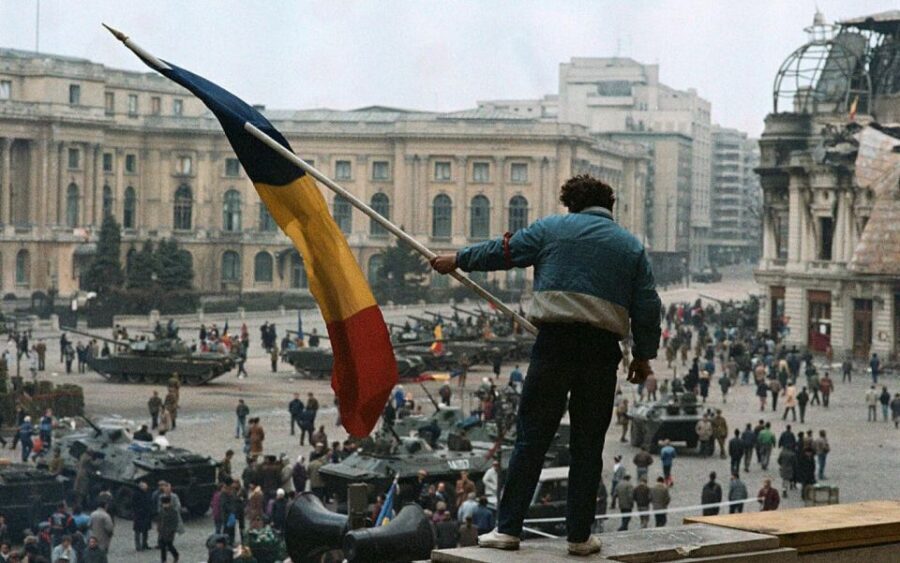
- The final countdown at Revolution Square: the revolution, trial, and execution story
Starting in socialist “victory” mode: Unirii to the built-over past
You begin near Bulevardul Unirii 5, the kind of place where Bucharest already looks like it’s being staged for history. From there, the walk is set up to show you how one political idea remade the city’s priorities: where power should be seen, and what everyday life was supposed to look like.
The tour’s framing matters. You’re not just looking at buildings; you’re learning how the regime tried to shape society before it ruled, and how it kept control once it was in charge. I like that it starts with the ideological foundation and then moves toward the visible results—because that helps your brain connect “what they believed” to “what they built.”
You can also read our reviews of more tours and experiences in Bucharest.
The Palace of the Parliament: a monument that explains itself
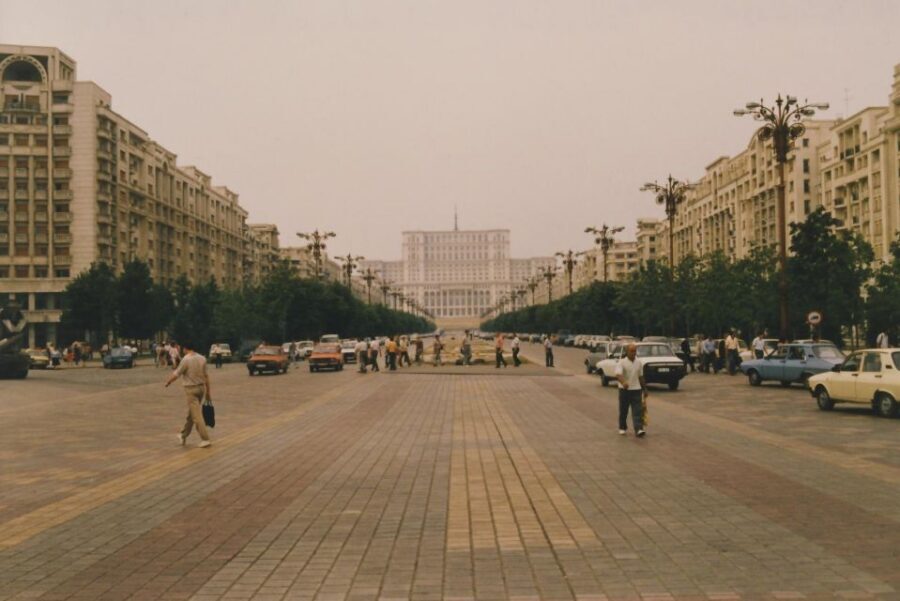
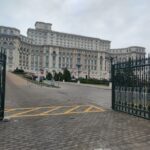
The highlight stop is the Palace of the Parliament (often discussed as part of the Chamber of Deputies complex). You’ll get a guided look—time is short, but the point is clear: this is megalomania turned into stone.
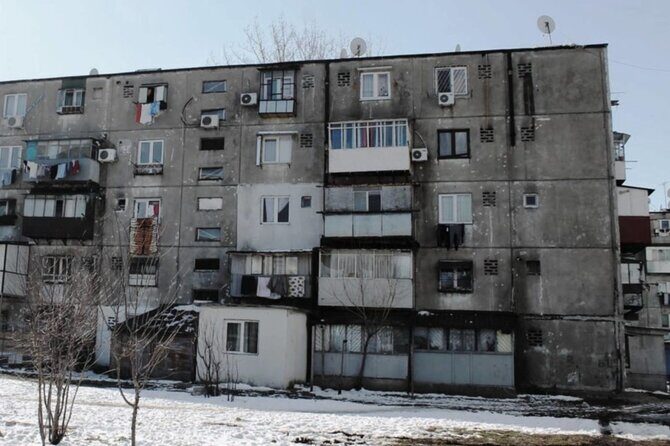
Here’s what makes this stop more than a wow-factor photo: the project’s cost wasn’t only money. The tour ties it to the brutal urban reality behind the curtain—three neighborhoods demolished and 40,000 households removed so the project could happen. You can stand there and see the scale, but once you know the displacement number, the building starts to feel like a warning sign, not a trophy.
You also get the regime logic. Communism wasn’t just about government; it was about controlling what people saw every day. In a place like this, the architecture is propaganda you don’t get to ignore. It’s hard to walk away from that thought.
Practical note: entrance tickets aren’t included, so if a stop requires a paid entry, plan for that. In short visits like this, you’ll want to arrive ready to follow the guide quickly.
Ceaușescu’s background and power: from limited schooling to long rule
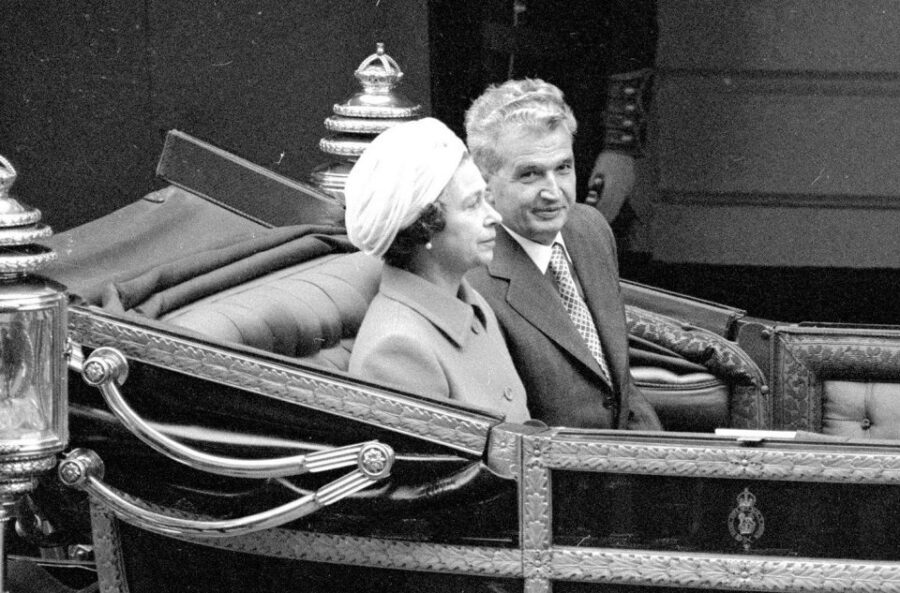
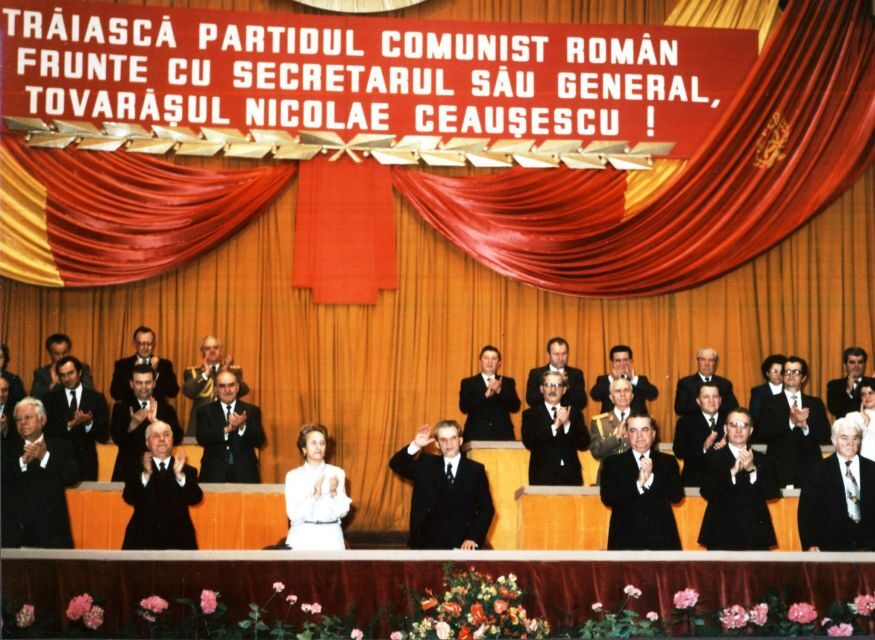
The tour connects Nicolae Ceaușescu’s personal story to why his regime felt so different in the Eastern Bloc. The tour message is blunt: his leadership is described as among the most oppressive in the region, compared in spirit to other dynastic-style dictatorships.
You’ll hear the numbers that make the rise feel unreal: four classes of education, six years in prison, then 25 years of dictatorship. When you hear that sequence next to the city’s monumental leftovers, the contrast lands. It’s one of those histories where you realize power didn’t come from public legitimacy. It came from systems of control.
If you’re the kind of traveler who likes political history but still wants it delivered cleanly, this is where the tour’s tone helps. People in past groups have praised guides like Alex and Horia for making dense material digestible—without turning it into a lecture you tune out.
Food rationing and the secret police: what life was like day to day
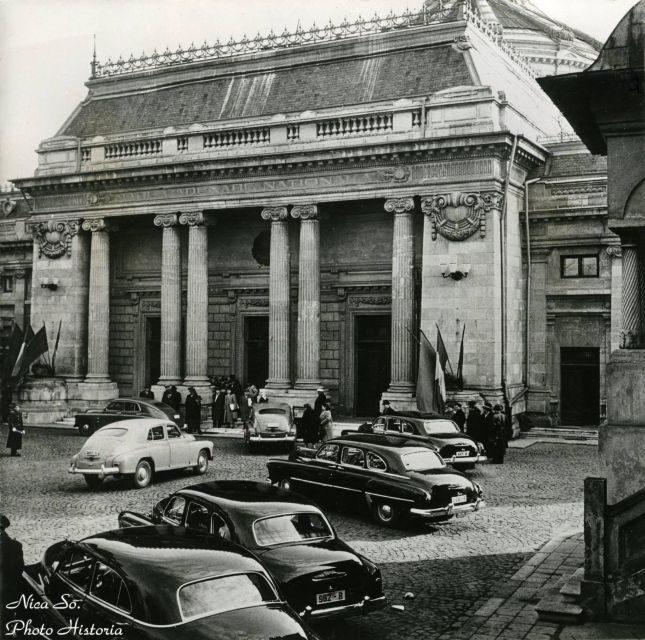
This tour doesn’t treat everyday life as an afterthought. You’ll hear about the routine effects of communism: rationing, limited choice, and the way the secret police shaped behavior even when you weren’t being questioned that minute.
The most striking details are the ration calculations given in the tour narrative. The tour includes the idea of 2,000 calories a day and then breaks it down into monthly quantities—500 g of cheese, 10 eggs, and 1.5 kg of meat. Those numbers are memorable because they’re not abstract. They show how small the margin was.
I also like that you get the “why it matters” angle. When the regime controls food, it controls time, plans, and stress levels. When secret police exist, people self-censor. That combo isn’t just uncomfortable—it’s society reshaped.
Antim Monastery and Patriarchal Cathedral: Romania’s older layer of faith
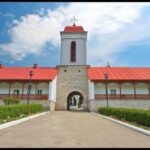
After the political weight of the Palace area, the tour shifts to continuity: you’ll visit Antim Monastery and then the Patriarchal Cathedral. These stops are shorter, but they do an important job.
They remind you that Romania’s identity wasn’t only communist. Long before socialist rule, religion and tradition were part of how people organized meaning. In a tour built around state power, these religious landmarks act like a counterpoint.
Even if you only spend around 10–20 minutes per stop, the guided approach helps you notice what you might otherwise walk past. You’re not just taking in architecture; you’re watching the city show its longer memory.
Bucharest fountains, Piața Unirii, and the urban script of socialism
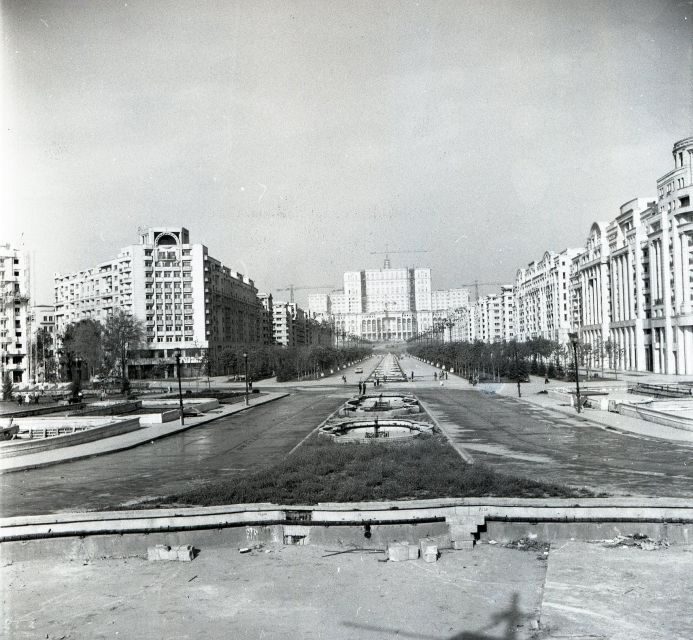
You’ll then move through central points tied to the city’s reshaped public space: Bucharest Fountains, Piața Unirii, and later University Square.
Communist-era planning had a specific taste: broad squares, major corridors, and a push toward standardized public life. You’ll see that logic in the way these spaces feel designed for crowds and ceremony, not just casual strolling.
The tour keeps the tempo here—some stops are about 5 minutes—so don’t expect a deep history lecture at every corner. Instead, think of this as a visual checklist. Notice what feels monumental, what feels staged, and how the space makes movement easy to control.
Old Town and University Square: a contrast you’ll feel in your feet
The Old Town segment gives you contrast without pretending the entire historic city center is “about communism.” The point is comparison: the older layers of Bucharest show how the city worked before communist rule became the dominant force.
University Square continues that contrast. Even in a short stop, it helps you understand the city as a place where ideas competed—before one ideology got the keys to the whole system.
Past groups have also highlighted that guides sometimes start earlier, with the philosophical chain that led to these events. One guide approach mentioned in recent feedback begins with Hegel, Marx, and Engels, then connects to Eastern Europe’s earlier conditions and the Bolshevik revolution. Whether your guide uses the same exact path or not, the tour’s structure supports that idea: you’re meant to understand communism as a system that grew somewhere, not something that fell from the sky.
Royal Palace of Bucharest and the Romanian Athenaeum: culture before the control
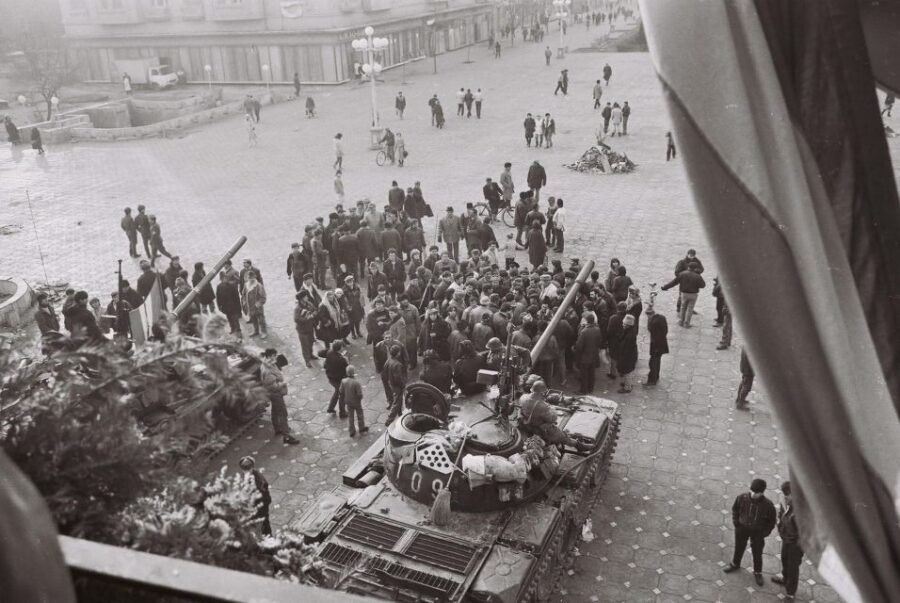
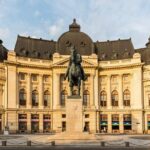
Two stops add a cultural counterweight: the Royal Palace of Bucharest and the Romanian Athenaeum.
These landmarks help you see what the regime replaced. Before the communist project fully took hold, Bucharest’s public identity leaned on monarchy-era power and cultural institutions. The Athenaeum, in particular, is the kind of place that signals learning and public life—things dictatorships often try to reshape to fit their story.
The guided walk format works well here. You’ll get enough context to understand why a cultural building matters in a political tour: it represents what a society chose to protect.
Revolution Square: where the story turns from ideology to ending
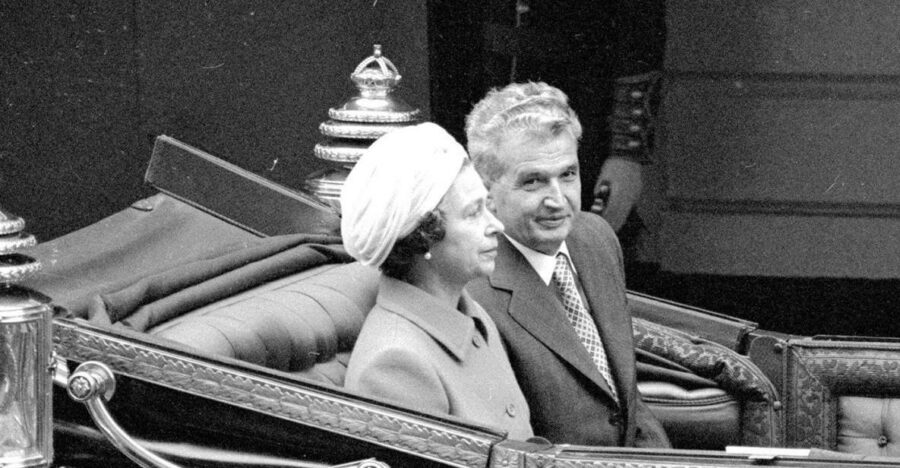
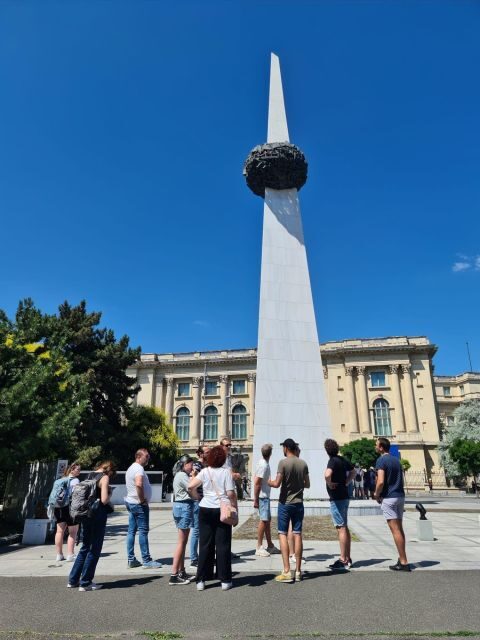
You finish at Revolution Square, with a guided walk that gives this whole tour a spine.
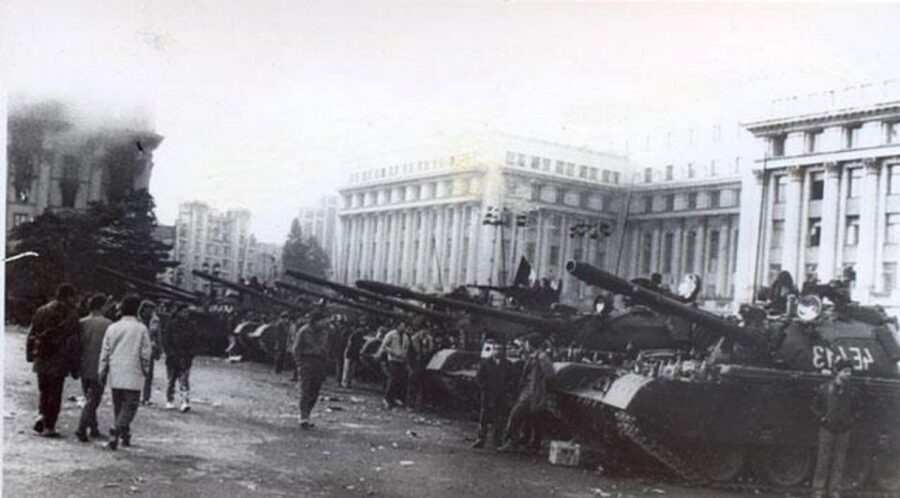
This is where the narrative focuses on Ceaușescu’s last days, the revolution, his trial, and the execution. It’s intense, and the tour doesn’t soften that part. For me, ending here is smart because it forces you to connect the earlier “why” (ideology and control) to the “how it ended” (rapid collapse and consequences).
If you want the emotional payoff, this ending is usually where it lands best. Recent feedback praised guides for making the revolution explanation clear and question-friendly, so you can ask what you need to make the timeline stick.
Price and value: what $23 buys you in 2.5 hours
At $23 per person for a 2.5-hour guided experience, you’re paying for a local guide and tight historical storytelling in central Bucharest. That’s good value if you like context—because the stops are significant, but you won’t get full meaning without the connecting threads.
What you should mentally budget for: entrance tickets aren’t included. So while the core tour price is reasonable, certain interiors may add cost depending on what access is available at the time.
In plain terms: if you’re trying to see Bucharest and learn why it looks the way it does under different regimes, this price feels fair. If you mostly want photos and you don’t care about political context, you might feel the story is heavier than you expected.
Who this tour fits best (and who might want a different pace)
This is a strong pick if you want:
- A focused communism-to-Ceaușescu storyline rather than a random city highlights walk
- Clear explanations of repression, rationing, and regime control
- A guide who stays interactive—people have especially praised guides like Alex and Horia for being engaging and humorous while still serious
It may be less ideal if:
- You want a light, purely scenic tour with minimal political content
- You hate walking between stops where each one is meaningful but not long
Tips so you get more out of every stop
Here are a few things that will help you enjoy it more:
- Arrive 10 minutes early so you can start on time and not feel rushed at the first landmark.
- Wear shoes you trust. It’s a walking route with several short segments, and you’ll cover more than you think in 2.5 hours.
- If you’re curious about the philosophy angle, ask your guide how they connect Hegel/Marx/Engels to what Romania experienced. Some guides cover that chain explicitly.
- Bring questions. The best tours like this work when you interact, not just listen.
Should you book this Bucharest Communism tour?
I’d book it if you want Bucharest to make sense beyond postcards. The mix of monumental architecture, everyday ration facts, and the closing Revolution Square narrative is exactly the kind of structure that helps history stick.
It’s also worth booking if you like guides who can explain heavy topics in a clear, even funny way—people have repeatedly praised guides such as Horia and Alex for engagement and Q&A. Just go in knowing the subject is heavy, and you’ll get a tour that doesn’t waste your time.
FAQ
Where does the tour start?
The meeting point is next to The Coffee shop Constitutiei.
How long is the tour?
The duration is 2.5 hours.
What language is the tour offered in?
The tour is available in English and Romanian.
Is the entrance fees included?
No. Entrance tickets are not included.
When should I arrive?
Please arrive 10 minutes before the activity starts.
What’s the cancellation policy?
Free cancellation is available up to 24 hours in advance for a full refund.