REVIEW · BUCHAREST
Troubled – Notorious Neighborhood – area known for social issues
Book on Viator →Operated by Supplier · Bookable on Viator
Bucharest has a side most people never see. This private, small-group tour focuses on the lived reality of Roma communities, from the hard streets of Ferentari to the contrasting life in Sintești. You’ll ride between neighborhoods, then get guided walking time in places locals actually use.
I love how the tour is built around everyday details, like market stops where you can watch daily routines (and even see the rhythm of local shopping). I also love the tone: guides such as Sebastian or Bogdan (and other local leaders) set expectations early, keep the conversation human, and steer you toward what to notice instead of just what to photograph.
One drawback: this is serious, not sightseeing. You’re walking through areas tied to hardship and social tension, including Rahova and the shadow of Rahova Penitentiary, so you need to keep your attitude respectful, stay with the group, and dress plainly with no flashy items.
In This Review
- Key things that make this tour worth your time
- Ferentari: street-level Bucharest, not postcard Bucharest
- Rahova: Roma life, and the weight of institutions
- A quick reality check on the tone
- Sintești: Roma palaces and the built-in contrast of Bucharest
- The markets and walking time: why the small moments matter
- Safety and respect: how guides handle hard neighborhoods
- A practical checklist for your own mindset
- Timing, pace, and logistics that actually affect your experience
- Who should book (and who should skip)
- Should you book this Bucharest neighborhood tour?
- FAQ
- FAQ
- How long is the tour?
- Is pickup included?
- Is this tour private?
- What neighborhoods and areas are included?
- Are any entry tickets required?
- What language is the tour in?
- Where does the tour meet?
- Is it near public transportation?
- What should I wear?
- Can I cancel for a full refund?
Key things that make this tour worth your time
- Ferentari, up close: a reality check on Bucharest’s lowest-standard area
- Rahova context: Roma community life plus a stop by Rahova Penitentiary
- Sintești contrast: the village side known for Roma palaces
- Markets you can actually see: walking time includes local shopping (including a flower market stop)
- Clear boundaries: the guide explains what’s possible and what isn’t during the visit
- Low-cost admissions: each stop lists admission as free, so you’re paying mainly for guide time and access
Ferentari: street-level Bucharest, not postcard Bucharest
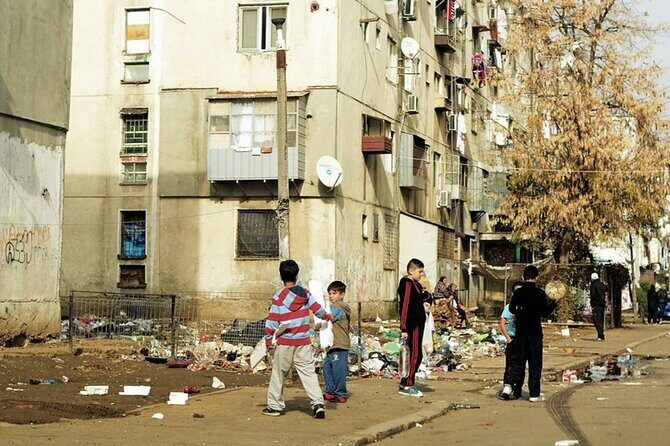
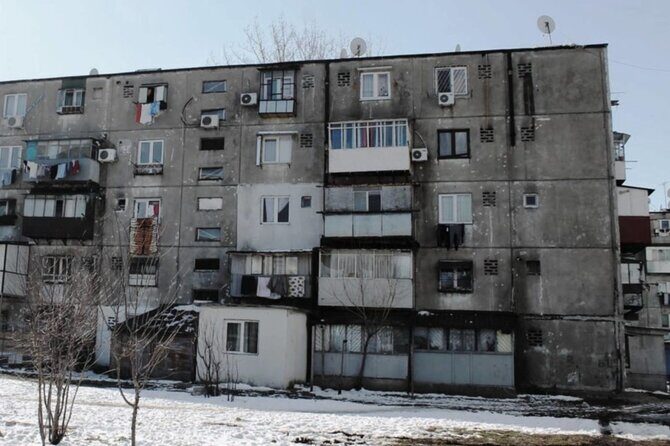
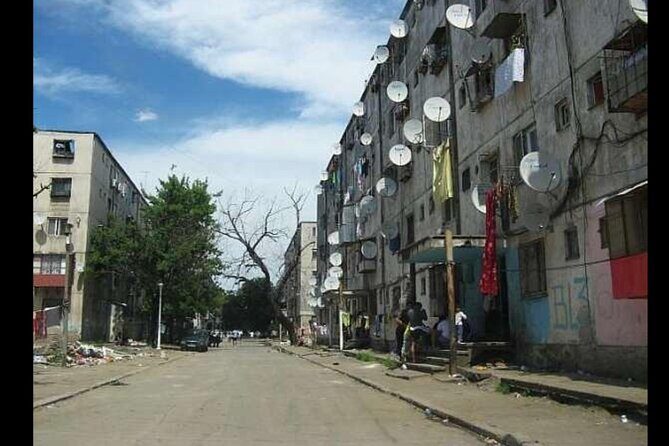
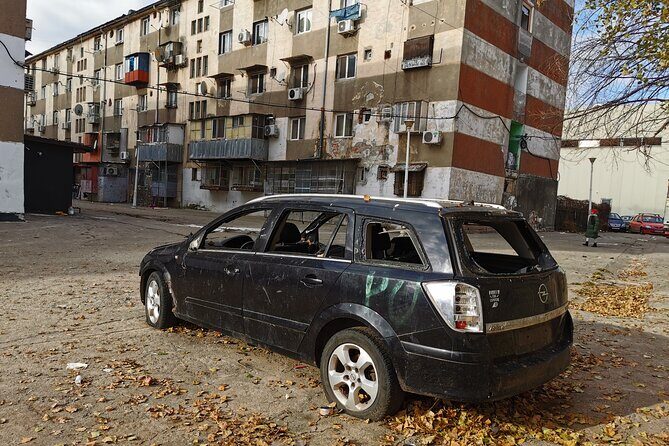
Ferentari is the first stop, and the whole point is to understand Bucharest beyond the center’s neat edges. This isn’t a theme park view. It’s a neighborhood known for deep social problems and a low standard of living compared with the rest of the city. That framing matters, because it tells you what to expect: real streets, real density, and stories that don’t have an easy happy ending.
You’ll spend about 1 hour 10 minutes here, and much of your time is paced to keep you oriented. The guide helps you read what you see—what daily life looks like, how people move, and why certain places feel different when you’re a visitor. In the reviews, people consistently praise the way the guides combine practical explanations with humor, like they’re keeping the mood steady while you process heavy material.
The best part of starting in Ferentari is that it gives you context before you ever go looking for contrast. You’ll see why this tour is often described as the real Bucharest. And you’ll understand that the goal isn’t shock—it’s understanding.
What to watch for (and how to do it politely):
- Look at how spaces are used: storefronts, courtyards, street traffic.
- Don’t treat people like background scenery.
- If you want a photo, ask first and follow what your guide says.
You can also read our reviews of more tours and experiences in Bucharest.


Rahova: Roma life, and the weight of institutions
Then comes Rahova, another long block of about 1 hour 10 minutes, focused on the neighborhood’s day-to-day life and the larger pressures around it. The tour’s framing is direct: Rahova is where many Roma families live, and it also has a major institution nearby—Rahova Penitentiary.
That may sound like a grim add-on, but it changes how the stories land. When you see how neighborhoods are shaped by institutions and risk, you stop thinking of poverty as an abstract concept. You start noticing how systems affect housing, jobs, safety, and even how comfortable people feel around outsiders.
This stop also tends to stand out because it’s not only about buildings or streets. You’re guided through the social logic of the area—what respect looks like, what interactions require caution, and why your behavior matters here more than it does in a typical tourist quarter.
A quick reality check on the tone
This tour doesn’t push you to “solve” anything. It’s about witnessing and understanding. In the reviews, guides emphasized being alert and sensitive, and they clearly mark what you can and can’t do—especially around photography and access.
If you’re the type who wants to roam and take in everything like you’re on a self-guided walk, Rahova will feel restrictive. But if you’re okay with that—if you want structure and context—it’s one of the most meaningful parts of the itinerary.
Sintești: Roma palaces and the built-in contrast of Bucharest
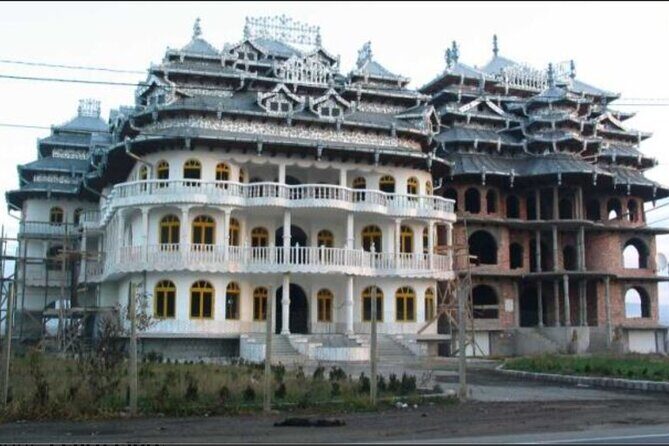
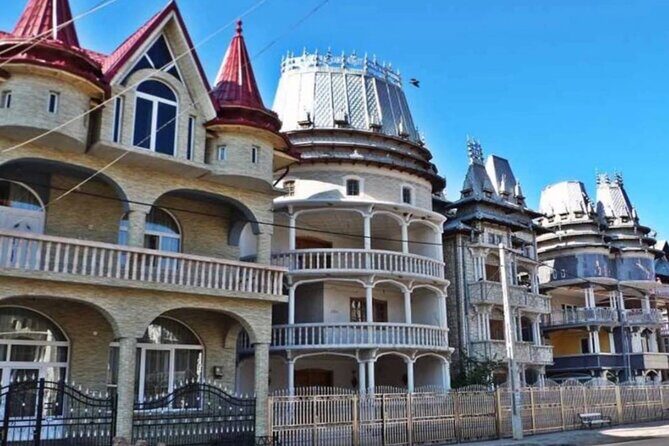
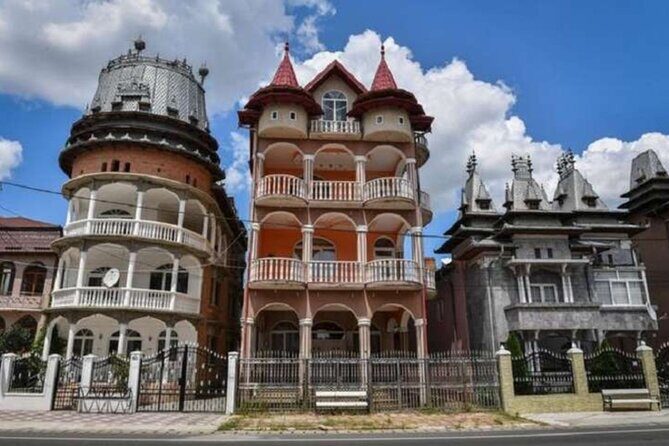
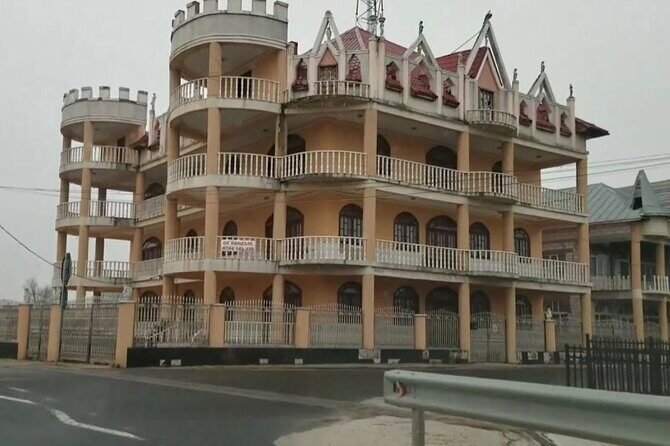
After the harder streets, you’ll go to Sintești (sometimes spelled Sinești), a village area known for Roma palaces. That contrast is the emotional engine of the tour. Bucharest isn’t only one story, and Roma life isn’t only one version. Sintești helps you see why.
You’ll spend about 1 hour 10 minutes here, and it’s a different atmosphere from Ferentari and Rahova. Instead of focusing on scarcity, the guide explains the village’s character and what makes these homes and neighborhoods notable. People often expect this segment to be all about architecture, but the more valuable part is how your guide connects it back to community life, identity, and the local rules of conduct.
One of the best practical outcomes of visiting Sintești is that you’ll leave with less of a one-note mental picture. When a tour can show both extremes—hardship and wealth, struggle and stability—it challenges your assumptions. And it makes the rest of what you saw in the city click into place.
The markets and walking time: why the small moments matter
Even though you’ll travel by vehicle between areas, the tour includes walking segments that make the whole thing feel real fast. One review called out time in a flower market and a local market. That’s exactly the kind of detail that keeps this from turning into a lecture.
Markets are where you can see routine:
- what people buy
- how people price and negotiate
- how families organize their errands
- how the neighborhood communicates through daily movement
If you enjoy “soft data”—the human scale of how daily life works—this part will stick with you. And if you have the right mindset, it’s also where you learn the difference between gawking and observing. Your guide will steer you toward respectful behavior, including how to interact if you’re offered a chance to speak.
One more thing: in the reviews, some people mentioned buying groceries during the market portion. Even if you don’t make a purchase, you’ll learn the rhythm of commerce here—how it’s woven into neighborhood life rather than separate from it.




Safety and respect: how guides handle hard neighborhoods
Let’s talk about what you’re really buying with a tour like this. It’s not just access. It’s interpretation and boundaries.
The guides (names that come up include Sebastian, Bogdan, Catalin, Valerica, and Matthew) don’t just point. They explain what’s and isn’t possible during the visit. They also set expectations on behavior—like being respectful, dressing simply, and avoiding unnecessary attention.
That dressing instruction is important: dress as simply as possible, without jewelry, without expensive items. This isn’t about fashion. It’s about blending in and not advertising that you’re a visitor with something to lose. You’ll also want comfortable shoes. Some parts are on foot, and street surfaces can vary.
A practical checklist for your own mindset
- Keep your phone usage low and intentional.
- Treat people as people, not subjects.
- Follow the guide’s lead on where to stand, where to walk, and when to move on.
- If something feels awkward, don’t push harder. Ask your guide how to proceed.
In the reviews, multiple people said they felt safe with the guide’s direction in these rougher areas. That doesn’t mean you should ignore common-sense street behavior. It means the tour is designed to reduce the “what do I do now?” chaos.
Timing, pace, and logistics that actually affect your experience
This tour lasts about 3 hours 30 minutes, and it’s structured so you get three distinct zones: Ferentari, Rahova, and Sintești. Each segment is around 1 hour 10 minutes, which helps you avoid that rushed feeling you get with some city tours.
Because pickup is offered, you don’t have to solve every transit problem. The meeting points you might see include places like Strada Zăbrăuţului 5, Aleea Iacob Andrei 11, Aleea Livezilor, Strada Pucheni 1, and Strada Amurgului 4. There’s also a Rahova Penitentiary-related stop listed near Strada Adrian 4, plus the village area referenced at Strada Principală Nr. 353A, Sintești. All of this is useful because it signals that you’ll be meeting close to public transportation and moving by local routes.
You’ll also get a mobile ticket, and the tour is run in English. It’s listed as private, meaning only your group participates. That matters here: in sensitive neighborhoods, smaller groups and clear guidance make a difference.
Price-wise, it’s $130.83 per person. That’s not cheap in pure sightseeing terms, but it’s more reasonable when you think about what you’re paying for: a specialist guide, time in places that aren’t on standard tourist routes, and access that depends on trust and local knowledge.
Also, the fact that it’s commonly booked about 48 days in advance suggests it’s in demand. If you care about this exact itinerary, don’t wait until the last week.
Who should book (and who should skip)
This tour is a good match if:
- you want a real understanding of Bucharest, including the parts most visitors avoid
- you’re open to learning about Roma community life through direct local explanations
- you prefer a structured visit with boundaries instead of wandering on your own
It may not be your best choice if:
- you want postcard photos and quick stops
- you’re uncomfortable with discussions that involve social hardship and institutional influence
- you expect unlimited freedom to stop and shoot whenever you want
One more thought: dress and behavior matter more here than in the city center. If you’re coming straight from a night out with jewelry and flashy accessories, plan to adjust.
Should you book this Bucharest neighborhood tour?
I think you should book it if you’re the type of traveler who values context over comfort. The itinerary makes a strong argument: Ferentari shows hardship, Rahova adds social pressure and institutional presence, and Sintești reveals the contrast through the village’s Roma-palace reputation. Add market walking time and a guide who sets boundaries, and you get an experience that’s unusually grounded.
Skip it if your goal is purely scenic sightseeing or if you’re hoping for a casual stroll with no constraints. This tour asks for respect and restraint. In return, it offers something most Bucharest walks can’t: a clearer, more human picture of how people live—up close.
FAQ
FAQ
How long is the tour?
The tour is about 3 hours 30 minutes.
Is pickup included?
Yes, pickup is offered.
Is this tour private?
Yes. It’s a private tour/activity, so only your group participates.
What neighborhoods and areas are included?
You visit Ferentari, Rahova, and Sintești.
Are any entry tickets required?
Admission is listed as free for the stops included in the itinerary.
What language is the tour in?
The tour is offered in English.
Where does the tour meet?
Meeting points can be near addresses such as Strada Zăbrăuţului 5, Aleea Iacob Andrei 11, Aleea Livezilor, Strada Pucheni 1, and Strada Amurgului 4, with the Rahova Penitentiary area referenced at Strada Adrian 4 and Sintești at Strada Principală Nr. 353A.
Is it near public transportation?
Yes, it’s listed as near public transportation.
What should I wear?
Dress as simply as possible, without jewelry and without expensive items.
Can I cancel for a full refund?
Yes, you can cancel up to 24 hours in advance for a full refund.