REVIEW · BRASOV
Sighisoara – Marienburg – Viscri Trip from Brasov
Book on Viator →Operated by Tour Guide Brasov · Bookable on Viator
Saxon fortresses in one day sounds impossible. It actually works here: you get smooth hotel pickup from Brașov plus a route that ties together Feldioara (Marienburg), Rupea, and UNESCO Viscri before you land in medieval Sighișoara. I love how the day is paced for real sightseeing, not just a bus tour stamp, and I love that your guide can explain what you’re seeing as you go, including the big Saxon/Teutonic stories behind the stone.
The one possible drawback is physical: you’ll do cobblestones and stairs in Sighișoara’s upper citadel, so if you’re tight on mobility, plan to move slowly. The good news is the guide can adjust the walking pace when needed, and the stops aren’t so long that you’re stuck burning your whole day on one location.
If you book with Tour Guide Brașov, you’re likely to meet Florin—friendly, flexible, and the type who makes the history make sense without turning it into a lecture. The tour runs in all weather, so dress for rain or chill, and keep an eye out for how long you’ll want at each site (especially Viscri and Sighișoara).
In This Review
- Key things I’d bet on
- Why This 8–9 Hour Trip Works From Brașov
- Feldioara (Marienburg): Teutonic Knights’ Headquarter Fort
- Rupea Fortress: A Saxon Defense Stop on the Main Route
- Viscri Fortified Church: UNESCO, a Remote Village, and Prince Charles
- Sighișoara’s Medieval Citadel: Upper Town on Two Levels
- How Hard Is the Walking, Really?
- Price and What You’re Actually Buying
- Best Fit: Who This Tour Suits
- Should You Book This Sighișoara–Marienburg–Viscri Trip?
- FAQ
- What time does the trip start from Brașov?
- How long does the tour take?
- Is hotel pickup and drop-off included?
- Is this a private tour?
- Do I need to buy tickets for the fortresses and church?
- Is the tour offered in English?
- Are museums in Sighișoara open on Mondays?
- Does the tour run in bad weather?
Key things I’d bet on
- Private, small-group feel (up to 4 people): easier conversation and less rushing.
- UNESCO-led Saxon story: fortresses and churches that show how communities defended themselves.
- Hotel pickup + air-conditioned transport: saves you time and stress in Brașov.
- Teutonic knights at Feldioara (Marienburg): a fortress with a deeper timeline than it looks.
- Viscri’s church and restoration influence: Prince Charles factor is part of the modern story.
- Sighișoara’s upper citadel reality: still inhabited, not just a museum set.
Why This 8–9 Hour Trip Works From Brașov
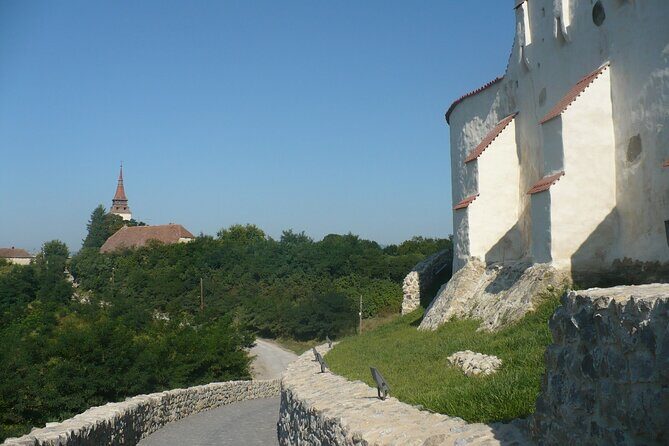
This trip is built for people who want a full day outside Brașov without turning the day into a logistics project. You start at 9:00 am and spend roughly 8 to 9 hours bouncing between sites that are spread out enough that self-planning gets annoying—especially when you’re trying to hit Viscri and Sighișoara in one go.
The value is in the handoff. You get a private vehicle (air-conditioned) and parking handled, plus a professional guide who’s there to connect the dots between fortresses, churches, and the UNESCO-medieval town. If you’ve got limited time in Romania, this kind of routing is the practical way to see more than one “big highlight” day.
Also, it’s in English and uses a mobile ticket. That means less paperwork and more time for the places themselves.
You can also read our reviews of more tours and experiences in Brasov.

Feldioara (Marienburg): Teutonic Knights’ Headquarter Fort
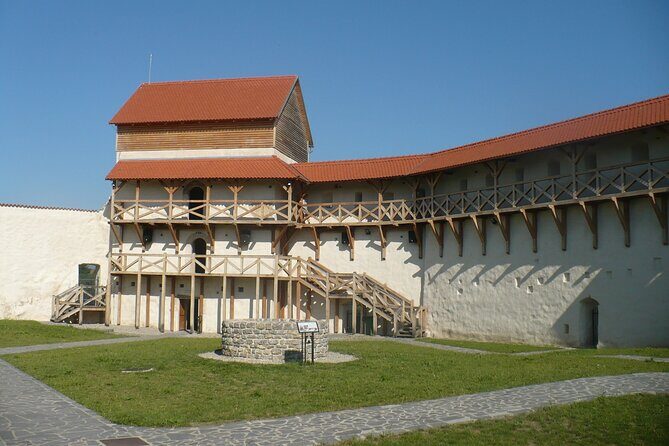
Feldioara is often grouped with Marienburg on the day’s itinerary, and it makes sense because this fortress is tied to the Teutonic knights’ era. The fortress sits about 20 km from Brașov on the way toward Sighișoara, so it’s a natural first stop that doesn’t steal your day’s momentum.
You’re looking at a stronghold that dates to the early 13th century, originally built by the Teutonic knights and used as a headquarters in Transylvania. Like a lot of medieval structures, it didn’t survive intact without scars—there were periods of partial destruction followed by reconstruction. The most recent rescue work happened between 2013 and 2017, which matters because it kept the fortress from slowly fading away.
Plan for about 30 minutes here. That’s enough time to get the shape of the place and understand the bigger context, without turning it into a second-day project. Admission tickets aren’t included, so if you’re the kind of traveler who hates surprise fees, add some extra cash planning for entry.
Rupea Fortress: A Saxon Defense Stop on the Main Route
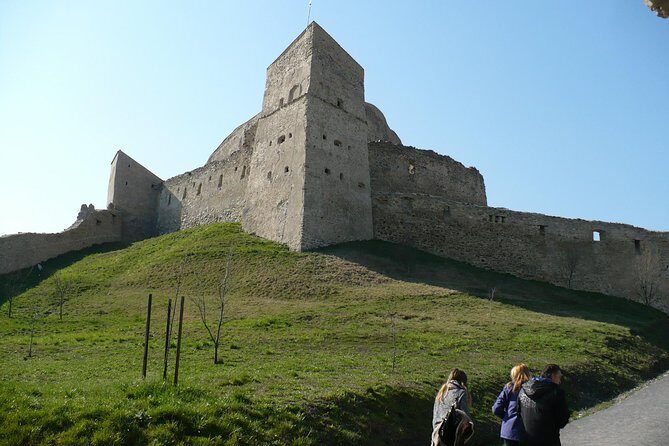
Rupea comes at about halfway between Brașov and Sighișoara, and it works best as a “quick perspective” stop. You’ll see why it was chosen for its position: the fortress sits on Cohalm Hill, named after the volcanic rock that forms the hill.
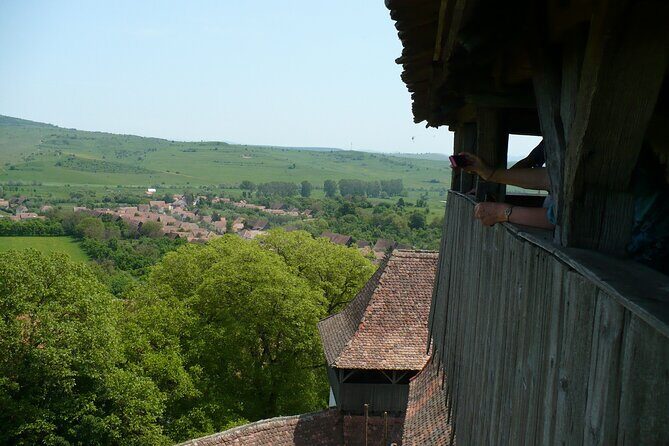
This was Saxon work, built and expanded from the 14th through the 17th centuries. The purpose is very clear—defense and refuge when enemies attacked. What you get on the ground is an imposing, long-lasting presence beside a main road. Even if you only stay for a short stretch, it helps you understand why Transylvania has so many fortified points. People weren’t just building for views. They were building to survive.
The fortress was renovated between 2010 and 2012, which you’ll feel when you look at the structure’s condition and how easy it is to read the site. Admission isn’t included here either, so budget for tickets.
Viscri Fortified Church: UNESCO, a Remote Village, and Prince Charles
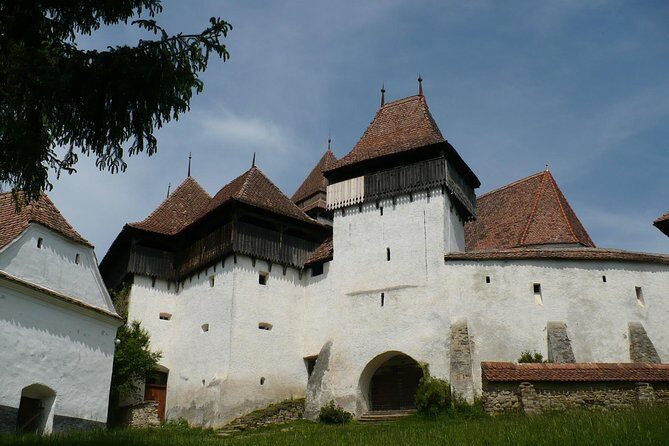
Viscri is the kind of stop that shifts the whole tone of the day. The village is about 5 km off the national road, so you leave the main flow of traffic and get into a quieter, more local pace.
The fortified church belongs to UNESCO heritage and traces back to the early 13th century. This is one of the first churches the Saxons built, designed on a romantic basilica model from the 12th century. In other words, you’re not just looking at a pretty church—you’re seeing a design idea and a community pattern that traveled with the Saxons as they established themselves.
What makes Viscri more than a “church stop” is the modern restoration story. The village became famous after Prince Charles, heir to the British crown, bought a traditional house there. Through a foundation, he helped support restoring and saving many houses that had fallen into severe degradation. That connection doesn’t replace the medieval story—it adds a second layer of why Viscri still feels lived-in instead of staged.
Expect about 1 hour 30 minutes at Viscri. It’s a good amount of time to walk around slowly, look at the church setting, and still make it into Sighișoara with energy left.
And yes, admission isn’t included, so check ticket needs in advance if you want to be completely hands-off during the day.
Sighișoara’s Medieval Citadel: Upper Town on Two Levels
Sighișoara is small, but the medieval center is the real show. What you’ll notice fast is that the town has more going on than the usual Romanian mix of apartment blocks, shops, and infrastructure. The difference is the UNESCO-protected historic center founded by the Saxons in the 13th century.
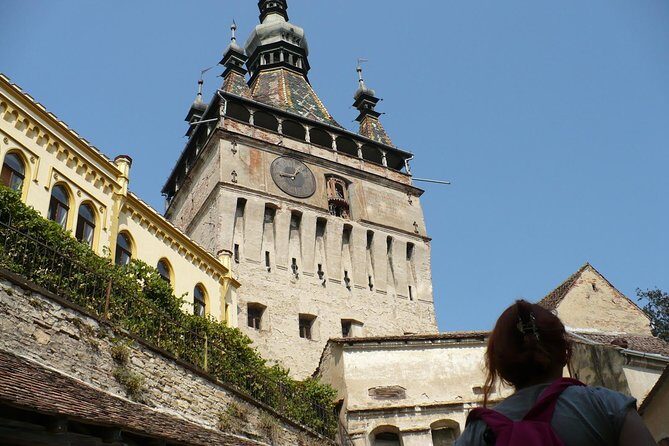
The medieval town sits on two levels. The upper part is the key: it’s built on a hill, enclosed by walls and dotted with defense towers. This is why Sighișoara feels like a fortress even today. And it’s not abandoned. The citadel is still inhabited, so you’ll see daily life mixed into the old stone streets.
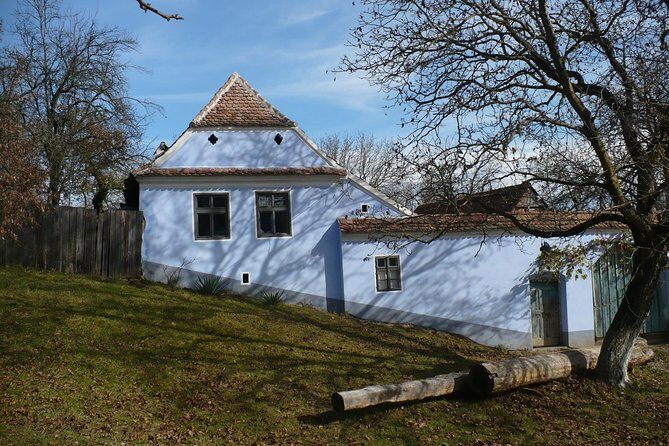
Inside the upper citadel, narrow cobblestone lanes lead you past historical houses painted in bright colors. You’ll also see Gothic-style churches and small guesthouses and restaurants where you can grab traditional food if you planned for it. There’s even a major Dracula connection here: the house where Vlad Dracula was born is located inside the fortress area and is now used as a restaurant.
Timing note: Monday museums in Sighișoara are closed. If your day trip lands on Monday, you’ll still get the fortress streets and views, but you’ll want to adjust expectations for any museum-style stops.
The tour gives you about 2 hours in Sighișoara. That’s enough for a solid walk, a few viewpoint pauses, and time to orient yourself without feeling like you’re being herded.

How Hard Is the Walking, Really?
Sighișoara’s cobblestones and stairways aren’t gentle on everyone. If your legs get tired fast, don’t assume you can “push through” without planning. In this case, the guide’s role is practical: the pace can be adjusted based on your physical comfort.
A helpful strategy is to go in expecting short bursts. Enjoy the lanes and towers, then take breaks when you need them. If you’re traveling with someone who has mobility limits, you’ll want to communicate early so the guide can plan slower routes and reduce unnecessary climbing.
Also remember: the tour operates in all weather conditions, so muddy cobbles in rain can feel harder than dry stone.
Price and What You’re Actually Buying
At $117.75 per person, this isn’t a bargain that sacrifices quality—it’s a fair price for a private day with transport and a guide. You’re paying for:
- a private tour (only your group),
- round-trip hotel pickup and drop-off,
- air-conditioned vehicle and WiFi onboard,
- parking handled,
- guide time across multiple locations.
What’s not included is also important. Food and drinks are on you. Admission tickets for the stops aren’t included either, so you should expect separate entry fees for fortress/church sites you want to go into.
If you compare costs against the time you’d spend arranging rides, finding parking, and piecing together ticket lines, the price becomes easier to justify. This is especially true if you’re traveling in a small group where a private setup still feels reasonable.
Best Fit: Who This Tour Suits
This works especially well if you want a focused Transylvania day that covers different “layers” of the region:
- Teutonic/medieval fortress power at Feldioara,
- Saxon defense and refuge at Rupea,
- UNESCO Saxon village life at Viscri,
- a fully working medieval town at Sighișoara.
You’ll likely enjoy it most if you like walking and photography, and you don’t mind cobblestones. It also fits couples and small friend groups who want conversation with a guide instead of listening to a crowd through a headset.
It’s capped at maximum 4 people per booking, which keeps the experience from feeling crowded. Kids can join too, as long as they’re with an adult.
One more angle: the guide is flexible. If you want extra time for a related stop—like Sighișoara-area Saxon villages or a church visit in the same spirit—the guide may work it in if time allows and your interests match. That’s a nice advantage over rigid, one-size itineraries.
Should You Book This Sighișoara–Marienburg–Viscri Trip?
If you want a day that feels like Transylvania, not just a checklist, I’d say yes. The biggest reason: you’re not only seeing one famous place. You’re seeing the network—fortresses, Saxon church architecture, and the inhabited medieval citadel—connected by an easy transport plan from Brașov.
Book it if:
- you want private, English-guided sightseeing with pickup,
- you’re curious about Saxon/Teutonic roots and how fortifications shaped daily life,
- you’re comfortable with some walking and stairs, especially in Sighișoara’s upper town.
Skip or reconsider if:
- you need a very flat, low-step day (Sighișoara’s citadel terrain is real),
- you don’t want to budget for separate admission tickets and meals.
If you do book, pack good shoes, bring a layer for changing weather, and set one goal for the day: get your bearings in Sighișoara’s upper citadel, then let the rest of the story snap into place.
FAQ
What time does the trip start from Brașov?
The start time is 9:00 am.
How long does the tour take?
It runs for about 8 to 9 hours.
Is hotel pickup and drop-off included?
Yes. The tour includes pickup and drop-off from your Brașov accommodation.
Is this a private tour?
Yes. It’s a private tour/activity, and only your group participates. The booking is limited to a maximum of 4 people.
Do I need to buy tickets for the fortresses and church?
Admission tickets are not included. You should budget separately for entry where needed.
Is the tour offered in English?
Yes, the tour is offered in English.
Are museums in Sighișoara open on Mondays?
No. On Monday, museums in Sighișoara are closed.
Does the tour run in bad weather?
It operates in all weather conditions. You should dress appropriately for rain and cooler temperatures.