REVIEW · BUCHAREST
Life in Communism
Book on Viator →Operated by BucharestGuide · Bookable on Viator
Communism doesn’t hide here. It shows up in buildings, streets, and daily life. I like how this Bucharest walking tour gives you clear explanations tied to specific places, and I also like that you visit around 15 landmarks instead of just a handful of photos. The one catch: it’s a 3-hour outdoor walk, so you’ll want comfortable shoes and to dress for the weather.
I’m also impressed by how the guide style comes through. Names like Daniela, Andreea, Andrea, Augustin, John, and Augustine all show up in the experience as friendly, detailed storytellers who connect the dots from postwar changes to Romania today. Still, because the route is busy and spans multiple sites, you’ll get the most out of it if you’re the kind of person who likes history that has teeth, not just dates.
In This Review
- Key things to know before you go
- Bucharest and Communism on Foot
- The Patriarchal Cathedral start and what the 3 hours feels like
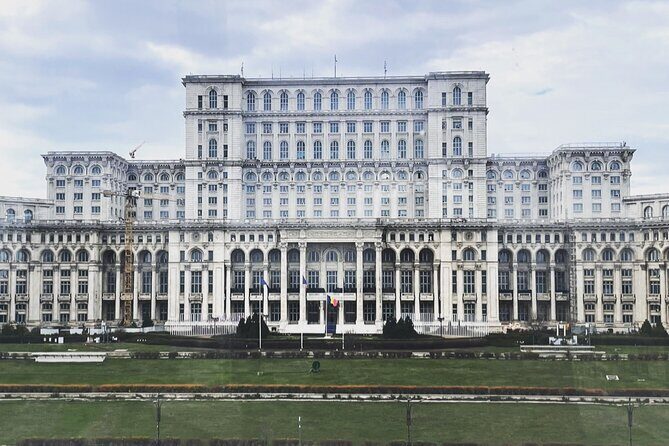
- Palace of Parliament: power made visible
- Calea Victoriei: the city’s “official” spine
- Piata Revolutiei: a turning point written into the streets
- The full route: why about 15 stops beats a quick overview
- Snacks, warm breaks, and the self-supported drink reality
- Price and value: what $31.24 buys you (and what it doesn’t)
- Guides make the difference: Daniela, Andreea, Andrea, Augustin, and John
- Getting the most out of the walk (without overdoing it)
- Who should book Life in Communism?
- Should you book this tour?
- FAQ
- How long is the Life in Communism tour in Bucharest?
- About how many stops will I visit?
- What language is the tour offered in?
- What is included in the price?
- What isn’t included?
- Where does the tour start and end?
- How big is the group?
- Is the tour suitable for everyone in terms of physical activity?
- Is it possible to cancel for a full refund?
Key things to know before you go
- Small group, max 15 travelers: easier questions and less speed-walking between stops.
- English narration: the route is explained clearly in the language most visitors want.
- About 15 stops: you get a timeline feel, not a random hit-list of sights.
- Snacks included: there’s a mid-tour break with communist-type snacks to keep you going.
- No alcohol included: drinks during the break are self-supported, ideally with cash.
Bucharest and Communism on Foot

Bucharest is one of those cities where politics turned into stone. Walk a few blocks and you can feel how systems shaped where people lived, what got built, and what got erased. This tour uses that advantage well: you’re not just staring at landmarks, you’re learning why they exist.
What I like best is the cause-and-effect storytelling. The guide talks about changes like nationalization and the role of the Secret Police, then points to the street-level results you can still see. You’ll come away with a better sense of how the Communist years changed architecture and public life, not just the official story.
If you want to explore on your own after the tour, you’re setting yourself up. Getting your bearings fast matters in Bucharest. With this route’s context in your head, other neighborhoods and buildings start making sense instead of blending together.
You can also read our reviews of more tours and experiences in Bucharest.
The Patriarchal Cathedral start and what the 3 hours feels like
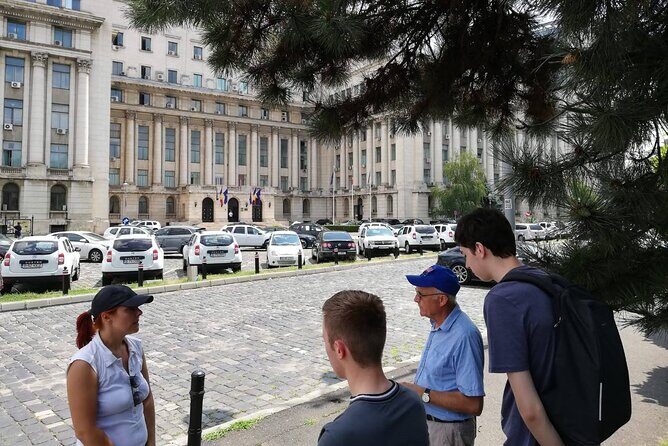
The tour begins at the Patriarchal Cathedral (Aleea Dealul Mitropoliei 25, București) and ends back at the same meeting point. That round-trip setup is practical: you’re not left hunting for a distant pickup time later.
You’ll be outdoors for roughly 3 hours, moving between sites along the way. The listing calls for moderate physical fitness, and that matches what this kind of route usually means: enough walking that comfortable shoes are non-negotiable, but not so extreme that it turns into a hike.
Also, plan for cold or heat. One review mentioned using the mid-tour break to warm up. That’s a real consideration if you’re visiting in shoulder season. Bring layers and you’ll enjoy the storytelling more, because you won’t be spending the walk trying to survive it.
Palace of Parliament: power made visible

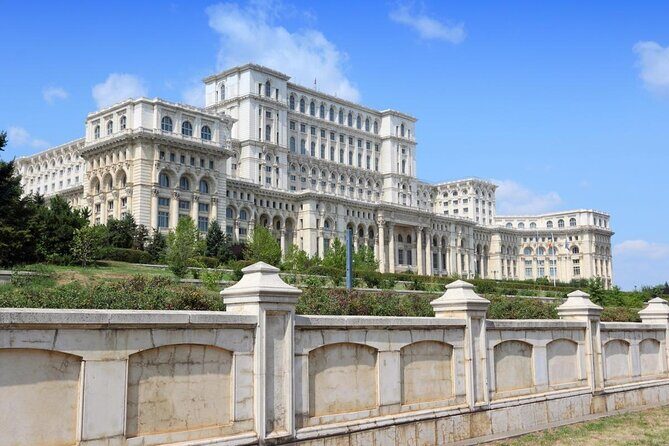
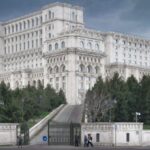
The tour kicks off with the Palace of Parliament. This is the kind of place that makes a point even before the guide starts talking. Under Communism, power wasn’t subtle. It was meant to be seen.
In a tour like this, the goal isn’t just to admire scale. You learn how that scale fits into the era’s logic—control, state priority, and big decisions that shaped the city. The guide then connects the architecture to the lived reality behind it, including what people faced and what the state demanded.
Practical note: this is a standout stop, so arrive ready to look slowly. When your guide frames what you’re seeing—why it looks the way it does—you’ll notice details you’d normally miss, like how monumental design changes the way a city feels in your body as you walk around it.
Calea Victoriei: the city’s “official” spine

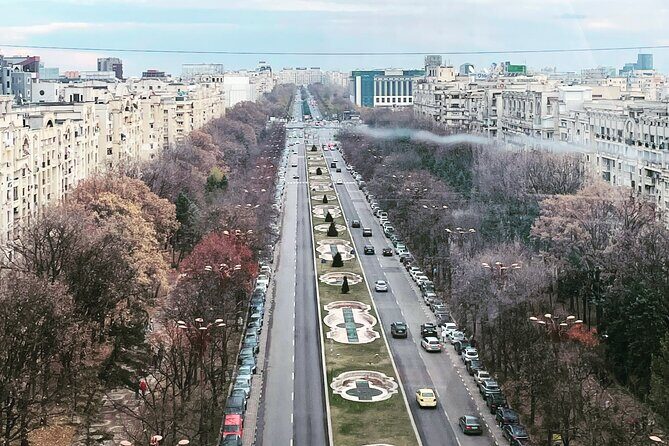
Next comes Calea Victoriei, one of Bucharest’s most famous avenues. It’s the kind of street where architecture and symbolism work together. Under Communist rule, the city’s look shifted, and major roads like this became part of that transformation.
On this stop, you’re not only learning about buildings. You’re learning about how public spaces functioned under the regime. The guide ties the street’s presence to how power played out in the everyday—where people could move, where attention was directed, and how the city’s “center” took on political meaning.
Why this matters: if you only see one or two big sights, you miss the feeling of how systems show up in ordinary movement. Calea Victoriei gives you that bridge between monument and routine.
Piata Revolutiei: a turning point written into the streets

Then you reach Piata Revolutiei. This stop adds emotional weight because it sits closer to the idea of change. If earlier stops help you understand how Communism organized space, this one helps you feel what it meant when the system shifted.
The guide’s narration keeps the timeline moving. The tour is designed around around 15 objectives, each tied to a moment or change during the Communist regime years. Piata Revolutiei fits into that pattern as a place where history is not just stored in museums—it’s out in the open.
You’ll probably notice that the square works as a visual anchor. Even if you don’t know the details right away, you’ll remember it because the guide connects it to what was happening in the country at the time.


The full route: why about 15 stops beats a quick overview
You’ll see roughly 15 objectives across the walk. That number is important. A short tour can give you a taste. This route gives you a timeline feel, which is what helps everything click.
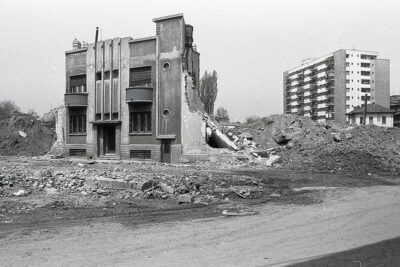
Here’s how it helps in real life: you start noticing patterns. You connect nationalization to what changed in ownership and buildings. You connect the Secret Police to how fear shaped behavior. You connect demolitions to the physical gaps and resets you can still sense in the urban layout.
And because it’s a walking tour, the connections happen while you’re moving. That’s the difference between reading about a period and understanding it through the city’s geography.
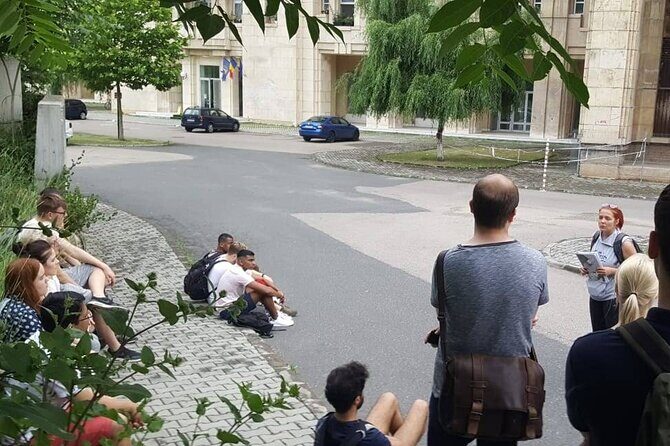
Also, you’re in a small group, max 15 travelers. That matters more than people think. It’s easier to ask a follow-up question when the group isn’t huge and the guide can pause for your angle instead of rushing to the next stop.
Snacks, warm breaks, and the self-supported drink reality
Included in the tour price are snacks of the Communist type. That’s a small detail, but it’s the kind that makes a tour feel more human. It turns a purely educational walk into an experience with a pause built in.
There’s also a short break in the middle. Drinks at that point are self supported. The suggestion is to have cash ideally, so you’re not stuck trying to solve payment logistics while the group waits.
What I’d do: if you’re the type who likes an iced drink or something warm, plan for it in advance. Bring water too, especially if you’re walking in warmer months. Snacks are covered, but not hydration or alcohol.
Price and value: what $31.24 buys you (and what it doesn’t)
At $31.24 per person for about 3 hours, this is priced like a serious walking tour, not a quick drop-in. The value comes from three things you actually feel during the walk:
First, you get a small-group experience with a maximum of 15 people, which keeps the pace manageable. Second, you get a structured timeline across roughly 15 stops, not just one or two highlights. Third, you get snack support and a mid-tour break, so you’re less likely to fade halfway through.
What it doesn’t include is alcohol, and that’s normal for tours focused on education and movement. You’ll handle that yourself at the break. If you’re expecting drinks included, you’ll be disappointed. If you’re okay treating the break as a chance to grab something on your own, the setup works well.
One more practical tip: the experience is commonly booked about 22 days in advance on average. If your trip dates are firm, don’t wait for the last minute.
Guides make the difference: Daniela, Andreea, Andrea, Augustin, and John
A tour like this lives and dies by the guide’s clarity. The experience has several guide names tied to strong outcomes, including Daniela, Andreea, Andrea, Augustin, Augustine, and John.
The big pattern from their styles: detailed explanations at each stop that give a clear picture of what life under Communism was like and why. Some guides also added a personal touch through stories from their own experience, which helps the topic feel real instead of textbook-like. One narration style was praised for having English that’s easy to follow, including an easy-to-hear voice.
If you’re booking and you have a choice, I’d pick based on the guide’s ability to connect the dots for you. The goal here isn’t memorizing terms. It’s understanding how Communism shaped architecture and people—and how that legacy shows up in modern Bucharest.
Getting the most out of the walk (without overdoing it)
You don’t need to be a Romanian history expert before you go. That said, you’ll enjoy this more if you arrive with a curious mindset and a willingness to look at the city with fresh eyes.
A few practical ideas:
- Wear shoes you can walk in for 3 hours without thinking about it.
- Bring a layer for temperature changes, because breaks happen but the route is still outdoors.
- If you want to shop, take photos, or keep exploring after, remember the tour starts and ends back at the same meeting point, so you can build your afternoon plan around that.
If you’re the type who likes to ask questions, the small group size makes that easier. If you prefer to listen quietly and absorb, that works too. The structure of stopping at major sites helps you keep track of the timeline even while you’re focused on the streets.
Who should book Life in Communism?
This tour is a strong fit if you:
- want a walking orientation to Bucharest with meaning behind the buildings
- like recent history that connects directly to what you’re seeing today
- enjoy guides who explain how systems affect real people, not just official landmarks
It may be less ideal if you hate walking, or if you want a very light, casual tour. This one treats Communism as a serious subject and uses the city as the classroom.
Should you book this tour?
If you’re curious about Romania’s modern identity and you want context before you roam the city, I think this is an easy yes. For a bit over three hours, you get a structured timeline across about 15 stops, a mid-tour snack break, and expert narration in English. The small-group size also makes it feel less like a lecture and more like a guided conversation with the streets.
I’d say book it especially if you plan to explore afterward. The tour helps you see Bucharest with better “why” glasses on.
The only reason to skip is if you’re not ready for an outdoor walk in your travel season. If that’s you, consider a shorter activity or plan an indoor-focused day. Otherwise, this is a memorable way to understand the city’s recent past using the streets themselves.
FAQ
How long is the Life in Communism tour in Bucharest?
The tour lasts about 3 hours.
About how many stops will I visit?
You’ll visit roughly 15 objectives around the city.
What language is the tour offered in?
The tour is offered in English.
What is included in the price?
The tour includes communist-type snacks. You also receive a mobile ticket.
What isn’t included?
Alcoholic beverages are not included. Drinks at the break are self supported.
Where does the tour start and end?
It starts at the Patriarchal Cathedral (Aleea Dealul Mitropoliei 25, București) and ends back at the same meeting point.
How big is the group?
The maximum group size is 15 travelers.
Is the tour suitable for everyone in terms of physical activity?
The tour notes a moderate physical fitness level is required.
Is it possible to cancel for a full refund?
Yes. Free cancellation is available up to 24 hours in advance for a full refund.