REVIEW · BUCHAREST
Bucharest: Communist Tour including Ceausescu Residence
Book on GetYourGuide →Operated by Rolandia · Bookable on GetYourGuide
This kind of tour turns Bucharest into a story you can walk through. You’ll see communist-era infrastructure, then jump to the symbolism-packed Palace of the Parliament and finish at Ceausescu’s Spring Palace. If you’re lucky with your guide, it can be a seriously clear, well-paced lesson in how power shaped everyday life, like the excellent explaining I’ve heard about from guides such as Claudia, Marcel, and George.
What I like most is that you get hassle-free transport and a guided flow that saves you from piecing it together yourself. You also get inside access at the big-ticket stops, with entrance fees covered for the Parliament (minus the photography fee) and Ceausescu’s residence.
One thing to consider: the biggest building, the Palace of the Parliament, can involve a long security wait even when your time slot is set, so build in patience.
In This Review
- Key Points Worth Your Time
- The 7 Hours That Make Communist Bucharest Make Sense
- Hotel Pickup and Communist-Era Metro Stops: Your Fast Orientation
- A Working-Class Neighborhood: Planning on Paper, Life in Practice
- Palace of the Parliament: Power, Cost, and What It Represents
- What to know before you go inside
- Spring Palace (Palatul Primaverii): Ceausescu’s Residential World
- Timing matters here
- Transport and Group Size: Why the Logistics Are Part of the Value
- Price: Is $256 Fair for What You Get?
- Photo, Shoes, and Other Small Details That Save Your Day
- When Access Changes: Parliament Availability and Spring Palace Hours
- Should You Book This Communist Tour?
- FAQ
- How long is the Bucharest Communist Tour with Ceausescu Residence?
- Where does the tour start?
- What’s included in the price?
- Is lunch included?
- Can I visit the Spring Palace any day of the week?
- Can I cancel for a full refund?
- What do I need to bring?
Key Points Worth Your Time
- Hotel pickup plus metro stops right at the start so you get orientation fast.
- Working-class neighborhood viewing to connect communist planning to daily life, not just monuments.
- Palace of the Parliament context: you learn why it exists and what it meant for Bucharest.
- Spring Palace visit to see Ceausescu’s family life in a residential setting.
- Transport included via modern car, minibus, or coach, which matters in Bucharest traffic.
- Photography may cost extra at the Parliament, since photography isn’t included in the listed entry.
The 7 Hours That Make Communist Bucharest Make Sense
This tour is built for people who want meaning, not just photos. In seven hours, you move through three different types of communist-era storytelling: public space (metro stations), planned living (a working-class neighborhood), and power on display (the Parliament). Then you end with a more private, domestic contrast: the Spring Palace, where the Ceausescu couple lived.
That structure is the key value. You’re not only seeing what was built. You’re learning why it was built and how that shaped daily life. And because the day includes organized transport and an English-speaking guide, you’re not burning time figuring out routes, ticketing, and where to stand for the best vantage points.
The pacing is also realistic. You’ll spend enough time to get the message, but not so long that the day drags. Just remember: you’ll be walking on visits and moving between locations, so wear shoes you trust.
You can also read our reviews of more tours and experiences in Bucharest.
Hotel Pickup and Communist-Era Metro Stops: Your Fast Orientation
The day begins with pick-up from your hotel reception. That matters in Bucharest because time gets eaten by getting across town and figuring out where to meet.
First stop is a couple of metro stations built during the communist period. These aren’t just transportation hubs here. They’re examples of how the regime invested in everyday public projects while shaping the city’s identity. Metro stations also tend to be a great early move because you get bearings fast: your guide can point out what to notice, and you’ll understand the city’s scale before you hit the big palaces.
Practical tip: if you’re sensitive to walking distances, plan to take it slow around entrances and stairways. You’ll want comfort more than speed.
A Working-Class Neighborhood: Planning on Paper, Life in Practice
Next comes a neighborhood built for the working class, created by the dictator. This is where the tour shifts from architecture as propaganda to the lived reality of housing and community life.
For me, this is the most important part of the itinerary because it gives you a human reference point. The Parliament is huge and unforgettable, but it can also feel abstract if you don’t connect it to how people actually lived. A well-run segment here turns buildings into context: what “standard living” meant, what tradeoffs existed, and how planning filtered into daily routines.
You should also expect a more “moving around” feel in this part of the day compared to the big indoor monuments. You’ll be looking, listening, and forming your own picture of how the city was engineered for specific social outcomes.
Palace of the Parliament: Power, Cost, and What It Represents
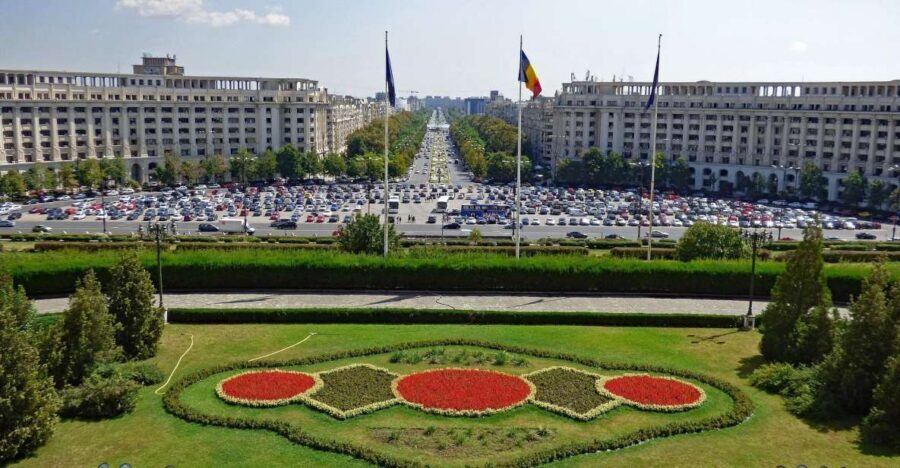
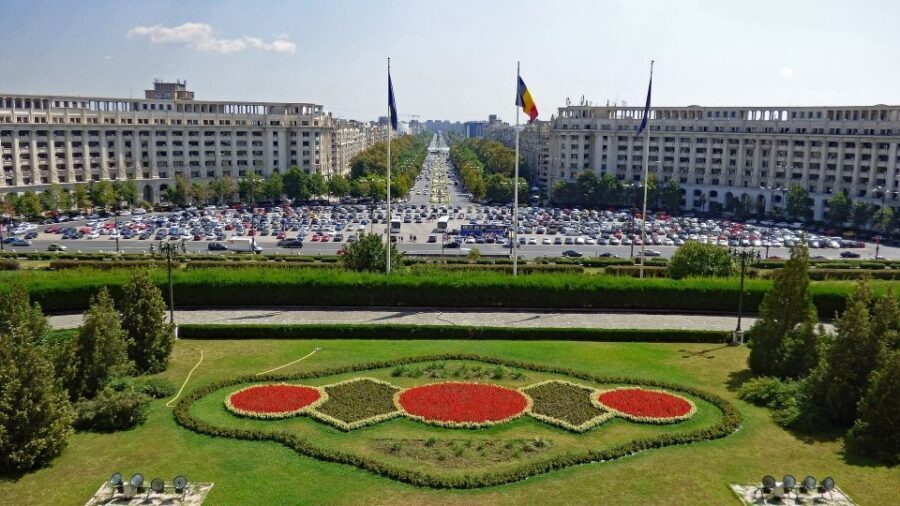
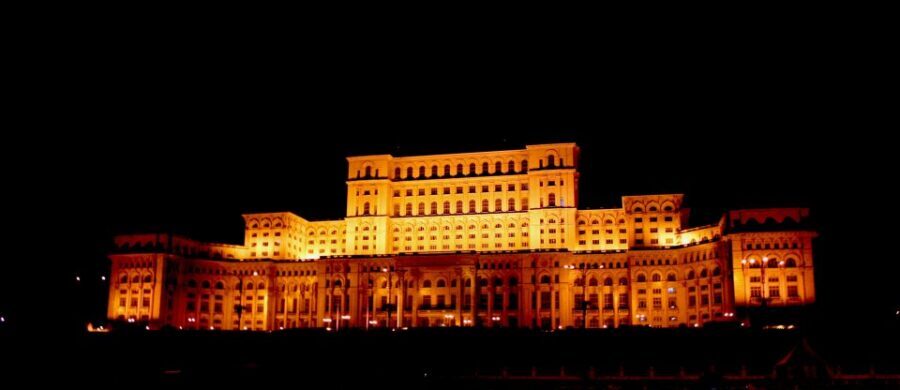
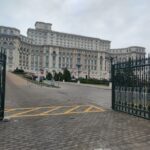
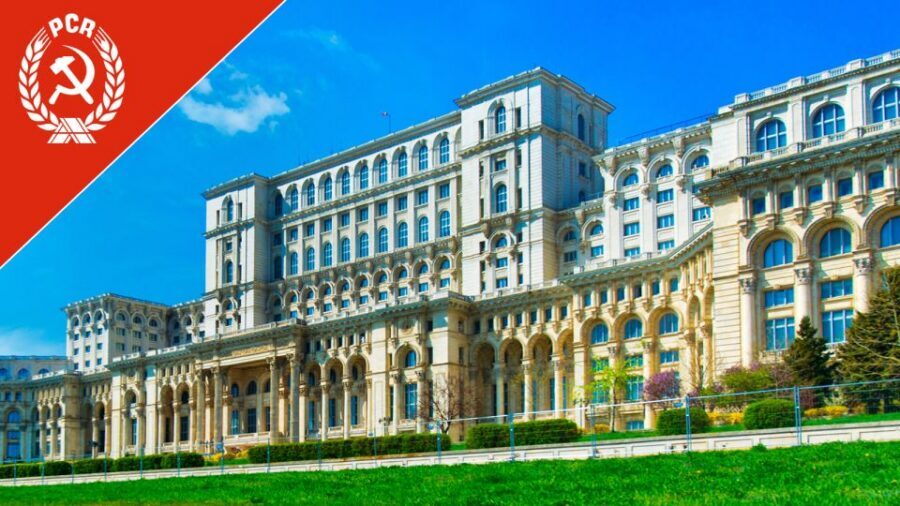
Then you head to the Palace of the Parliament, a building tied to Ceausescu’s larger plan to rebuild Bucharest, often called Project Bucharest. The building was completed in 1997, and that date matters: it tells you the project didn’t end cleanly with the communist period in the way people might assume.
This stop is likely why the tour feels intense in a good way. The Palace of the Parliament is one of those places where scale can distract you. A strong guide helps you read the design choices and understand what the building meant—politically and psychologically. You’ll also get to connect details you learned earlier in the metro and neighborhood segments back to the Palace.
What to know before you go inside
- Entrance fees are included, but photography isn’t, so expect a separate fee if you want photos there.
- There can be a wait at the Palace for security and entry. In one case, the line ran over an hour even with a fixed time.
If you dislike waiting, this is the one part where you’ll feel it. Still, once you’re in, the structure and guided explanations usually make the time feel worthwhile.
Spring Palace (Palatul Primaverii): Ceausescu’s Residential World
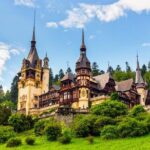
The final destination is the residential Ceausescu Palace, also known as the Spring Palace (Palatul Primaverii). This is the contrast to the Parliament. Instead of state spectacle, you’re looking at the private, everyday stage where the famous couple lived their lives.
Visiting a residence changes how you read the era. It pushes you to think in terms of comfort, privilege, and distance between leadership and the rest of the country. Even if you’re already familiar with communist-era Romanian politics, a residential setting tends to make the power dynamics feel more immediate.
Timing matters here
The Spring Palace can be visited Wednesday through Sunday from 10:00 AM to 6:00 PM. If your tour date lands outside that window, the day’s flow can be different, so make sure your departure time matches the access hours.
Also note: entrance fees for the Ceausescu House are included.
Transport and Group Size: Why the Logistics Are Part of the Value
This is the kind of tour where transport choices directly affect your experience. You get modern, well-equipped car, minibus, or coach instead of juggling taxis or trying to navigate unfamiliar public transit with a fixed schedule.
Group size can vary. Even though the tour is described as a private group, I’ve seen examples where the group counted around 26 people. Larger groups can mean more waiting, but they can also mean better economics if you’re traveling with friends or want a bigger group dynamic.
One more scheduling point: for shared trips, you can face a delay of up to 30 minutes. If you’re trying to stack multiple tours on the same day, keep your next plan flexible.
Price: Is $256 Fair for What You Get?
At $256 per person for about 7 hours, the price is about whether you’re buying convenience plus guide time plus entrance access.
Here’s what’s covered:
- Transport during the tour
- An English-speaking guide (and other language guides like Spanish, French, or German on request)
- Entrance fees for the Palace of the Parliament (excluding photography fee) and Ceausescu’s House
Lunch and personal expenses are not included, so plan a meal around it.
So is it good value? For me, yes—especially if you’d otherwise spend time coordinating transport and buying tickets for multiple sites. The tour also does something important: it connects sites in a logical order so the facts stick instead of bouncing off your brain like random dates.
If you’re traveling solo and comfort with walking is limited, you should still think about the pace and site access, because this tour is not suitable for wheelchair users and mobility impairments.
Photo, Shoes, and Other Small Details That Save Your Day
A few practical notes that can make the difference between smooth and stressful:
- Bring your passport or ID card.
- Wear comfortable shoes. You’ll be on your feet for multiple stops.
- Pets aren’t allowed.
- Expect photography rules at the Parliament to be stricter than you might want. Since the photography fee isn’t included, you may need to pay extra at the venue.
Also, if you’re sensitive to crowds, the Palace of the Parliament is the place to remember that waiting can happen.
When Access Changes: Parliament Availability and Spring Palace Hours
Two access rules can affect your specific day:
- The Spring Palace visit window is Wednesday–Sunday, 10:00 AM–6:00 PM.
- There’s a specific historical note: from January 1 to June 30, 2019, the Palace of the Parliament hosted works for the Romanian Presidency at the Council of the European Union, and entry wasn’t guaranteed. If the Palace can’t be visited, it may be replaced by another attraction or you can choose a refund.
This is mainly relevant for those traveling in certain timeframes, but it’s worth knowing because it explains why a tour might shift plans.
Should You Book This Communist Tour?
Book it if you want a focused day that connects public symbols (metro and Parliament) with private power (Spring Palace) and planned housing (working-class neighborhood). This is a strong choice if you care about understanding the system, not just collecting landmark photos.
Skip it (or think twice) if:
- You can’t handle potential security lines and waiting, especially at the Palace of the Parliament.
- You need wheelchair-friendly access; this tour is not suitable for mobility impairments or wheelchair users.
- You’re expecting a very specific niche access detail that isn’t clearly included. I’ve seen a case where a requested bunker-related element wasn’t delivered as promised, so if you have a special access requirement, confirm what’s actually included for your date before you pay.
If your goal is to get the story in one efficient day, this tour is one of the cleaner ways to do it in Bucharest.
FAQ
How long is the Bucharest Communist Tour with Ceausescu Residence?
The tour duration is 7 hours.
Where does the tour start?
It starts with a pickup from your hotel reception.
What’s included in the price?
You get transport with a modern car, minibus, or coach, an English-speaking guide (with other language guides available on request), and entrance fees for the Palace of the Parliament (excluding the photography fee) and for Ceausescu House.
Is lunch included?
No, lunch is not included.
Can I visit the Spring Palace any day of the week?
No. The Spring Palace can be visited Wednesday to Sunday from 10:00 AM to 6:00 PM.
Can I cancel for a full refund?
Yes. Free cancellation is available if you cancel up to 24 hours in advance.
What do I need to bring?
Bring your passport or ID card and wear comfortable shoes.