Romania moves fast on this route.
What makes this trip fun is the mix: Maramures wooden churches plus major Transylvania stops like Alba Iulia, Sighisoara, Bran, and Peles—all with an English-speaking guide keeping the story straight. I especially like how the itinerary pairs big-name landmarks with hands-on local culture in Maramures, including wood carving and village life. One thing to keep in mind: you’re covering a lot of ground, so expect serious driving days and a tour rhythm that isn’t built for slow pacing.
For value, I like that transportation is handled by minivan, with live commentary onboard and local taxes included. You also get two dinners in a Maramures house, which is a strong way to experience regional flavors instead of just eating on the go. The possible drawback is budget clarity: entrance fees and photo fees are not included, and you’ll also need to plan lodging in Sibiu, Sighisoara, and Brasov on your own.
In This Review
- Key things that make this tour worth your time
- How this 6-day Transylvania route actually moves from Bucharest
- Small-group comfort: minivan, guide, and why the pace matters
- Curtea de Argeș Monastery to Sibiu squares: a strong start with the right tone
- Alba Iulia and Corvin Castle: where empires overlap
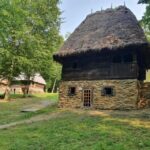
- Breb and Maramures wooden churches: Barsana, wood carving, and everyday life
- Sighisoara’s medieval streets: Dracula birthplace without the gimmicks
- Biertan and Viscri UNESCO forts, then Brasov: forts, markets, and church views
- Bran Castle and Peles Castle: legends, borders, and a 19th-century palace finish
- Price and logistics: what your $2,247.56 buys, and what you should budget
- Lodging reality check: included Maramures nights, plus your own nights in key cities
- Who this tour fits best (and who should think twice)
- Should you book this 6-Days Transylvania & Wooden Churches tour?
- FAQ
- What’s the meeting point and start time for the tour?
- Is the tour price all-inclusive, or do I need to pay extra for tickets?
- How many people are in the group?
- Is Transfăgărășan Highway part of the plan year-round?
- What meals are included?
- Is there a vegetarian option?
Key things that make this tour worth your time
- Max 8 travelers: small-group feel, easier questions, and less waiting around.
- English-speaking guide with on-board commentary: you get context during long drives, not just at stops.
- Maramures focus: Barsana Monastery, a wood carver visit, and the wooden churches circuit.
- UNESCO fortified churches: Biertan and Viscri get real attention, not a quick photo stop.
- Seasonal Transfăgărășan plan: Transfăgărășan Highway only fits June–October, with a backup route if it’s closed.
How this 6-day Transylvania route actually moves from Bucharest
This is a classic Romania “greatest hits” plan, but it’s organized like a circuit. You start early from the Hilton Garden Inn in Bucharest (meeting point), then the trip pushes west and north to Transylvania, with Maramures as the main cultural highlight. After that, you loop back through central Transylvania (Sighisoara, Biertan, Viscri, Brasov) and finish with the big castle pair near Bran and Sinaia before returning to Bucharest.
What I like for your planning: you know the day-to-day geography ahead of time. The tradeoff is that some days are long drives, so you’ll want good snacks and water habits. The tour notes a moderate physical fitness level, so think comfortable walking through medieval streets and church visits, not hiking.
You can also read our reviews of more tours and experiences in Bucharest.
Small-group comfort: minivan, guide, and why the pace matters
You’ll travel by minivan, which is key here. It’s the difference between seeing a few towns and actually connecting the dots across regions. With live commentary onboard, the long road time becomes part of the experience rather than just transit.
The guide is part of the value. In past runs with this operator, groups have traveled with guides including Marius, Andrei, and Paul—each noted for strong communication and a real love for Romania. One practical bonus: on request, some guides have taken routes through villages instead of using only highways. That matters because it changes what you see through the window.
Just be honest with yourself about pacing. This itinerary is packed. If you want downtime every day, this may feel like constant checkmarks.
Curtea de Argeș Monastery to Sibiu squares: a strong start with the right tone
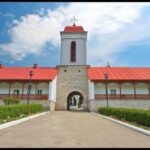
Day 1 is about getting oriented and setting culture context. First up is Curtea de Argeș Monastery, where you’ll visit a Moorish-style Orthodox church. The stop is short, around 20 minutes, and admission is listed as free. The payoff is perspective: Romania’s Orthodox roots show up all over Transylvania, so starting here helps later stops make more sense.
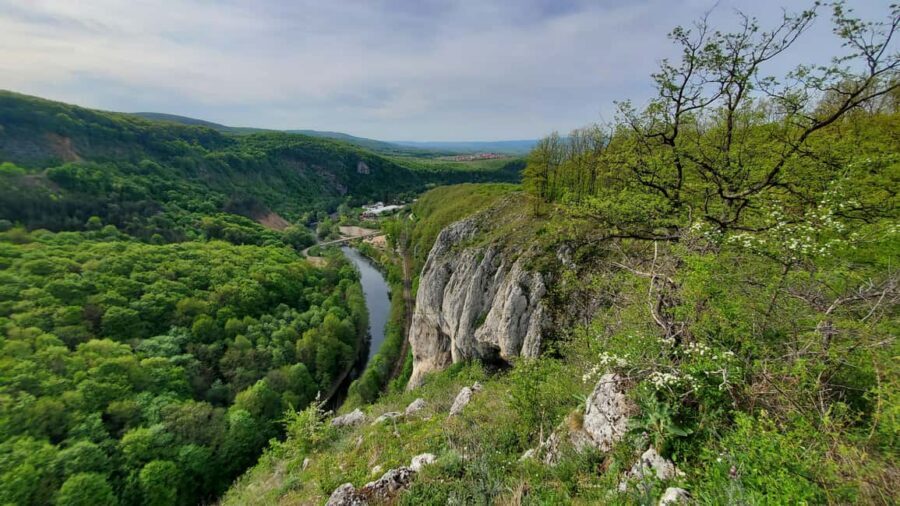
Next comes the big-road drive. If conditions allow, you take Transfăgărășan Highway, a scenic route that only runs June–October. The tour also has a backup: if the highway is closed, you’ll use the Olt Valley River Road instead. You’ll reach Sibiu in the afternoon for a walking tour of the Old Town, including time around Big Square and Small Square.
For you, the Sibiu segment is a useful palate cleanser. It’s not just castles and legends; it’s streets, squares, and everyday historic town layout.
Alba Iulia and Corvin Castle: where empires overlap
Day 2 begins after breakfast with Alba Iulia, a former Roman city with a citadel that reflects layers of rule. This is one of those places where you can literally walk across eras. The tour highlights the well-preserved medieval and ancient elements, plus key sites inside the citadel area, including an Orthodox Monastery and the main gates.
Alba Iulia also matters for modern Romania: it’s the city associated with the unification signing in 1918. The itinerary frames this as part of understanding the country you’re visiting—not only its medieval past.
Then you head for Corvin Castle, described as one of the region’s most emblematic castles. The tour doesn’t include deeper specifics about time inside, but you’re positioned for a classic fortified-castle moment before continuing onward to Maramures.
By the end of Day 2, you’re in Breb village in Maramures, staying in a traditional wooden house. That shift—from formal fortress history into wooden-house living—is one of the best “contrast beats” in the whole schedule.
Breb and Maramures wooden churches: Barsana, wood carving, and everyday life
Day 3 is the heart of what you came for: Maramures. You start at Barsana Monastery, presented as one of the most important monasteries in the area. The stop is designed to show local culture, especially through wood carving and decorative craft traditions.
From there, you visit a wood carver, and this is exactly the kind of stop that makes a tour feel real instead of staged. You’ll also visit Muzeul Tărancii Române in Dragomirești, which includes a look at traditional house life and belongings. Admission for this museum is listed as not included, so consider it part of your on-the-ground budget.
Then the itinerary moves into the wooden churches of Maramures. These churches are famous for the way wood design carries history, not just religion. After that, there’s an interesting local-life stop described as a whirlpool area where people traditionally washed clothes and rugs. It’s a small detail on paper, but it helps you understand what the landscape and daily routine were like.
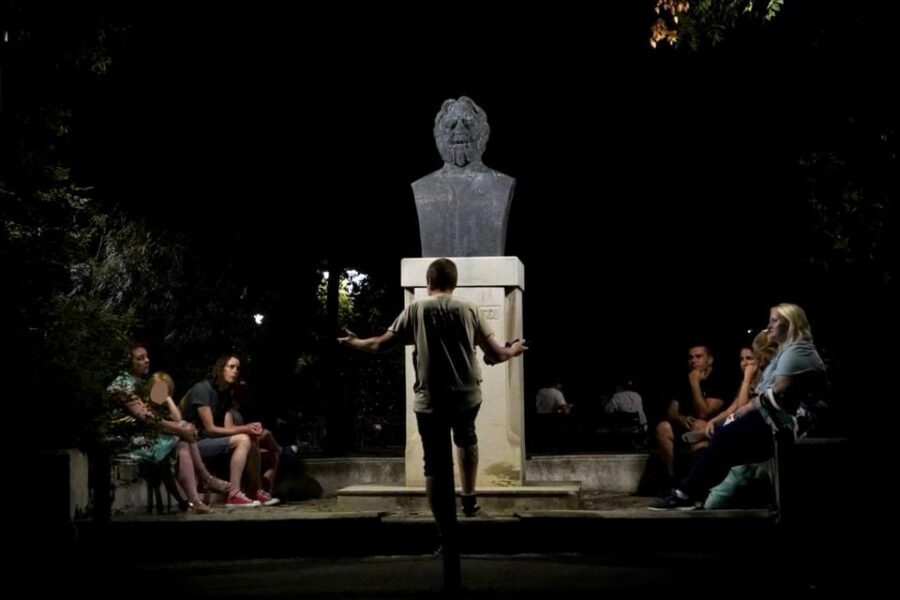
You finish at Merry Cemetery, built in 1947 and focused on humor rather than sadness, with the guide sharing stories tied to the place. If you like local quirks and you’re open to a different tone around death and memory, this can be the day’s most memorable emotional pivot.

Sighisoara’s medieval streets: Dracula birthplace without the gimmicks
Day 4 takes you to the center of Transylvania: Sighisoara. The town is described as well preserved and tied to Vlad Dracula as his birthplace. You’ll have a walking tour with the guide, scheduled for about three hours, and the tone is fairytale-looking medieval streets rather than theme-park drama.
What you’ll like here is that Sighisoara is walkable in a way that suits a guided group. Instead of racing between far-flung sites, you get a concentrated Old Center experience, which is easier to enjoy on a day when everyone’s had some driving already.
One practical consideration: since entry fees are listed as not included for this segment, you’ll want to plan around that when estimating total costs. If you’re trying to keep surprises down, build in some buffer.
Biertan and Viscri UNESCO forts, then Brasov: forts, markets, and church views
Day 5 is split between UNESCO sites and a city afternoon. First, you visit Biertan Fortified Church, a UNESCO heritage stop. Fortified churches in this region weren’t decorative. They were defensive structures, and the hilltop views explain why they mattered.
After Biertan, you go to Viscri Fortified Church and the surrounding village. Viscri is described as one of the best-preserved Transylvanian villages, with Prince Charles having bought houses there. That detail is useful because it signals the village has had attention and protection—but it also means you should expect visitors. Admission is listed as free for the Viscri church stop in the itinerary.
You can also opt for a local traditional lunch, but that’s at your own expense. After Viscri, you head to Brasov for a short walking tour. You’ll pass the Black Church, spend time around Council Square, and see main former gates as part of the city overview.
For you, the Brasov part is a good closer for this day. It gives you a larger-town feel after the fortified villages.
Bran Castle and Peles Castle: legends, borders, and a 19th-century palace finish
Day 6 is the classic castle finale, and it works because it contrasts two different kinds of power.
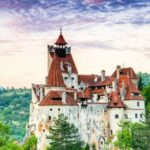
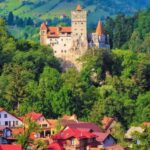
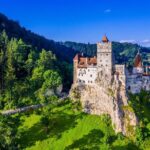
First: Bran Castle, also connected with the Dracula legend. The itinerary explains the castle’s 14th-century role as a custom point between Transylvania and Wallachia. Your guide will lead you inside to cover what’s real versus legend surrounding Vlad Dracula and Bran Castle. After the visit, you can check out the market in front of the castle for souvenirs.
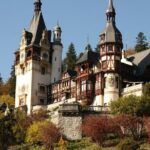
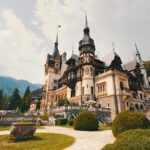
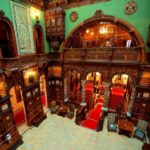
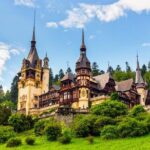
Then you transfer through the Carpathian Mountains toward Peles Castle in Sinaia. This is described as a well-preserved palace built in the 19th century by Romania’s first king. The guide leads you through the rooms and highlights details in the palace interiors. The stop is about two hours for the castle itself, followed by the drive back to Bucharest, ending at the original meeting point.
If you care about architectural style, Peles is a strong way to end. You go from border-station intrigue and shadowy legends into a palace built for display and craftsmanship.
Price and logistics: what your $2,247.56 buys, and what you should budget
The price listed is $2,247.56 per person for an approximately 6-day trip. What you’re getting for that cost is substantial: transport by minivan, an English-speaking guide, live commentary, and local taxes. You also get two nights’ overnight accommodation included in Maramures, plus two homemade dinners in a Maramures house.
Now the part you need to plan: entrance fees are not included (listed estimate: 50 euros per person), and photo fees are also not included. Some stops show free admission in the itinerary notes, while others explicitly say not included, so your final cost will vary based on what you choose to enter and what fees apply on site.
Meals are another clarity item. Included meals are listed as breakfast (2) and dinner (2). That likely covers the Maramures overnights rather than every day. For everything else—lunches, additional dinners—you’ll be paying yourself, so bring a flexible daily meal budget or plan to eat simply near tour stops.
Lodging reality check: included Maramures nights, plus your own nights in key cities
This tour includes two nights in the Maramures region, specifically with a traditional wooden house stay in Breb village. That’s one of the strongest “included” advantages because it places you where the wooden church culture actually lives.
However, the tour also states that overnight accommodation in Sibiu, Sighisoara, and Brasov is not included. So you’ll likely book those city nights separately. This matters for value. If you assume everything is handled, you’ll be surprised. If you plan ahead, you can manage it easily because those are standard tourism bases with many options.
Also note the single supplement detail: there’s a single supplement only for Maramures region listed as 100 euro per room.
Who this tour fits best (and who should think twice)
I’d recommend this trip if you want a structured introduction to Romania without the stress of planning day-to-day logistics. It’s ideal for history + architecture lovers and people who value guided context—especially when the driving between regions is long.
It also fits well if you want more than castles. The Maramures day focuses on culture and craft: monasteries, wood carving, museum-style context in Dragomirești, wooden churches, and even the Merry Cemetery stories. That combination is a better use of your time than a pure castle-hopping route.
Think twice if you hate long drives or you want unscheduled time every day. This itinerary is built for movement. Also consider your meal preferences: only two breakfasts and two dinners are listed as included.
Good news if food matters: a vegetarian option is available, and you should advise it during booking.
Should you book this 6-Days Transylvania & Wooden Churches tour?
If your priority is Maramures wooden churches plus fortified UNESCO stops, this is a strong match. You get a small group size, an English-speaking guide, transport, and key included meals where it counts most—at least two real dinners and two breakfasts tied to your Maramures stay.
Book this tour when you’re comfortable handling entrance fees (budget that 50 euros per person estimate) and when you’re ready to arrange your own lodging in Sibiu, Sighisoara, and Brasov. Skip it if you want a lighter pace or if you need fully included meals and lodging every single night.
Also, if plans change, the experience notes a full refund up to 3 days before the start time, which is a reasonable safety net.
FAQ
What’s the meeting point and start time for the tour?
You’ll meet at the Hilton Garden Inn on Strada Doamnei 12, Bucharest (postcode 030055). The start time is 8:00 am.
Is the tour price all-inclusive, or do I need to pay extra for tickets?
Entrance fees are not included. The tour indicates entrance fees are about 50 euros per person, and photo fees are also not included.
How many people are in the group?
The tour lists a maximum group size of 8 travelers.
Is Transfăgărășan Highway part of the plan year-round?
No. Transfăgărășan Highway is open only between June and October. If it’s closed, the itinerary uses the Olt Valley River Road instead.
What meals are included?
The included meals are listed as breakfast (2) and dinner (2), with the two dinners described as homemade meals in a Maramures house.
Is there a vegetarian option?
Yes. A vegetarian option is available if you advise at booking.