REVIEW · SULINA
Sulina: Letea Forest Day Trip
Book on GetYourGuide →Operated by Unique au Monde Agency · Bookable on GetYourGuide
Wild horses and forest shade await in Sulina, and this trip pairs a guided walk in Letea Forest with real-in-the-wild views of the wild horses. I love that combination because it feels less like sightseeing and more like learning how this delta ecosystem actually works. One thing to keep in mind: forest conditions can be drier than photos suggest, so your experience may look different than you expect.
You’ll start in Sulina by fast boat, then switch to smaller transport once you reach the forest area. It’s a small-group outing (up to 10 people), led in English and Romanian by a local guide, with a 1-night stay in Sulina (or Crisan) required as part of the overall plan. The core tour runs about 5.5 hours, but a couple of extras (forest entrance fee and optional lunch) can affect your final spend.
In This Review
- Key things to know before you go
- From Sulina Port to Letea: Danube Delta on the move
- Letea Forest: dunes, old oaks, and the life of a fragile system
- Wild horses: calm viewing at forest edges
- Optional lunch in Letea: fish, polenta, and local cooking
- Letea Village: mud-brick houses, reed roofs, and real conversation
- The boat ride back: birds on the smaller channels
- Price and value: what you pay, what’s extra, and how to budget
- Who should book this Letea Forest day trip?
- Quick practical tips to make the day feel smooth
- Should you book the Sulina: Letea Forest Day Trip?
- FAQ
- How long is the Sulina to Letea Forest day trip?
- How much does the tour cost?
- What is included in the tour price?
- What is not included?
- Is lunch included?
- What are the meeting arrangements?
- Is accommodation required?
- What language is the guide?
- How big is the group?
- What should I bring, and what’s not allowed?
- Can I cancel for a refund?
Key things to know before you go
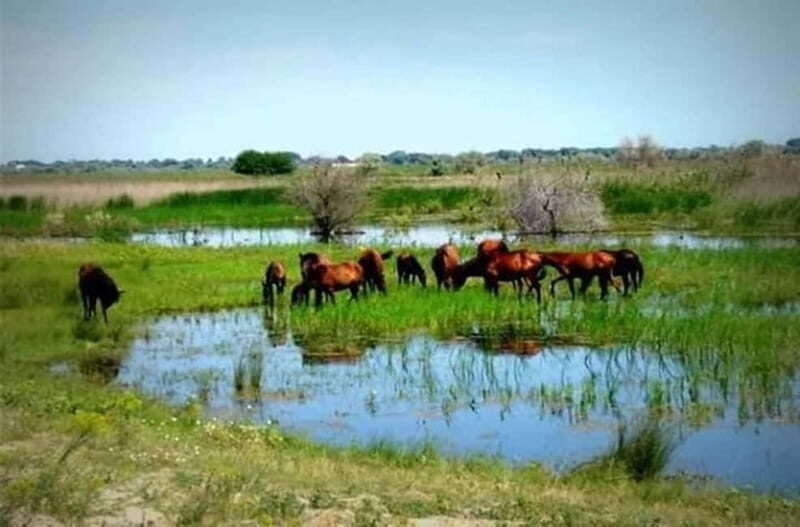
- Wild horses in their habitat: you’re in their world, not behind bars.
- A guided forest walk: learn what grows here and why the Letea ecosystem matters.
- Mud-brick Letea Village: reed-roof houses and everyday local life, not a staged stop.
- Boat time on Danube Delta canals: birds, water lilies, and reeds show up more than you’d think.
- Optional local lunch: fresh fish and polenta options exist, but you need to plan ahead.
From Sulina Port to Letea: Danube Delta on the move
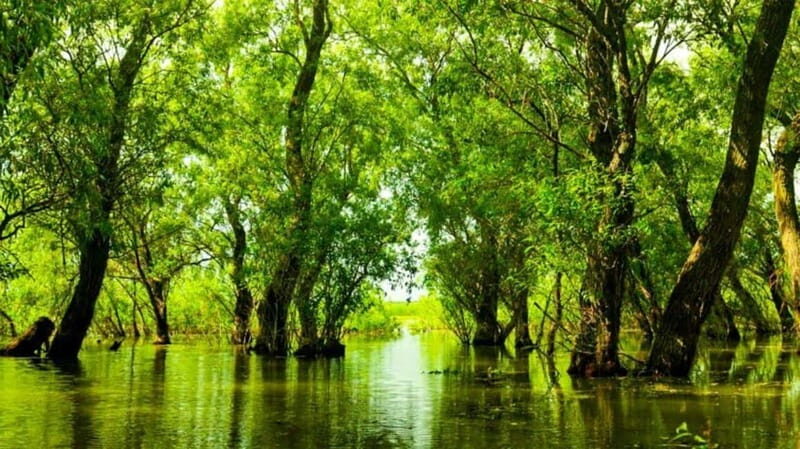
The day starts with meeting your guide in Sulina, then heading toward the port area for a fast boat ride. The route takes you through Danube Delta canals, where the scenery is mostly water, reeds, and low vegetation. It sounds simple, but it’s the kind of place where the details matter: birds you’d never spot inland, water-lily leaves floating near the surface, and that constant reed-lined geography that makes the delta feel alive even when it’s quiet.
One nice thing about doing this by boat first is that it sets your expectations. The Danube Delta isn’t a single big view. It’s a web of channels, and you’ll feel that from the start. In one case I read, the boat portion focused more on larger water routes than the narrower, tree-lined canals some people expect from photos. So if you’re dreaming of sailing between walls of branches, keep your mind open: you might get broader river-style cruising, plus smaller canal stops later if time allows.
You’ll also get your first “nature check” before you step onto land. The guide is there to point out what you’re seeing—especially birds along the way. That makes the boat segment more than just transit, and it helps you spot things faster once you’re on the ground.
You can also read our reviews of more tours and experiences in Sulina.
Letea Forest: dunes, old oaks, and the life of a fragile system
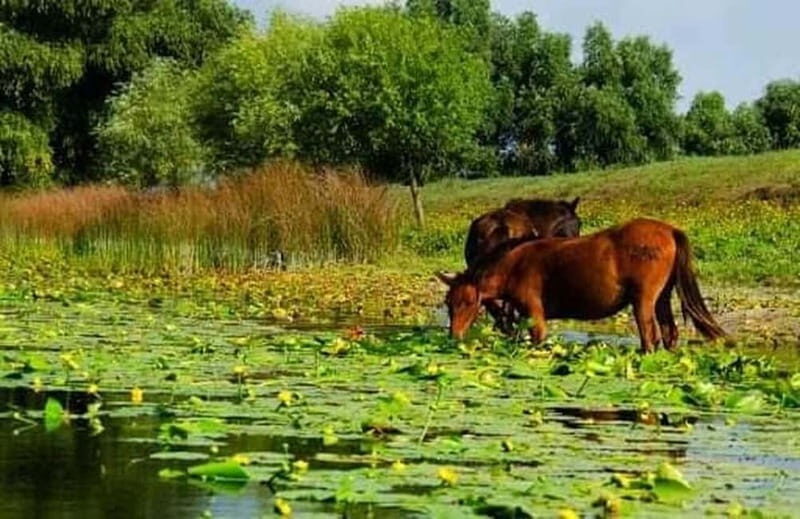
Once you arrive, you move into the forest with a local guide, using a shared vehicle (often a 4×4) or sometimes a traditional cart depending on conditions. Then the real exploring begins on foot. This is where Letea Forest earns its reputation: it has a mix of vegetation types you wouldn’t expect in one place—lianas climbing through greenery, centuries-old oaks, sand dune areas, and other plants described as exotic or unusual for the region.
This matters because Letea isn’t just “pretty nature.” It’s biodiversity in action. Your guide is there to explain how all of this hangs together and why the area’s ecological importance is taken seriously. You’ll hear how plants survive, how the forest relates to the surrounding delta environment, and what makes this ecosystem different from the more typical flat wetlands people imagine.
A practical note: one review described the forest as noticeably drier than how it looks in posted photos. That can happen when seasons and local conditions shift. If that’s your worry, the best way to protect your enjoyment is to think of this as a guided lesson in a real environment, not a photo shoot. The guide can still help you see birds and plant details even if the vegetation is not as lush as you hoped.
During the walk, keep your eyes on the small stuff. Bring a camera, but don’t forget sunscreen and water—forest shade can be welcome, then you get exposed again near open dune or sand areas. And follow the simple rules: don’t touch plants and don’t litter. It’s not just etiquette; in fragile ecosystems, small actions really add up.
Wild horses: calm viewing at forest edges
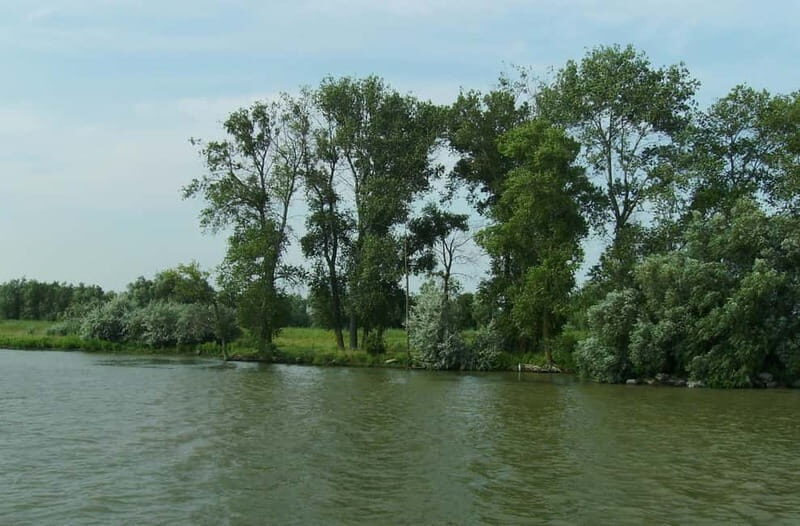
The wild horses are the headline, and they’re also the part that can make you rethink what you want from a day trip. Here, you’re not going to a controlled paddock. You’re seeing horses in their natural habitat.
Expect a stop near the designated area or at the edge of the forest. Your guide is there to manage movement and keep viewing respectful. The goal is to watch without disturbing them, and that’s a big reason this experience feels different from a typical animal attraction. If you’re paying attention, you’ll notice how the horses occupy the landscape—moving when they feel like it, standing where the terrain suits them, and blending into the environment rather than performing for anyone.
Health and comfort matter here. The tour isn’t listed as suitable for people with animal allergies, and it’s also not for everyone in terms of mobility, pregnancy, or young children. If that applies to you, skip this one. Horses are the whole point, and the best version of this day is the one where you’re comfortable enough to slow down and really observe.
If you get lucky with timing, the horses can be active enough to feel exciting but not frantic. That balance is the sweet spot: you’re seeing behavior, not chaos.
Optional lunch in Letea: fish, polenta, and local cooking
Lunch is optional, not included in the base price. If you want it, it’s typically traditional fish and polenta, and there’s also mention of fish soup. The key detail is planning: you need advance notice if you want the lunch prepared by locals.
Here’s why this is worth considering. You’re in Letea Village after the forest section, and this is one of the few chances on the tour where the food connects directly to local life rather than being a generic meal stop. One account I saw called the lunch in Letea excellent, especially the fish-and-polenta style preparation. Even if you don’t get exactly the same menu day to day, the vibe is consistent: fresh, simple Delta food.
If you choose lunch, expect a bit of waiting and a slower pace. That’s not a downside; it’s part of how this community shares food and stories. But you should be ready for it: bring a little patience, and don’t rely on lunch as a quick refill between faster attractions.
If you don’t want lunch, you’ll still have time in the village and the boat ride afterward. Just be sure you’ve had enough water and snacks to get through the forest walk.
Letea Village: mud-brick houses, reed roofs, and real conversation
After lunch (if you choose it) you walk through Letea Village. This is the human side of the day, and it’s one reason the trip feels more grounded than a pure wildlife outing.
Look for the mud-brick houses with reed roofs—an architecture shaped by the delta itself. It’s practical building in a place where materials and weather patterns drive decisions. As you stroll, you’ll get a chance to interact with locals and understand how people live with the delta, not just beside it.
This is also where you can shop thoughtfully. Souvenirs you might find include acacia honey, reed crafts, and handmade items. The most practical advice: if something catches your eye, ask what it is and how it’s made. You’re more likely to buy something you truly value instead of just grabbing a token because it’s offered.
One more small tip: keep your pace slow in the village. The best moments come when you stop walking long enough to look closely at doors, roofs, and everyday details, and when you’re comfortable saying a few words even if your Romanian is basic. This is exactly the kind of place where a friendly effort goes farther than perfect language.
The boat ride back: birds on the smaller channels
You return to Sulina by boat after the forest and village sections. The second boat segment often feels calmer than the morning ride because you’ve already “done the hard part” on land. You get another chance to admire delta scenery, and if time allows, the plan includes a short stop on smaller canals or at a small island for more birds.
That optional bird stop is a nice bonus because it keeps the day from feeling like a single loop. Even if you already spotted birds earlier, this can add variety—different angles, different species, and just that sense of moving through multiple micro-environments.
In one review I came across, the participant expected more sailing between trees and waterside vegetation, but the actual boat travel leaned more toward the main waterway. Still, the overall boat portion is one of the highlights for most people because it gives you perspective on how huge the delta is, even in a short time frame.
Price and value: what you pay, what’s extra, and how to budget
The headline price is listed around $50 per person, and the duration is about 5.5 hours. That price matters, but so do the extras and the required overnight.
Here’s what to budget for in a realistic way:
- Forest entrance fee: 7 EUR per person, paid in cash at the entrance.
- Optional lunch: 20 EUR per person, prepared by locals, with advance notice required.
- Accommodation: you need 1 night in Sulina (or Crisan). This isn’t optional.
That overnight requirement is the big “hidden” cost in terms of planning, even if it’s handled by the tour package you book. So before you compare prices with other day trips, check whether your offer includes that night and how it’s organized.
Also watch your total transport cost if you’re not already in Sulina. One account described having to arrange their own boat transfer from Tulcea to Sulina on top of the tour, at about 100 Lei one-way per person. That’s not guaranteed for every itinerary, but it’s a good warning: don’t assume you’re starting from the exact right place unless your booking spells it out for you.
Is it good value? For the right traveler, yes. You’re getting guided forest time, wild horses viewing, a village visit, and multiple boat segments. It’s not a long trip, but it’s a packed day of distinct environments—water, dunes/forest, and village life.
If you’re expecting a perfectly lush, photo-saturated forest or a very specific style of tree-lined cruising, you might feel it’s overpriced. But if you show up for the lived-in reality of the delta and the guide-led learning, the value typically lands better.
Who should book this Letea Forest day trip?
This tour makes the most sense if you:
- Want wild horses as a core experience, not an add-on
- Enjoy guided nature walks where someone points out birds and plants you’d likely miss
- Like cultural stops that are actually part of daily life, like Letea Village houses and reed-roof architecture
- Are comfortable with a mix of boat rides and walking in natural terrain
It’s not a fit for:
- Children under 6
- Pregnant women
- People with mobility impairments
- People with animal allergies
If you’re planning for insects, bring insect repellent. Bring water and comfortable shoes because you’re walking in a forest setting that can include sand/dune areas. A camera is handy for both birds and village details, but sunscreen is just as important as the lens.
And follow the basic rules: don’t litter, and don’t touch plants. The tour’s appeal depends on the place staying healthy.
Quick practical tips to make the day feel smooth
- Wear comfortable shoes with grip. Sand and uneven ground can happen.
- Pack a small day kit: water, sunscreen, insect repellent, camera.
- Take breaks when you can. The day moves, but the best sightings and conversations often happen when you’re not rushing.
- If you want lunch, give the advance notice your operator requests. Waiting until the last minute can mean you miss the option.
Should you book the Sulina: Letea Forest Day Trip?
I’d book it if you want a compact taste of the Danube Delta that includes wildlife, real habitat viewing, and village life in the same day. The combination of guided forest time and wild horse viewing is the main draw, and the best versions of this trip feel like learning how the ecosystem works instead of just checking boxes.
I’d think twice if your priority is a highly lush, always-green forest look from photos, or if you’re specifically expecting a very particular style of boat route (like cruising tightly among trees). Forest conditions can shift, and boat segments can vary.
If you’re flexible, curious, and ready for an active day with a guide who helps you see what matters, this is a strong bet for the Danube Delta experience.
FAQ
How long is the Sulina to Letea Forest day trip?
The duration is 5.5 hours.
How much does the tour cost?
The price is listed as $50 per person.
What is included in the tour price?
It includes shared transportation by boat from Sulina to the Letea Forest, a local guide, shared transportation vehicle in the forest, and a village visit.
What is not included?
The forest entrance fee of 7 EUR per person is not included and is paid in cash at the forest entrance. A traditional lunch prepared by locals is optional and costs 20 EUR per person.
Is lunch included?
Lunch is optional, not included. If you want it, you need to request it in advance.
What are the meeting arrangements?
The meeting point is to be addressed the day before the activity.
Is accommodation required?
Yes. A 1-night accommodation in Sulina or Crisan is compulsory.
What language is the guide?
The live tour guide is available in Romanian and English.
How big is the group?
The group is limited to 10 participants.
What should I bring, and what’s not allowed?
Bring comfortable shoes, camera, sunscreen, water, and insect repellent. Do not litter and do not touch plants.
Can I cancel for a refund?
Free cancellation is available up to 24 hours in advance for a full refund.