REVIEW · BUCHAREST
Best of Romania in 10 Days
Book on Viator →Operated by Rolandia · Bookable on Viator
Romania in 10 days feels like a sprint. Still, this trip makes it a smart one, with a small group (max eight) and an efficient route that hits big sights without turning your days into logistics hell. You’ll ride in comfort, tour with a professional English-speaking guide, and move through a Romania that feels worlds apart from one region to the next.
What I like most is the mix of wow-factor stops and grounded history you can actually understand on the road. The itinerary flows from Wallachian legends to Transylvania’s fortified churches, then lands in Bucharest with context for what you’re seeing. I also appreciate the human touch—one guide named Emil has been highlighted for history, local traditions, jokes, and even smooth driving.
One thing to consider: this is a high-activity route. Days are full, and you’ll spend plenty of time traveling between stops, so it suits folks who like seeing a lot and are fine with a moderate physical pace.
In This Review
- Key highlights you’ll feel fast
- Why this Best of Romania route works (even when you only have 10 days)
- Day 1: Curtea de Argeș Monastery, Transfăgărășan, and Sibiu’s old-town charm
- Curtea de Argeș Monastery: Wallachia’s legend in stone
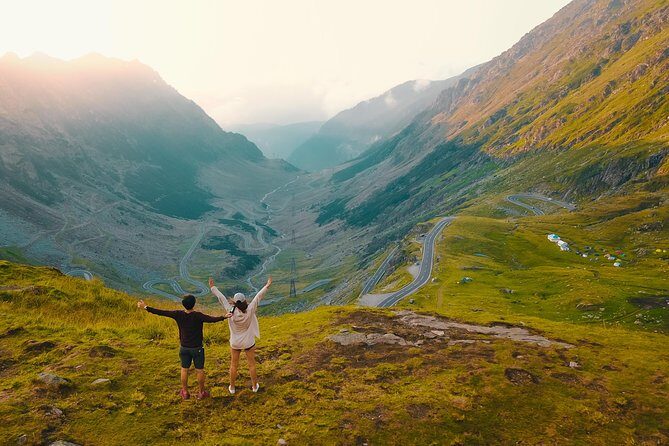
- Transfăgărășan Highway: one of the world’s great road views
- Sibiu’s Historical Center: medieval streets, festival energy
- Day 2: Corvin Castle, Alba Iulia fortress, Turda Salt Mine, then Cluj-Napoca
- Castelul Corvinilor (Hunyad Castle): dramatic stone and strong storytelling
- Alba Iulia’s Alba Carolina Fortress: Union of Transylvania to Romania
- Salina Turda: the salt mine that turns into a whole world
- Cluj-Napoca Old Town time: cafés and bohemian energy
- Days 3–4: Bucovina’s UNESCO Painted Monasteries and the pull of Iași
- Bistrita stop: Bran Stoker’s shadow in the foothills
- Voronet Monastery: the famous Blue of Voronet
- Moldovita and Sucevita: more monasteries, different visual moods
- Iași’s historic center: city energy instead of only religious sites
- Day 5–6: Neamt Fortress, a cable car in Piatra Neamt, Red Lake, Corund pottery, and Saxon fortifications
- Neamt Citadel/Fortress: a fortress with a viewpoint feel
- Piatra Neamț: cable car ride before you even see the town
- Bicaz Gorges to Red Lake: unusual color with a natural story
- Corund: pottery and the everyday craft economy
- Biertan and fortified church life: Saxon communities and defense
- Sighișoara: the last inhabited citadel feeling
- Day 7: Viscri fortified church, meeting local cooks, then Brasov’s walking tour
- Viscri: Prince Charles’s interest and the charm of preserved traditions
- Brasov: a city break that still fits the Romania theme
- Day 8: Bran Castle link to Dracula, Pelișor-style royal drama, and back to Bucharest
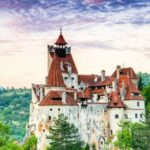
- Bran Castle: Dracula associations and Vlad Tepes context
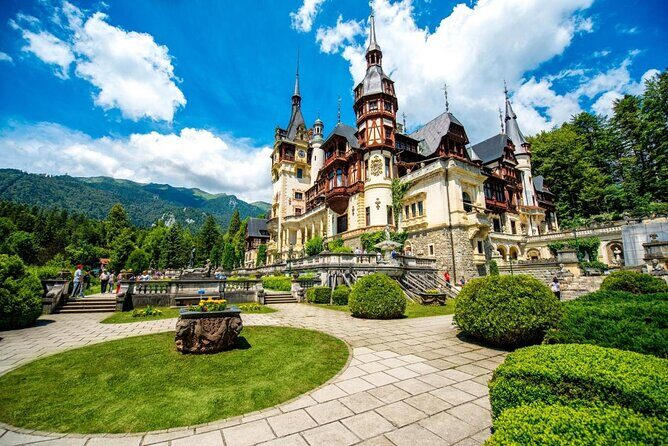
- Pelișor Castle (Peles): the electrified castle with weapons and paintings
- Old Town return: you end with the easy part
- Day 9: Bucharest’s Palace of the Parliament, Old Town lunch time, and the Village Museum
- Palace of the Parliament: People’s House and earthquake/nuclear safety
- Old Town: free time for lunch
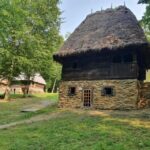
- Village Museum: traditional life, 380 monuments, and 14 hectares of context
- Day 10: Airport transfer, and what “10 days” really means on the ground
- Price and value: where the money goes on this $2,907.69 per person trip
- Who this tour fits best (and who might want something calmer)
- Should you book Best of Romania in 10 Days?
- FAQ
- What is the group size for this tour?
- Where does the tour start, and what time do you begin?
- Do they pick you up from your hotel in Bucharest?
- What’s included in the price?
- Is the tour available in English?
- If I’m traveling alone, is a single room possible?
- Is there free cancellation?
- Do I need high fitness for the tour?
Key highlights you’ll feel fast
- Max 8 travelers: easier questions, calmer tours, and less waiting.
- Nine nights in centrally located hotels: you sleep well instead of playing hotel roulette.
- Transfăgărășan and mountain roads: big scenery without needing to drive yourself.
- UNESCO Painted Monasteries + fortified churches: two different kinds of Romanian heritage, both memorable.
- Bucharest done right: Parliament, Old Town time, and the Village Museum in one day.
Why this Best of Romania route works (even when you only have 10 days)
If you’re visiting Romania for the first time and you’re short on time, the biggest challenge is not the sights—it’s the travel days. This tour tackles that head-on with an efficient plan that groups regions together: Wallachia to Sibiu, Transylvania to Bucovina, then back to Bucharest.
The other advantage is pacing with structure. You’re not left figuring out what order to see things in. Stops come with planned time blocks (many are about an hour), so you get enough time to appreciate a site without feeling stuck in a long museum slog. The “small group” limit helps here too. Fewer people means smoother check-ins and quicker “follow me” movement through older city centers.
Now, the tradeoff is simple: you can’t do a relaxed vacation on a route like this. If you want slow mornings, lots of independent wandering, and fewer buses, you may find the schedule intense. But if your goal is to see Romania’s best across regions, this is the kind of trip that gets you there.
You can also read our reviews of more tours and experiences in Bucharest.
Day 1: Curtea de Argeș Monastery, Transfăgărășan, and Sibiu’s old-town charm
You start with hotel pickup in Bucharest and a morning departure. From there, the day is built for contrast: legend-heavy history first, then sheer mountain road drama, then the feel of an old European city.
Curtea de Argeș Monastery: Wallachia’s legend in stone
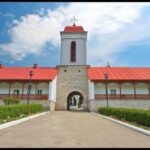
Your first major stop is Curtea de Argeș Monastery, built between 1512 and 1517. What grabs you here is that it isn’t just a pretty building. It’s wrapped in the Romanian myth of Manole—the idea that creating something everlasting requires sacrifice. On top of that, it’s tied to Romania’s royal past since it’s the resting place for members of the Royal House of Romania.
If you like understanding a place’s “why,” this is a strong start. It gives you cultural grounding before the scenery speeds up.
Transfăgărășan Highway: one of the world’s great road views
Next comes the Transfăgărășan Highway, passing through the Southern Carpathians and climbing into the Făgăraș Mountains, reaching heights of 2,042 meters. You get about an hour on the road segment built for photos and views, which is honestly the best kind of stop: you can pause, look, and take in the scale without feeling rushed through a ticket line maze.
Practical note: mountain roads can mean weather changes. Bring a layer even in warmer months.
Sibiu’s Historical Center: medieval streets, festival energy
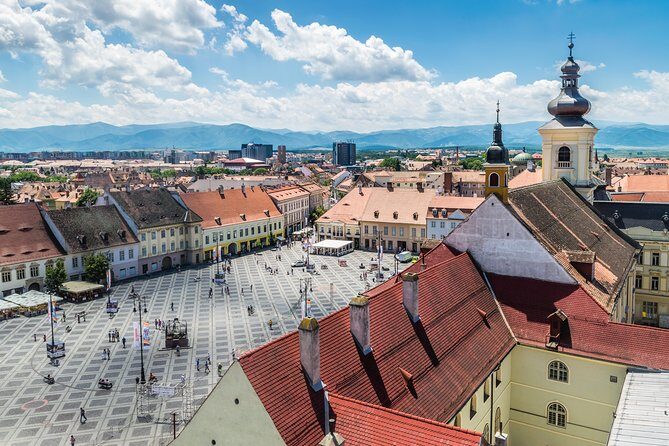
The day ends in Sibiu, walking through the Historical Center and finishing with a hotel check-in. Sibiu has a habit of working in any season. In summer it’s known for an International Theatre Festival vibe, and in winter it’s famous for an impressive Christmas Market.
For your day-to-day enjoyment, Sibiu is a great landing spot because it’s walkable. After a long drive, you’re not just stuck in a city hotel parking lot—you get medieval streets and a real atmosphere.
Day 2: Corvin Castle, Alba Iulia fortress, Turda Salt Mine, then Cluj-Napoca
Day two feels like a “Romania in layers” lesson. You start with castles, shift to a major political event site, then go underground for one of the most unusual attractions in the country. The day ends with a city that’s young, student-friendly, and full of café time.
Castelul Corvinilor (Hunyad Castle): dramatic stone and strong storytelling
In Hunedoara, you tour Castelul Corvinilor, also known as Hunyad Castle. It’s one of the largest castles in Romania and strongly associated with John Hunyadi (hence the Hunyad name). This is the kind of stop that helps you picture medieval power and defense without needing a separate textbook.
If you like architecture, you’ll likely enjoy how the castle’s charm isn’t only about size—it’s about presence.
Alba Iulia’s Alba Carolina Fortress: Union of Transylvania to Romania
Next is Alba Iulia, tied to one of Romania’s biggest historical moments: the Union of Transylvania with Romania. You’ll visit Alba Carolina Fortress built between 1715 and 1738 in Vauban style, with the work done by more than 20,000 Romanian peasants.
This isn’t just a “stand and look” stop. It’s built to give you context for modern Romania’s national story, which helps when you later see how that story appears in monuments, museums, and public spaces.
Salina Turda: the salt mine that turns into a whole world
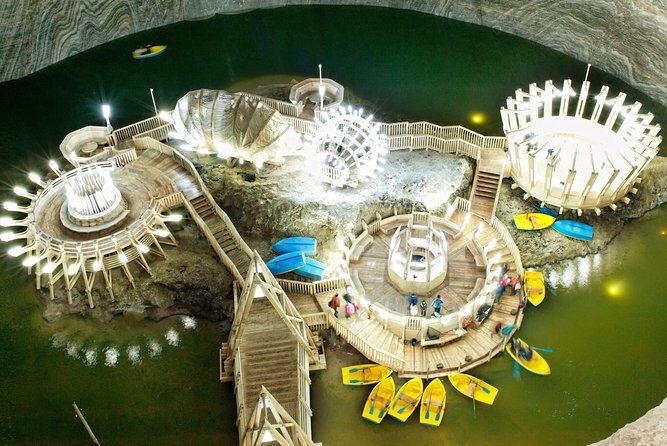
Then the tour heads to Salina Turda Salt Mine near Turda. This place is hard to classify the first time you hear it. It has 13 underground floors and also includes a theme-park style area: a Ferris wheel, mini-golf course, tennis court, and a lake.
This is a major value add. You’re not just ticking off a unique site; you’re getting an attraction that keeps your interest even if you’re “monumented out.”
Cluj-Napoca Old Town time: cafés and bohemian energy
At day’s end you reach Cluj-Napoca, Romania’s largest city in Transylvania and a major student hub. After a walking tour through the Old City Center, you get free time to explore local cafés and bohemian restaurants near the hotel.
This stop matters because it gives you breathing room. After castles and fortresses, a free food-and-walk window helps the day feel human again.
Days 3–4: Bucovina’s UNESCO Painted Monasteries and the pull of Iași
Two days focus on Bucovina and Moldavia’s cultural heart, with monasteries that look almost unreal. It’s also one of the best parts of the itinerary because it slows down visually even if the schedule doesn’t slow down.
Bistrita stop: Bran Stoker’s shadow in the foothills
On your way toward Bucovina, you stop in Bistrita. The tour includes a stop at the National Centre for Information and Tourism Promotion and a short sightseeing piece. You’ll also hear the literary connection: Bram Stoker’s character Jonathan Harker is linked to this region as a prior stop before meeting Dracula.
It’s a small stop, but it’s a fun “how stories travel” moment—especially if you’ve ever read Dracula and wondered where the fictional thread might hook into real places.
Voronet Monastery: the famous Blue of Voronet
In Bucovina, your first big UNESCO site is Manastirea Voronet. Built in 1488, it’s one of the 8 UNESCO Painted Monasteries of Bucovina. The standout is its unique shade of blue, known as the Blue of Voronet.
This is one of those places where you’ll want to look up at the painted surfaces and also watch how the light hits them. The color isn’t just pretty—it helps you understand how communities used art to express faith and identity.
Evening brings you to the hotel and a traditional Romanian dinner.
Moldovita and Sucevita: more monasteries, different visual moods
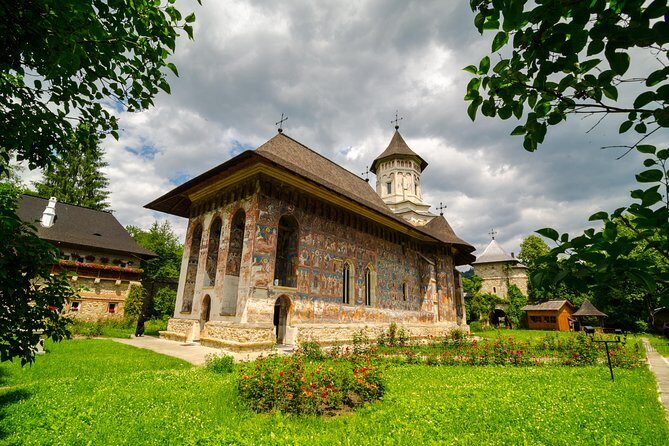
Day 4 continues with Moldovita Monastery, built between 1532 and 1537 and listed as UNESCO since 1993. Then you move on to Sucevita Monastery, built in 1585, tied to local legend about materials carried by a woman using only an ox-pulled cart.
These two stops are valuable because they show you variety within a “same region” theme. You’re not repeating the exact same architecture lesson twice.
Iași’s historic center: city energy instead of only religious sites
By evening you arrive in Iași, Romania’s second-largest city and birthplace of many Romanian personalities. After a short city tour, you check in at the hotel.
Even if you don’t go deep into museums, this part of the itinerary helps you remember you’re traveling through living places, not only heritage sites.
Day 5–6: Neamt Fortress, a cable car in Piatra Neamt, Red Lake, Corund pottery, and Saxon fortifications
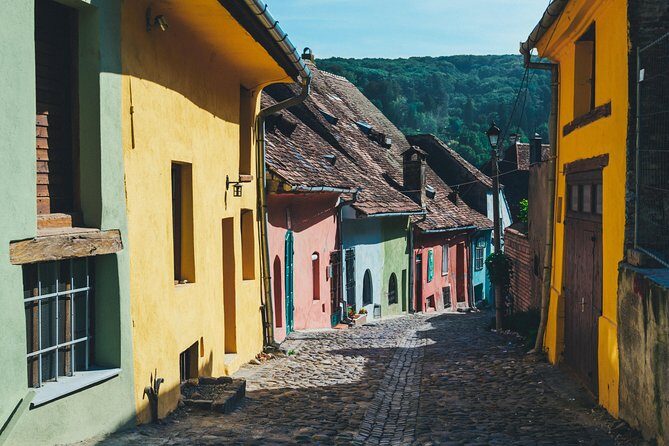
This section turns the dial from cultural art to dramatic terrain and then back to heritage villages.
Neamt Citadel/Fortress: a fortress with a viewpoint feel
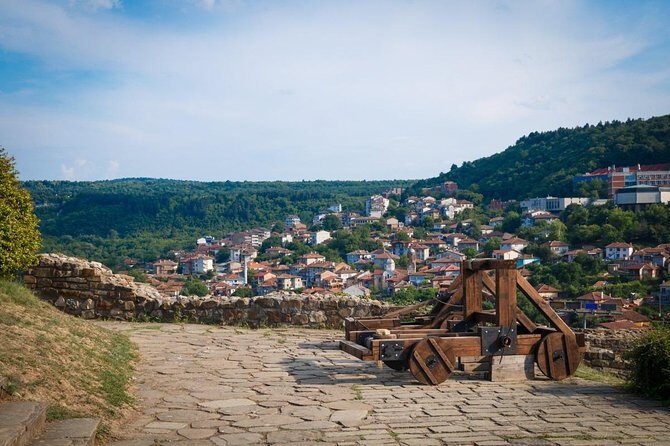
From Iași, you head to Târgu Neamț for Neamt Citadel (Neamt Fortress), built during Peter I’s reign (1375–1391). It’s included as a guided stop, around an hour—enough time to get the structure and the story without rushing.
Piatra Neamț: cable car ride before you even see the town
Next is Piatra Neamț. You’ll take a cable car ride before checking in. The ride itself is the kind of “Romania breaks” you need inside a packed trip: a chance for views and fresh air before the day turns into more touring.
Bicaz Gorges to Red Lake: unusual color with a natural story
On day 6, you travel toward Transylvania via Bicaz Gorges and arrive at Red Lake. The story is geological: in 1837 heavy storms fractured Mt. Ucigasu, blocking streams, and reddish river deposits led locals to name it for the color.
This stop is short but memorable because it shows how nature can create something that looks almost painted.
Corund: pottery and the everyday craft economy
You then reach Corund, one of Transylvania’s main pottery centers. The tour connects pottery to local clay extraction from a nearby stream, plus woodworking and trade. It’s a “craft with a supply chain” stop, not a souvenir factory pitch.
Biertan and fortified church life: Saxon communities and defense
Next comes Biertan Fortified Church, a UNESCO Village with Fortified Churches of Transylvania. You learn that Saxon colonists settled here starting in the 13th century due to soil suited to winemaking. Fortified churches weren’t only about worship—they were community protection.
If you like your history to have a practical edge, this stop does it well.
Sighișoara: the last inhabited citadel feeling
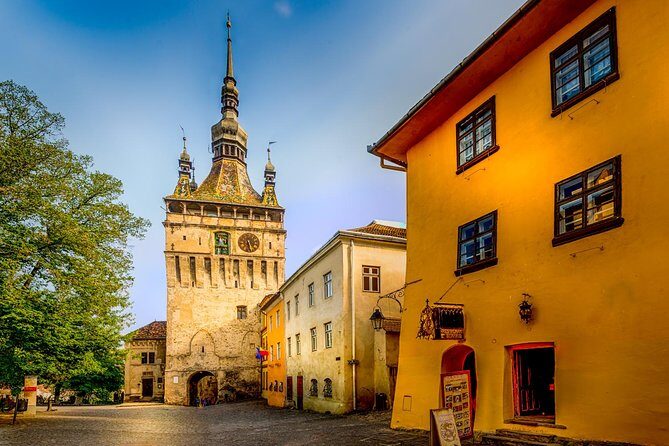
The day ends in Sighișoara, described as the last inhabited citadel in Europe. It was built by Saxon colonists in the 12th century and is UNESCO-listed. This is a great place to spend evening energy because you can feel how “citadel living” differs from just touring ruins.
Day 7: Viscri fortified church, meeting local cooks, then Brasov’s walking tour
Day 7 keeps you in UNESCO village territory, then shifts to a bigger city for an easier feel.
Viscri: Prince Charles’s interest and the charm of preserved traditions
You visit Viscri, a village tied to Prince Charles for his interest in the area and the locals’ preserved traditions. Part of the tour includes meeting women known in the region for their culinary skills, then visiting Viscri Church.
This is one of those itinerary pieces that can turn into a highlight if you’re curious about how people live, cook, and keep traditions going when tourism flows around them.
Brasov: a city break that still fits the Romania theme
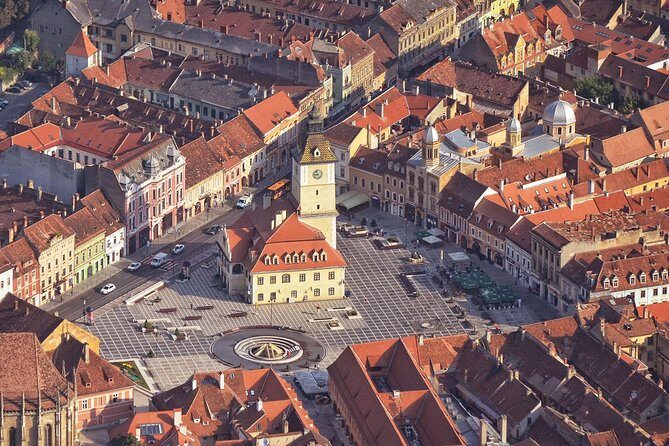
Then you reach Brașov for a short walking tour. Brasov is widely seen as one of central Romania’s most beautiful cities, and even with limited time, you get the basics: old streets, city vibe, and a good base for the next day’s big-ticket castles.
Day 8: Bran Castle link to Dracula, Pelișor-style royal drama, and back to Bucharest
This is your “myth meets monarchy” day—two major sites tied to story and power, then a return to the capital.
Bran Castle: Dracula associations and Vlad Tepes context
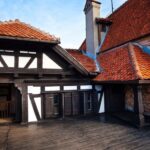
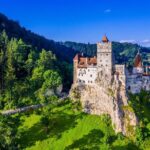
You go to Bran Castle in Bran village, about 30 minutes from Brasov. It’s famous as Dracula’s Castle, largely because of Bram Stoker’s Dracula. The tour also focuses on history around Vlad the Impaler and the connection between Vlad Tepes and the Dracula story.
Even if you’re not a Dracula superfan, this stop works because it’s also about what castles meant—territory, protection, and symbols of rule.
Pelișor Castle (Peles): the electrified castle with weapons and paintings
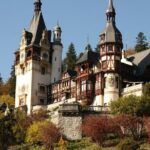
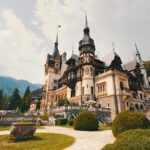
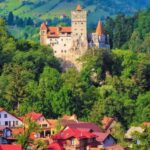
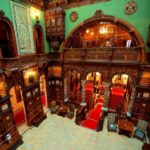
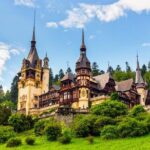
Next is Pelișor Castle in Sinaia, described as the first fully electrified castle in Europe. It includes details like the castle covering 3,200 square meters, with 160 rooms and over 30 bathrooms. You’ll also hear about a major collection of paintings and a weapons collection of over 4,000 European and Oriental pieces.
This is one of the most “wow in details” stops on the route. If you like collections and craftsmanship, you’ll probably enjoy how specific the castle’s features are.
Old Town return: you end with the easy part
At night you return to Bucharest. The tour lists an Old Town stop free of tickets, which is helpful because you’ll likely want dinner and a final stroll without a strict schedule.
Day 9: Bucharest’s Palace of the Parliament, Old Town lunch time, and the Village Museum
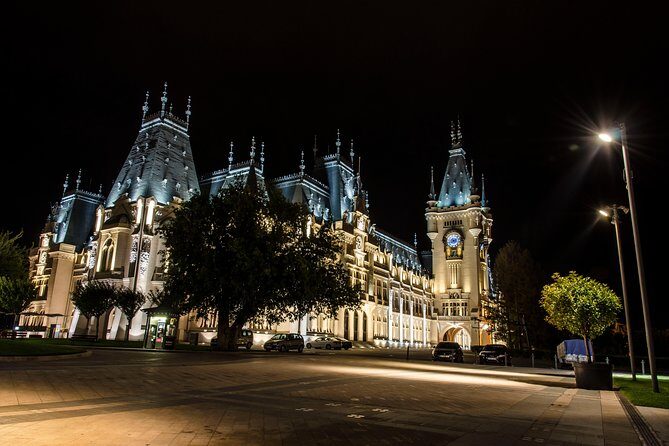
Now you get to see why Bucharest gets a reputation for bigger-than-life public spaces.
Palace of the Parliament: People’s House and earthquake/nuclear safety
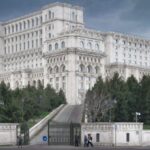
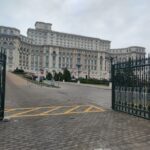
Your full-day city tour starts at the Palace of the Parliament, described as the second-largest building in the world. It’s also known as the People’s House, tied to Nicolae Ceaușescu’s communist-era project. The building was meant to house the state’s organs and designed as a safe house that can withstand earthquakes and nuclear attacks.
It can feel heavy. That’s normal. The best way to enjoy it is to go with curiosity: look at scale, think about politics, and connect the building to the city’s overall architecture mood.
Old Town: free time for lunch
After the Palace, you head to Bucharest’s Old Town for free time to have lunch.
This portion matters because you’ll be tired of being “on,” and a lunch pause helps you recover while still staying within the tour’s framework.
Village Museum: traditional life, 380 monuments, and 14 hectares of context
Your final stop is Bucharest Village Museum, opened in 1936. It covers 14 hectares and includes 380 monuments, 60,000 traditional objects, and over 250,000 archived documents related to traditional Romanian life.
This is a great closer because it gives you a broader cultural lens. Even if you’ve seen a lot of castles and churches, here you get the everyday Romanian angle—homes, objects, and how tradition is preserved.
Day 10: Airport transfer, and what “10 days” really means on the ground
The last day is simple: you’re transferred to the airport according to your flight schedule (with a free airport transfer stop time listed).
What you should know is that a trip like this is built around days that move. If you like traveling by car, watching scenery change, and using the ride time productively, you’ll feel happy with the flow. If you dislike long days in transit, you’ll feel it most on the “bridge” days—those that connect regions.
A smart move before you go: pack for layers and bring a water bottle you can refill when possible. Also, plan for the fact that some days are mostly “get in, see, move on.”
Price and value: where the money goes on this $2,907.69 per person trip
At $2,907.69 per person (based on sharing a double room), the price isn’t cheap. But it’s not a random number either. This is a package style deal: nine nights of centrally located accommodation, transportation in a modern vehicle, professional English-speaking guide, airport pickup and drop-off, and entrance fees are included. You also get breakfast (9), plus dinner is included as part of the offer.
Value-wise, you’re paying to remove the most annoying parts of travel planning: deciding routes, booking tickets for multiple UNESCO sites, coordinating transport across regions, and managing many city arrivals. That’s why the group size matters—your money buys organization, not just scenery.
Two more practical points:
- Single room travelers pay a single supplement, so sharing can keep costs lower.
- Because the itinerary includes entrance fees, you’re less likely to have surprise add-ons once you’re on the road.
If you’re comfortable with a packed schedule and you want a guided “greatest hits” path across Romania, this can be a good way to spend money where it saves effort.
Who this tour fits best (and who might want something calmer)
This trip is best for you if:
- You want Romania across regions in one go rather than picking one area.
- You enjoy guided history and don’t mind quick stops that still cover the essentials.
- You like small groups and prefer questions over crowd control.
It may feel wrong if:
- You want a slow travel pace with lots of private time.
- You hate bus days and would rather travel by yourself at your own speed.
- You’re not comfortable with a moderate physical level for walking and tours.
The upside is the group cap. It keeps the experience more personal than big coach travel.
Should you book Best of Romania in 10 Days?
If your goal is to see Wallachia, Transylvania, Bucovina, and Bucharest without spending your vacation researching tickets and routes, I’d seriously consider booking. The strengths are clear: max eight people, English guidance, entrance fees included, and a route that hits iconic UNESCO sites plus the big-mountain-road moment.
I’d hold off if you know you’re the type who needs long unstructured mornings. This isn’t that. It’s a “see it all” plan, with plenty of moving days.
One final tip: if you have a personal reason for returning to Romania, this kind of route can feel especially meaningful because it connects myth, national history, and everyday tradition in a single arc.
FAQ
What is the group size for this tour?
The tour has a maximum of 8 travelers.
Where does the tour start, and what time do you begin?
The start time is 9:00 am, with hotel pickup in Bucharest.
Do they pick you up from your hotel in Bucharest?
Yes. Pickup is offered from any hotel in Bucharest.
What’s included in the price?
Included are 9 nights of accommodation, professional English-speaking guide, modern vehicle transportation, airport pickup/drop-off, entrance fees, dinner, and breakfast (9). Group discounts and a mobile ticket are also part of the offering.
Is the tour available in English?
Yes, it is offered in English.
If I’m traveling alone, is a single room possible?
Yes, but you would need to pay a single supplement if you want a single room.
Is there free cancellation?
You can cancel up to 24 hours in advance for a full refund.
Do I need high fitness for the tour?
The tour notes that travelers should have a moderate physical fitness level.